
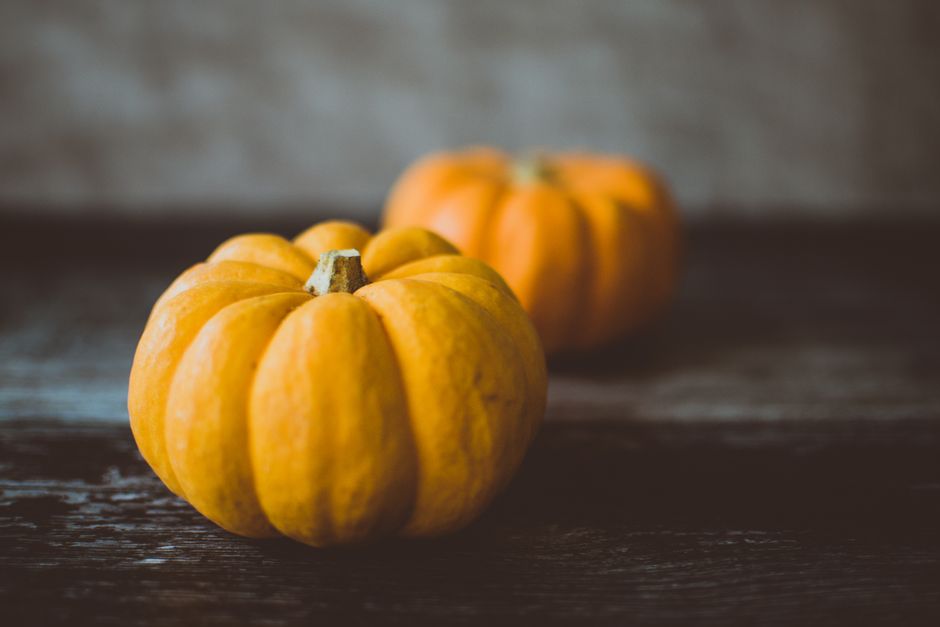
A fuzzy white or green coating on a pumpkin is mold, and it can be dangerous. Some molds that grow on pumpkins and other squash produce mycotoxins, which are toxic compounds that can cause illness in humans and pets. The risk depends on the type of mold, how much was consumed, and whether the person or animal is vulnerable. For most healthy adults who accidentally taste a small amount, serious harm is unlikely. For pets, young children, older adults, and anyone with a weakened immune system, the risk is higher and the safest choice is to avoid the moldy pumpkin entirely.
Is Pumpkin Mold Dangerous Risks To Humans And Pets?
The short answer is yes, it can be. Mold on a pumpkin is not just a surface problem. The fuzzy growth you see is the visible part of a fungus. Below that surface, thread-like structures called hyphae can extend into the flesh of the pumpkin. These threads can carry mycotoxins, which are chemical compounds some molds produce.
Not every mold makes toxins. Many common molds that grow on spoiled food are harmless in small amounts. But some, including certain species of Aspergillus, Penicillium, and Fusarium, can produce mycotoxins that cause illness. You cannot tell by looking whether a mold is a toxin producer. Two molds that look identical can be completely different species.
This is why the standard food safety guidance is simple: if a food is moldy, throw it out. For soft foods like pumpkin, that guidance applies fully. The mold’s threads and any toxins can spread well beyond the visible fuzzy patch.
What Happens If a Person Eats Moldy Pumpkin?
Most healthy adults who accidentally eat a small amount of moldy pumpkin will not get seriously ill. The body’s immune system and digestive tract handle many molds without a problem. Symptoms, when they occur, are usually mild and short-lived.
Possible reactions include nausea, stomach cramping, vomiting, or diarrhea. These usually appear within hours and resolve on their own. Some people may have an allergic reaction to mold spores, which can cause sneezing, runny nose, or itchy eyes if spores are inhaled rather than eaten.
The more serious concern is mycotoxins. If a person eats a larger amount of moldy pumpkin, or eats it repeatedly, toxin exposure becomes more likely. Mycotoxins can affect the liver, kidneys, and digestive system. The specific effects depend on the toxin and the amount consumed.
Certain groups face higher risk:
- Young children, whose smaller body weight means a given dose has a larger effect
- Older adults
- Pregnant women
- People with weakened immune systems from illness or medication
- People with existing liver or kidney conditions
If someone eats moldy pumpkin and develops persistent vomiting, abdominal pain, or other concerning symptoms, they should contact a healthcare provider or a poison control center. For a suspected poisoning emergency in the US, Poison Control can be reached at 1-800-222-1222.
Can Moldy Pumpkin Make Dogs and Cats Sick?
Yes, and pets may be at higher risk than people for a specific reason. Pets are more likely to eat a moldy pumpkin in larger amounts, and their body weight is much lower. A dose that would be minor for a 150-pound adult could be significant for a 15-pound dog.
There is a particular concern with pumpkins that have been sitting out, especially carved jack-o’-lanterns. As a pumpkin breaks down, it becomes an ideal environment for mold and, in some cases, for bacteria. A pet that eats a rotting pumpkin could take in both mold and harmful bacteria.
Signs that a pet may have eaten something toxic include:
- Vomiting, sometimes repeatedly
- Diarrhea
- Loss of appetite
- Lethargy or weakness
- Tremors or unsteady movement
- Excessive drooling
Some mycotoxins cause neurological signs in animals, including tremors and seizures. This is a known concern with moldy foods in general, not only pumpkins. If a pet shows any of these signs after eating moldy pumpkin, contact a veterinarian or an animal poison control service right away. Do not wait for symptoms to pass on their own.
Pumpkin flesh itself, when fresh and plain, is generally considered safe for dogs and cats in small amounts. The danger comes from the mold and from spoilage, not from the pumpkin.


Does Cooking or Baking Kill Pumpkin Mold?
Heat can kill mold, but it does not reliably remove mycotoxins. This is a key point that surprises many people. Cooking a moldy pumpkin may destroy the living fungus, but the toxins it already produced can survive high temperatures.
For this reason, you cannot make a moldy pumpkin safe by cooking, baking, or roasting it. The same applies to making pumpkin puree or pumpkin pie from a moldy pumpkin. The toxin, if present, remains.
Cutting off the moldy part does not solve the problem either. Because mold threads can reach into the flesh beyond the visible surface, the safe-looking part may already be contaminated. For firm, hard foods like hard cheese or carrots, trimming a small moldy area can sometimes be acceptable. Pumpkin is a soft, high-moisture food, and the guidance for soft foods is to discard the whole thing.
How Can You Tell If a Pumpkin Is Moldy or Just Aging?
A pumpkin can look unappealing without being moldy. Knowing the difference helps you decide what to do.
| Sign | What it usually means |
|---|---|
| White, green, or blue fuzzy patches | Mold growth |
| Soft, sunken, or mushy spots | Decay, often with mold present |
| Slimy or wet surface | Bacterial or fungal breakdown |
| Sour or musty smell | Spoilage |
| Dull color, dry skin, no soft spots | Normal aging, not necessarily mold |
A pumpkin that is simply old and slightly dull but firm and dry is not the same as a moldy one. Once you see fuzzy growth, soft mushy areas, or a musty smell, treat it as spoiled.
One detail worth knowing: the white powdery coating sometimes seen on pumpkin leaves in a garden is often powdery mildew, a common plant disease. It is not the same as the mold that spoils a harvested pumpkin, though both are fungal. Powdery mildew on the plant is a garden concern, not a food safety one for the pumpkin fruit itself.
How Should You Handle and Store Pumpkins to Prevent Mold?
Prevention comes down to keeping the pumpkin dry, cool, and undamaged. Mold needs moisture and a way in. Cuts, bruises, and cracks give it that opening.
Practical steps:
- Store whole pumpkins in a cool, dry place, ideally with good air circulation
- Avoid washing pumpkins until you are ready to use them, since surface moisture encourages mold
- Handle carefully to avoid cuts and bruises
- Keep carved pumpkins outside or in a cool spot, and expect them to spoil faster than whole ones
- Refrigerate cut pumpkin and use it within a few days
- Discard any pumpkin once mold, mushiness, or a musty smell appears
Carved pumpkins break down quickly because the cut surfaces expose the moist interior. A carved jack-o’-lantern may start to mold within days, especially in warm weather. This matters for households with pets, since a rotting carved pumpkin on a porch or step is easy for a dog to reach.
What About Canned Pumpkin and Pumpkin Puree?
Commercially canned pumpkin is processed to be shelf-stable and is not a mold concern when the can is intact and undamaged. Once opened, it should be refrigerated and used within a few days, following the storage guidance on the label.
Homemade pumpkin puree is a different situation. If it was made from a moldy pumpkin, it should be discarded, because as noted, cooking does not remove mycotoxins. If it was made from a sound pumpkin and stored properly, it should be treated like any fresh perishable food and used promptly.
Signs that opened canned or homemade puree has gone bad include an off smell, discoloration, or any fuzzy growth. In those cases, throw it out.
The Bottom Line on Pumpkin Mold
Mold on a pumpkin is a real health concern, not just an aesthetic one. Some molds produce mycotoxins that can cause illness, and these toxins are not destroyed by cooking. Pets and vulnerable people face the greatest risk, largely because of lower body weight and weaker immune defenses.
The safest approach is straightforward. If a pumpkin is moldy, soft, or smells off, discard it. Do not try to salvage it by cutting away the mold or cooking it. Keep fresh pumpkins dry and cool, and keep rotting carved pumpkins out of reach of pets. When in doubt, throw it out.
Frequently Asked Questions
Can you get sick from eating moldy pumpkin?
Yes, it is possible. Some molds on pumpkin produce mycotoxins that can cause nausea, vomiting, or diarrhea, and the risk is higher for children, older adults, pregnant women, and people with weakened immune systems.
Is moldy pumpkin safe for dogs?
No, moldy pumpkin is not safe for dogs. Because of their smaller body weight, dogs can be affected by amounts that would be minor for a person, and some mycotoxins cause tremors or seizures.
Does cooking kill mold on pumpkin?
Heat kills the mold itself but does not reliably destroy mycotoxins. A moldy pumpkin stays unsafe even after baking or cooking, so it should be discarded.
Can you just cut off the moldy part of a pumpkin?
No, cutting off the moldy part is not safe for pumpkin. Pumpkin is a soft, moist food, and mold threads and toxins can spread into the flesh beyond the visible fuzzy area.
