
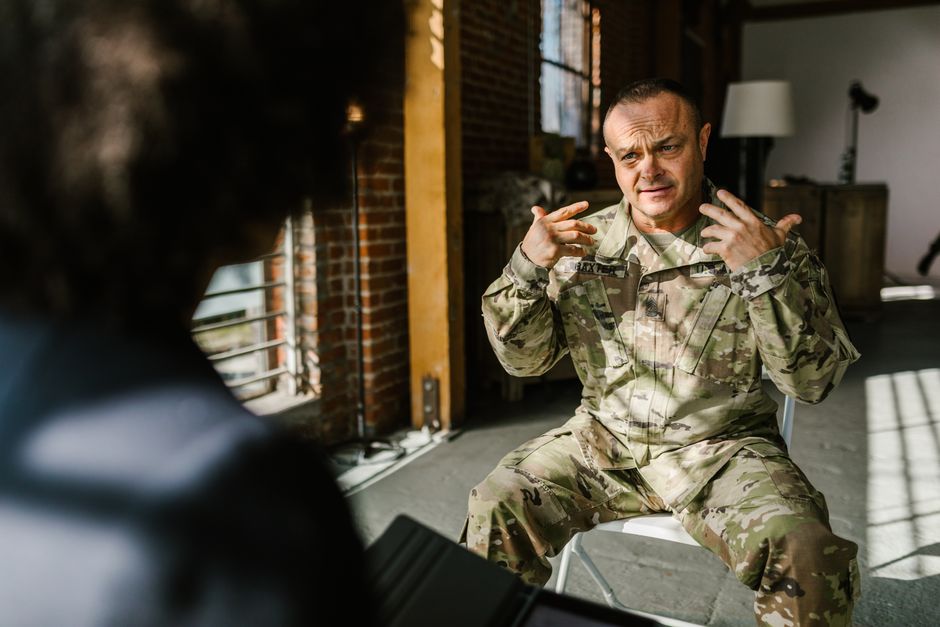
PTSD is not automatically lifelong, but for many people it can last for years without treatment. The course of PTSD varies widely from person to person. Some people recover within months, while others live with symptoms for decades. Recovery is possible at any point, and treatment significantly improves the odds of getting better.
Is PTSD Lifelong How Long It Lasts And Who Recovers?
PTSD can last for months, years, or in some cases decades if left untreated. But “lifelong” is not a guarantee. Research consistently shows that about one-third of people who develop PTSD recover within the first year without formal treatment. Others need more time and professional help.
Who recovers depends on several factors. People with strong social support tend to recover faster. Those who experienced a single traumatic event often have better outcomes than those with repeated trauma. Early treatment matters, but late treatment still works. Recovery is not a straight line, and symptoms can fade and return during stressful periods.
What Determines How Long PTSD Lasts
The duration of PTSD is shaped by the nature of the trauma, personal history, and access to care. A single event like a car accident may produce symptoms that resolve in months. Chronic trauma, such as childhood abuse or combat exposure, often leads to longer-lasting symptoms.
Several factors predict a longer course:
- History of previous trauma or mental health conditions
- Lack of social support after the event
- Ongoing stress or danger in daily life
- Avoidance behaviors that prevent processing the event
- Substance use as a coping strategy
None of these factors guarantee a poor outcome. They simply raise the risk that symptoms will persist. Many people with multiple risk factors still recover with appropriate treatment.
How PTSD Symptoms Change Over Time
PTSD is not a static condition. Symptoms can fluctuate dramatically across a person’s life. Some people experience remission for years and then have symptoms return after a new stressor or a reminder of the original trauma.
The four symptom clusters of PTSD are intrusion, avoidance, changes in thinking and mood, and changes in arousal. Intrusion symptoms include flashbacks and nightmares. Avoidance means steering clear of anything that reminds you of the trauma. Thinking and mood changes include negative beliefs about yourself or the world. Arousal changes show up as hypervigilance, irritability, and trouble sleeping.
These symptoms often improve at different rates. Nightmares and hypervigilance may respond to treatment within weeks. Negative beliefs and emotional numbness often take longer to shift. This uneven progress can make people feel like they are not recovering when they actually are.





What Recovery From PTSD Actually Looks Like
Recovery does not mean forgetting the trauma. It means the trauma no longer controls your daily life. You can think about what happened without being pulled back into reliving it. You can go places and do things that once felt impossible.
Clinicians describe recovery in terms of symptom reduction rather than complete elimination. Many people who recover still have occasional bad days. The difference is that symptoms no longer dominate their lives or prevent them from functioning at work, in relationships, or at home.
Some people experience what researchers call post-traumatic growth. This is not the same as recovery. Post-traumatic growth refers to positive changes that can emerge after struggling with trauma, such as deeper relationships or a stronger sense of personal strength. It is real but not universal, and it is not a requirement for recovery.
Which Treatments Have the Strongest Evidence
Trauma-focused psychotherapies have the strongest evidence for treating PTSD. These treatments directly address the traumatic memory rather than only managing symptoms. Prolonged Exposure therapy helps people gradually approach trauma-related memories and situations they have been avoiding. Cognitive Processing Therapy helps people examine and change unhelpful beliefs that developed after the trauma.
Eye Movement Desensitization and Reprocessing, commonly called EMDR, also has solid research support. It involves recalling the trauma while engaging in bilateral stimulation, typically guided eye movements. Some studies show it works as well as trauma-focused cognitive behavioral therapies, though researchers still debate exactly why it works.
Medication can help, particularly selective serotonin reuptake inhibitors like sertraline and paroxetine. These are FDA-approved for PTSD. Medication is often used alone or combined with therapy. Some people need medication to reduce symptoms enough to engage in therapy at all.
No treatment works for everyone. Some people try multiple approaches before finding one that fits. Treatment dropout rates for PTSD therapies are significant, which is why finding a therapist you trust matters as much as the specific technique used.
Can PTSD Go Away Without Treatment
Yes, some people recover without formal treatment. Studies tracking people after traumatic events show that many who initially meet criteria for PTSD improve on their own within months. This is sometimes called natural recovery.
Natural recovery happens through a combination of social support, time, and the brain’s own processing of the event. Talking with trusted people, returning to normal routines, and gradually confronting reminders of the trauma all contribute. Many people process traumatic events the same way they process difficult experiences, through reflection and connection.
But natural recovery is not something you can force or schedule. It is also not the most reliable path. People who try to simply “get over” PTSD often find their symptoms persist or worsen. Avoidance is a core symptom of PTSD, and it directly blocks the natural processing that leads to recovery.
When PTSD Symptoms Become Chronic
Chronic PTSD is typically defined as symptoms lasting longer than three months. Most people who still meet full criteria for PTSD at the three-month mark are unlikely to recover without intervention. This is why early treatment is encouraged.
Chronic PTSD changes how the brain functions. The amygdala, which processes fear, becomes overactive. The prefrontal cortex, which helps regulate fear responses, becomes underactive. The hippocampus, which helps distinguish past from present, can shrink. These changes reinforce the cycle of hypervigilance and re-experiencing.
The good news is that these brain changes are not permanent. Effective treatment has been shown to normalize activity in these regions. Brain scans of people who complete trauma-focused therapy show reduced amygdala reactivity and improved prefrontal regulation. The brain remains changeable throughout life, a concept called neuroplasticity.
Who Is Most Likely to Recover Fully
Full recovery is most likely for people who receive early, evidence-based treatment and have strong social support. People who experienced a single traumatic event in adulthood generally have better outcomes than those with complex trauma histories starting in childhood.
Recovery also depends on what happens after treatment ends. People who maintain social connections, practice the skills learned in therapy, and allow themselves to feel their emotions without judgment tend to sustain their gains. Relapse is possible, especially after new stressors, but the skills learned in treatment remain available.
Age does not prevent recovery. Older adults with PTSD can improve significantly with treatment, even when symptoms have been present for decades. The brain’s capacity for change does not disappear with age. It may take longer, and treatment may need adjustment, but recovery remains possible.
What If You Have Had PTSD For Years
Having PTSD for years does not mean you are permanently damaged. Many people enter treatment after decades of symptoms and experience meaningful improvement. The therapy may need to be longer or more intensive, but the core treatments remain the same.
Long-standing PTSD often comes with secondary problems that also need attention. Depression, anxiety, substance use, and chronic pain frequently co-occur. Treating PTSD without addressing these issues can limit progress. A thorough assessment that identifies all of these conditions leads to better outcomes.
It is also common for people with long-term PTSD to have developed coping strategies that once helped but now cause problems. Avoiding social situations, using alcohol to sleep, or staying constantly busy are examples. Treatment involves replacing these strategies with healthier ones, which takes time and patience.
Frequently Asked Questions
Can PTSD be cured completely?
Many people recover to the point where they no longer meet diagnostic criteria for PTSD. Complete elimination of all symptoms is less common, but most people can achieve significant improvement with treatment.
How long does PTSD typically last without treatment?
Some people recover within months, but many others experience symptoms for years or decades without treatment. The longer symptoms persist, the less likely natural recovery becomes.
Is it too late to treat PTSD after 20 years?
No. People who have had PTSD for decades can still benefit from evidence-based treatment. Recovery may take longer, but meaningful improvement is well documented in older adults and those with long-standing symptoms.
Does PTSD ever go away on its own?
Some people recover without formal treatment, particularly when they have strong social support and the trauma was a single event. But relying on natural recovery is risky, and professional treatment substantially improves the chances of getting better.
