
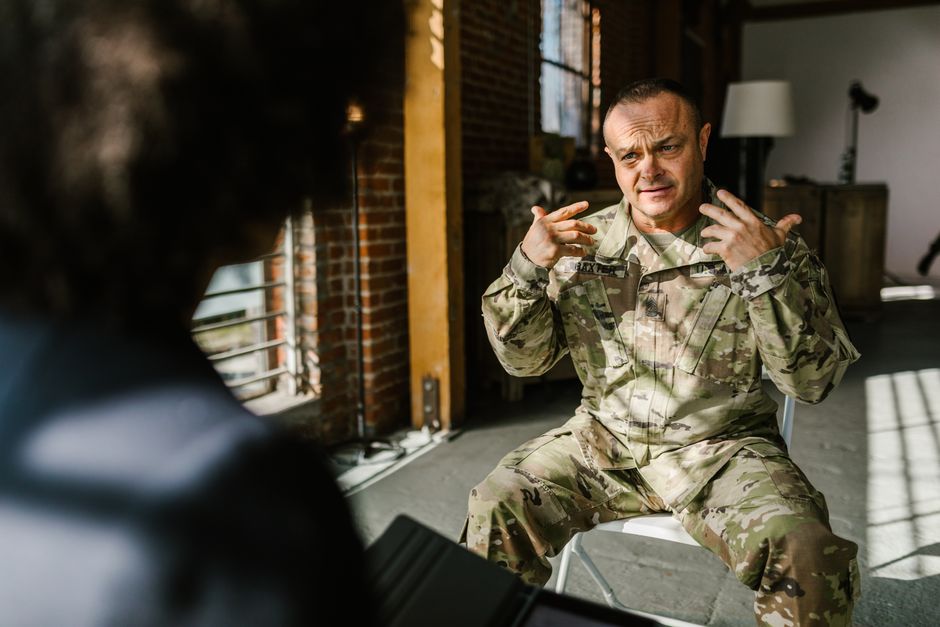
Post-traumatic stress disorder is not automatically a life sentence. Many people who develop PTSD recover, and some recover fully. But recovery is not guaranteed, it does not follow a set timeline, and for some people symptoms persist for years or decades.
The honest answer sits between two extremes. PTSD is treatable, and most people who get evidence-based care see meaningful improvement. At the same time, a real minority continue to have symptoms long after the traumatic event, even with treatment. Whether PTSD becomes lifelong depends on a mix of factors that researchers can describe but cannot predict perfectly for any one person.
What Actually Happens in the Brain and Body With PTSD?
PTSD develops when the brain’s threat system stays switched on after the danger has passed. This is not a character flaw or a failure to “move on.” It is a measurable change in how the body processes fear and memory.
After a traumatic event, the amygdala — the brain’s alarm center — becomes hypersensitive. The prefrontal cortex, which normally helps dampen fear responses, becomes less effective at doing so. The hippocampus, involved in putting memories in time and context, can shrink in volume in people with chronic PTSD. Research using brain imaging has repeatedly found these patterns, though the changes vary widely between individuals.
The stress hormone system also shifts. Many people with PTSD show altered cortisol patterns and an overactive sympathetic nervous system. This is why the body stays on guard: racing heart, muscle tension, jumpiness, and a startle response that fires too easily.
One detail that gets lost in popular explanations: PTSD is not simply a memory that won’t fade. It is a disorder of how the brain files and retrieves that memory. The traumatic memory often stays vivid and fragmented rather than being integrated into the normal flow of autobiographical memory. That is part of why reminders can trigger the feeling that the event is happening again rather than being recalled as past.
How Long Does PTSD Usually Last?
There is no single duration. The course of PTSD varies enormously from person to person.
Many people experience acute stress reactions in the days and weeks after a trauma. A significant portion of those reactions resolve on their own. A diagnosis of PTSD generally requires that symptoms last more than one month and cause real distress or impairment. Symptoms that appear and fade within that first month are usually classified as acute stress disorder rather than PTSD.
For those who do meet the criteria for PTSD, the trajectory splits roughly into a few patterns:
- Recovery: symptoms improve and eventually remit, sometimes within months, sometimes over a year or more.
- Chronic course: symptoms persist for years, sometimes fluctuating with stress and life circumstances.
- Delayed onset: symptoms may not fully appear until months or even years after the event, though this pattern is less common.
What the research does not support is a fixed timeline. You cannot tell someone their PTSD will resolve in six months or two years. Some people improve quickly. Others live with symptoms for decades. Both outcomes are documented in the clinical literature.
Is PTSD a Lifelong Condition for Everyone?
No. The idea that PTSD is permanent once diagnosed is not supported by the evidence. It is also not accurate to say everyone recovers.
Long-term follow-up studies of trauma survivors show that a substantial number of people with PTSD no longer meet the diagnostic criteria years later. Others continue to meet criteria but function well, with symptoms that are managed rather than eliminated. And some continue to struggle significantly.
Several factors are associated with a more chronic course. These include:
- Repeated or prolonged trauma rather than a single event
- Trauma during childhood
- Developing PTSD after a serious injury or ongoing threat
- Limited social support
- Co-occurring depression, anxiety, or substance use
- Delayed access to treatment
These are associations, not destiny. Having several risk factors does not mean recovery is impossible, and having none does not guarantee a quick resolution. Researchers can describe group patterns but cannot reliably predict an individual’s course.





What Treatments Actually Help People Recover?
Several treatments have strong evidence behind them. This is one area where the research is genuinely solid, not marketing.
Trauma-focused psychotherapy is the most studied approach. Two forms have the strongest evidence base: cognitive processing therapy (CPT) and prolonged exposure therapy (PE). Both involve directly working with the traumatic memory in a structured way, and both have been shown in multiple randomized controlled trials to reduce PTSD symptoms.
Eye movement desensitization and reprocessing (EMDR) also has substantial research support, though there is ongoing debate about whether the eye movements themselves add anything beyond the exposure and cognitive elements. The therapy works; the mechanism is still discussed.
Medication can help too. Certain antidepressants — particularly SSRIs — are approved for PTSD and have been shown to reduce symptoms. They tend to help with hyperarousal, intrusive thoughts, and co-occurring depression. They are generally not considered a standalone cure.
What does not have strong evidence: unproven “trauma release” techniques, most supplements marketed for stress, and any program promising rapid permanent resolution without working through the memory. If a treatment claims to erase PTSD quickly and permanently, the evidence almost certainly does not back that claim.
Can Someone Fully Recover From PTSD?
Yes, full recovery happens. It is documented in clinical trials and long-term studies. But “full recovery” needs a careful definition.
In research, recovery usually means no longer meeting the diagnostic criteria for PTSD. It does not always mean the person has no memory of the trauma or feels nothing about it. Many people who recover still remember what happened and may feel sadness or anger when reminded. The difference is that the memory no longer hijacks their nervous system or controls their daily life.
This distinction matters. Some people interpret recovery as erasing the past. That is not what treatment aims for and not what the evidence shows. The goal is to reduce symptoms and restore function, not to delete a memory.
It is also worth separating symptom reduction from functioning. A person can have some lingering symptoms and still work, maintain relationships, and live a full life. Whether that counts as “recovered” depends on how you define it.
What Makes Recovery More Likely?
Getting evidence-based treatment early appears to help, though the relationship is not perfectly clean. Social support consistently shows up as protective. So does avoiding alcohol and drugs as coping tools, which tend to worsen the course of PTSD over time.
Physical health matters more than people expect. Sleep deprivation, chronic pain, and untreated medical conditions can amplify PTSD symptoms. Addressing those does not treat PTSD directly, but it can make the disorder more manageable.
One thing that does not help: avoidance. Avoiding reminders, people, places, and conversations may feel safer in the short term, but it tends to maintain and worsen PTSD over time. This is a core reason exposure-based therapies work — they gradually reduce the power of avoidance.
When Should Someone Seek Help?
If symptoms last more than a month, interfere with work, relationships, or daily functioning, or include thoughts of self-harm, it is time to talk to a clinician. Thoughts of suicide are a medical emergency — seek immediate help.
You do not need to wait for a formal diagnosis to ask for support. Many people benefit from talking to a doctor or mental health professional even when their symptoms do not yet meet full criteria. Early support does not guarantee a faster recovery, but it opens the door to evidence-based options sooner.
Frequently Asked Questions
Can PTSD go away on its own?
Some people recover without formal treatment, especially when symptoms are mild and support is strong. However, PTSD that persists beyond a month generally benefits from evidence-based care, and waiting does not reliably lead to improvement.
Is PTSD permanent once you have it?
No. Many people no longer meet the diagnostic criteria for PTSD years later, though some continue to have symptoms long term. The course varies widely and cannot be predicted with certainty for any individual.
How long does PTSD last without treatment?
There is no fixed duration. Some cases resolve within months, while others persist for years or decades, and the research does not support a predictable timeline.
What is the most effective treatment for PTSD?
Trauma-focused therapies such as cognitive processing therapy and prolonged exposure have the strongest evidence, and certain antidepressants are also effective. The best choice depends on the person and should be discussed with a clinician.
