
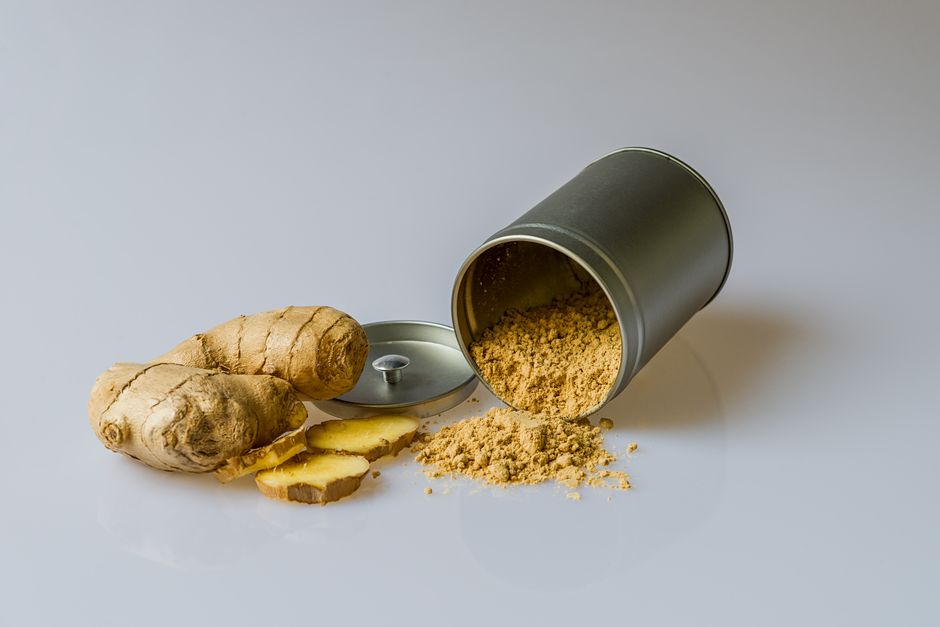
Fresh ginger root and powdered ginger come from the same plant, but they are not the same ingredient. The drying process changes the chemistry of the root in ways that matter for both flavor and health effects. For cooking, the two are not interchangeable. For health benefits, the answer depends on which compound you care about most.
What Changes When Ginger Is Dried and Powdered
Fresh ginger root contains about 80 percent water. When manufacturers dry and grind the root, they remove almost all of that moisture. What remains is a concentrated powder with a different chemical profile than the fresh root.
The most important change involves a compound called gingerol. Fresh ginger is rich in gingerol, which gives the root its signature spicy, sharp bite. When ginger is dried, gingerol converts into a related compound called shogaol. Shogaol is spicier and more pungent than gingerol. This is why powdered ginger tastes hotter and sharper than fresh ginger, even though it comes from the same plant.
The drying process also affects the amount of aromatic oils in the root. Fresh ginger has a bright, citrusy, floral aroma. Much of that volatile oil evaporates during drying. Powdered ginger smells earthier and less vibrant. If you are cooking for aroma and freshness, fresh ginger wins. If you want heat and pungency, the powder is stronger.
Is Powdered Ginger As Good As Fresh Ginger for Health Benefits?
Both forms of ginger contain bioactive compounds with documented health effects. Research has focused most heavily on ginger for nausea relief. Multiple clinical trials have found that ginger reduces nausea and vomiting in specific situations, particularly pregnancy-related nausea and postoperative nausea. Some evidence also supports ginger for motion sickness, though results are less consistent.
The question of whether powder matches fresh ginger for these effects is not fully settled. Most clinical trials use powdered ginger in capsule form, not fresh root. That means the strongest evidence for ginger’s anti-nausea effects actually comes from studies of the dried, powdered form. For this specific benefit, powdered ginger is not just as good as fresh — it is the form that has been tested.
For anti-inflammatory effects, the picture is different. Gingerol is a potent anti-inflammatory compound. Because fresh ginger contains more gingerol than dried ginger, some researchers believe fresh ginger has stronger anti-inflammatory activity. However, shogaol also has anti-inflammatory properties, and it is more bioavailable in some ways. No large human trials have directly compared fresh ginger to powdered ginger for inflammatory conditions. The honest position is that both forms show anti-inflammatory activity in laboratory studies, but no clinical evidence confirms one is superior.
How Much Ginger Is Safe to Consume
Ginger is safe for most people in culinary amounts. That means the amount you would reasonably use in cooking — roughly one to two tablespoons of fresh grated ginger or one to two teaspoons of powder per recipe.
For therapeutic use, clinical trials have used higher doses. Studies have tested powdered ginger in capsule form at doses ranging from 250 mg to 1 gram taken multiple times daily. These doses appear generally safe in healthy adults. However, no official clinical guidelines establish a standard therapeutic dose for ginger. The evidence base is real but not standardized.
Some people experience mild side effects from ginger, including heartburn, stomach upset, and diarrhea. These are more likely at higher doses. Ginger can also interact with blood-thinning medications like warfarin. If you take anticoagulants, talk to your doctor before using concentrated ginger supplements.
Pregnant women should be cautious with concentrated ginger supplements. Culinary amounts are generally considered safe during pregnancy, and some research has examined ginger for pregnancy-related nausea. However, no clinical guidelines currently exist for a specific safe dose in pregnancy. Discuss any supplement use with your obstetrician.



How to Substitute Powdered Ginger for Fresh in Recipes
Substitution is not one-to-one. Powdered ginger is more concentrated than fresh ginger by weight. But because the flavor profiles differ, you cannot simply swap equal amounts.
A common culinary rule is that one teaspoon of powdered ginger equals roughly one tablespoon of freshly grated ginger. This is a starting point, not a precise formula. The powder is more pungent and less aromatic, so dishes made with powder will taste hotter but less fresh.
If a recipe calls for fresh ginger and you only have powder, add it gradually and taste as you go. Start with about half the equivalent amount and adjust. For recipes like stir-fries, marinades, and sauces where ginger is a background note, the powder works fine. For recipes where ginger is the star — like ginger tea, pickled ginger, or fresh ginger cake — the powder will not deliver the same result.
If a recipe calls for powdered ginger and you only have fresh, use roughly three times as much fresh ginger by volume. Grate it finely so it distributes evenly. Keep in mind the fresh ginger will add moisture to the dish, which can affect texture in baking.
Does Powdered Ginger Lose Potency Over Time
All dried spices lose potency as they age. The volatile oils that give ginger its aroma and some of its bioactive compounds degrade over time. Powdered ginger that has sat in your pantry for two years is not as potent as a freshly opened jar.
Proper storage slows this process. Keep powdered ginger in an airtight container away from heat, light, and moisture. Whole dried ginger root lasts longer than ground powder because less surface area is exposed to air. Fresh ginger root stored in the refrigerator can last for several weeks. You can also freeze fresh ginger, which preserves much of its flavor and bioactive content.
There is no strict expiration date for ginger powder. The best test is smell and taste. If the powder has lost its pungent aroma and tastes flat, it has degraded. Replace it.
Which Form Should You Choose
For nausea relief, powdered ginger has the strongest research backing because most clinical trials used capsules of dried ginger. For anti-inflammatory effects, fresh ginger has more gingerol, but no direct clinical comparison exists to prove it works better. For cooking, the choice depends on the dish.
Use fresh ginger when you want bright, citrusy aroma and a clean, sharp flavor. Use powdered ginger when you want concentrated heat and pungency, or when a recipe specifically calls for it. Many spice blends and baked goods rely on the distinct character of dried ginger.
Both forms count toward your intake of ginger’s beneficial compounds. Eating either is better than eating neither. The evidence does not support the claim that one form is universally superior to the other. They are different ingredients with different strengths.
Frequently Asked Questions
Can I use powdered ginger instead of fresh ginger for tea?
Yes, but the tea will taste different. Powdered ginger makes a hotter, earthier tea with less fresh aroma than steeping sliced fresh root.
Is powdered ginger as good as fresh ginger for nausea?
Most clinical trials on ginger for nausea used powdered ginger in capsules, so the strongest evidence actually supports the powdered form. Both forms contain anti-nausea compounds, but the dried form is what has been most studied.
How much powdered ginger equals fresh ginger?
One teaspoon of powdered ginger is roughly equivalent to one tablespoon of freshly grated ginger. Start with less and adjust to taste because the powder is more pungent.
Does cooking destroy the benefits of ginger?
Heat can degrade some volatile compounds, but ginger’s bioactive components are relatively heat-stable. Cooked ginger still provides health benefits, though very high heat for long periods may reduce potency.
