
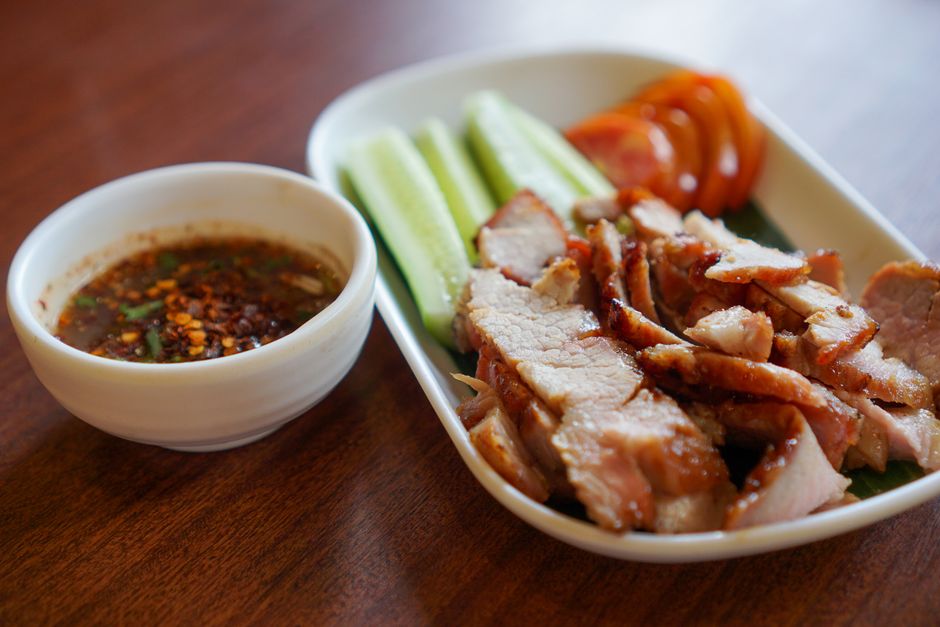
Yes, pork is absolutely a protein. A 3-ounce serving of cooked pork loin provides about 22-26 grams of protein, which is comparable to chicken breast or beef. Pork is classified as red meat by the USDA and the American Cancer Society, despite marketing efforts that sometimes call it “the other white meat.” It is a complete protein, meaning it contains all nine essential amino acids your body needs from food. But not all pork is equal in nutrition, and how you prepare it changes what you get.
How Much Protein Does Pork Actually Have?
Pork is a high-quality protein source. The exact amount depends on the cut and how it is cooked. A 3-ounce serving of roasted pork tenderloin gives you about 22 grams of protein. Pork chop with the fat trimmed offers roughly 23 grams. Ground pork, cooked and drained, provides around 21 grams per 3-ounce serving.
For comparison, a 3-ounce chicken breast has about 26 grams of protein. Beef sirloin has roughly 25 grams. Pork sits right in the same range. The protein in pork is highly digestible. Your body can use about 90-95% of the protein in cooked pork, which is excellent.
The 2020-2025 Dietary Guidelines for Americans list pork as a protein food within the meat, poultry, and eggs subgroup. A standard serving is 3 ounces cooked, which is about the size of a deck of cards. Most adults need 5-6.5 ounce-equivalents of protein foods per day. One serving of pork covers about a third of that.
Is Pork a Complete Protein Like Chicken or Beef?
Yes, pork is a complete protein. This means it provides all nine essential amino acids in adequate amounts. Your body cannot make these amino acids on its own, so you must get them from food. Pork contains high levels of leucine, which is important for muscle protein synthesis — the process your body uses to build and repair muscle tissue.
Plant proteins like beans, rice, and nuts are typically incomplete. They lack one or more essential amino acids. You can combine different plant foods to get all amino acids, but animal proteins like pork provide them in one package. The protein quality of pork is similar to eggs, dairy, beef, and poultry.
The Protein Digestibility Corrected Amino Acid Score (PDCAAS) measures protein quality. Pork scores close to 1.0, the highest possible rating. This means the amino acid profile matches human needs very well, and the protein is easy to digest. For muscle maintenance, recovery after exercise, or general health, pork is a reliable protein choice.
Does the Fat Content in Pork Change Its Protein Value?
The fat content does not change the protein quality, but it does change the total nutrition. A 3-ounce serving of pork tenderloin, which is very lean, has about 3 grams of fat and 120 calories. A pork chop with the fat cap still on has about 10 grams of fat and 200 calories. The protein amount stays roughly the same — around 22-23 grams — but the extra fat adds calories.
Pork fat is about 40% saturated fat and 60% unsaturated fat. The American Heart Association recommends limiting saturated fat to 5-6% of total daily calories. For a 2,000-calorie diet, that is about 13 grams of saturated fat per day. A fatty pork chop with the fat eaten provides about 3.5 grams of saturated fat, which is roughly 27% of that daily limit.
If you are tracking protein intake for muscle building or weight management, choose leaner cuts. Pork tenderloin, loin chops, and sirloin roast are the leanest options. The USDA defines “lean” pork as having less than 10 grams of total fat and less than 4.5 grams of saturated fat per 3-ounce serving. Many pork cuts meet this standard when trimmed of visible fat.
| Cut | Protein (g) | Total Fat (g) | Saturated Fat (g) | Calories |
|---|---|---|---|---|
| Pork tenderloin | 22 | 3 | 1 | 120 |
| Pork loin chop | 23 | 6 | 2 | 165 |
| Ground pork (85% lean) | 21 | 12 | 4.5 | 230 |
| Pork shoulder (braised) | 22 | 14 | 5 | 260 |
| Bacon (3 slices) | 6 | 9 | 3 | 120 |



What Does Research on Pork and Health Show?
Research on pork and health is mixed, and it depends heavily on processing. Unprocessed pork — fresh cuts like loin, chops, and tenderloin — is linked to different health outcomes than processed pork like bacon, ham, sausage, and deli meats.
A 2020 study published in the British Medical Journal found that high consumption of processed red meat was associated with higher risk of heart disease, cancer, and early death. The study included over 500,000 participants. Unprocessed red meat showed a smaller or no increased risk depending on the analysis. The World Health Organization classified processed meat as “carcinogenic to humans” in 2015, based on evidence linking it to colorectal cancer.
The American Institute for Cancer Research recommends limiting red meat, including pork, to no more than three servings per week — about 12-18 ounces total. They advise avoiding processed meats entirely. The key issue with processed pork is the addition of sodium, nitrates, and other preservatives, not the protein itself.
Some studies suggest that lean pork can be part of a heart-healthy diet. A 2018 review in Nutrients found that lean pork consumption did not raise LDL cholesterol more than chicken or fish when eaten in moderate amounts. The protein and nutrients in pork — including B vitamins, zinc, selenium, and phosphorus — support immune function, energy metabolism, and bone health.
How Does Pork Compare to Other Protein Sources?
Pork is similar to beef and chicken in protein content per serving, but there are differences in micronutrients. Pork is especially high in thiamine (vitamin B1), which is rare in other meats. A 3-ounce serving of pork provides about 50-70% of the daily value for thiamine. This vitamin is essential for converting food into energy and for nerve function.
Pork also contains more selenium than chicken or beef. Selenium is an antioxidant mineral that supports thyroid function and immune health. A 3-ounce serving of pork provides about 40-50% of the daily value for selenium. Pork is also rich in zinc, which is important for wound healing and immune function.
Chicken breast is slightly lower in fat than lean pork, but the difference is small. A 3-ounce chicken breast has about 2 grams of fat and 26 grams of protein. Lean pork tenderloin has about 3 grams of fat and 22 grams of protein. For most people, the difference is not meaningful in the context of a balanced diet.
Fish like salmon provides protein plus omega-3 fatty acids, which pork does not contain in significant amounts. Eggs provide high-quality protein with less than 100 calories per two eggs. Beans and lentils provide protein plus fiber, but they are incomplete proteins and need to be combined with grains or other foods to get all essential amino acids.
Is Pork a Good Protein for Muscle Building?
Yes, pork is an excellent protein for muscle building. It is rich in leucine, the amino acid that triggers muscle protein synthesis. Research shows that consuming 20-40 grams of high-quality protein after exercise maximizes muscle repair and growth. A 3-ounce serving of pork fits right in that range.
A 2017 study in the Journal of the International Society of Sports Nutrition compared pork to chicken and beef for post-exercise muscle recovery. The researchers found no significant differences in muscle protein synthesis rates between the three meats. All were equally effective. The key factor was total protein and leucine content, not the specific animal source.
Pork also provides creatine and beta-alanine, two compounds that support muscle performance. Creatine helps produce energy during high-intensity exercise. Beta-alanine buffers acid buildup in muscles during exercise. While the amounts in pork are smaller than in supplements, whole food sources provide these compounds along with other nutrients.
For athletes or older adults trying to prevent muscle loss, pork is a practical option. It is affordable, widely available, and versatile in cooking. The protein digestibility is high, and the amino acid profile matches human needs well. Choosing lean cuts keeps the calorie and fat content reasonable.
Common Misconceptions About Pork and Protein
One common myth is that pork is “unhealthy” compared to white meat. This oversimplifies the science. Unprocessed lean pork is nutritionally similar to chicken and turkey. The health risks come mainly from processed pork products and from cooking methods that add fat or create harmful compounds.
Another misconception is that pork protein is lower quality than beef or chicken. This is false. The PDCAAS scores are nearly identical. The protein digestibility and amino acid profile are essentially the same. The differences are in micronutrients, not protein quality.
Some people believe that pork must be cooked well-done to be safe, which can dry it out and reduce palatability. The USDA recommends cooking whole cuts of pork to an internal temperature of 145°F, followed by a 3-minute rest. This is lower than the previous recommendation of 160°F. At 145°F, pork is safe and remains juicy. Ground pork should still be cooked to 160°F.
There is also a belief that pork is not suitable for weight loss because of its fat content. Lean pork is actually one of the leanest meats available. Pork tenderloin has a fat content similar to skinless chicken breast. When eaten in appropriate portions, lean pork can support weight management by providing satiety and preserving muscle mass during calorie restriction.
What to Avoid When Eating Pork for Protein
Avoid heavily processed pork products if your goal is to increase protein intake without excess sodium and preservatives. Bacon, ham, sausage, and deli meats are high in sodium — often 500-800 mg per serving — and contain nitrates. The World Health Organization classifies processed meat as a Group 1 carcinogen, meaning there is strong evidence it causes cancer in humans.
Also avoid cooking methods that create harmful compounds. Grilling or frying pork at high temperatures can form heterocyclic amines (HCAs) and polycyclic aromatic hydrocarbons (PAHs). These compounds are linked to cancer risk in animal studies. The National Cancer Institute advises avoiding direct flame contact and charring. Marinating pork before cooking can reduce HCA formation by up to 90% according to some research.
Do not rely on pork as your only protein source. Variety matters for nutrient diversity. Fish provides omega-3s. Poultry is lean. Beans and legumes provide fiber. Eggs provide choline. A mix of animal and plant proteins gives you a wider range of vitamins, minerals, and phytonutrients. The Dietary Guidelines for Americans recommend eating a variety of protein foods throughout the week.
Finally, avoid oversized portions. A 3-ounce serving is standard. Restaurant pork chops are often 8-12 ounces, which provides 50-70 grams of protein in one meal. That is more than most people need at once. Your body can only use about 20-40 grams of protein per meal for muscle synthesis. Excess protein is converted to energy or stored as fat.
Frequently Asked Questions
Is pork a complete protein?
Yes, pork is a complete protein containing all nine essential amino acids your body needs. It scores close to 1.0 on the Protein Digestibility Corrected Amino Acid Score.
How much protein is in a 3-ounce serving of pork?
A 3-ounce serving of cooked pork loin or tenderloin provides about 22-26 grams of protein. The exact amount varies slightly by cut and cooking method.
Is pork healthier than chicken for protein?
Both are excellent protein sources with similar amino acid profiles. Pork is higher in thiamine and selenium, while chicken is slightly lower in fat. Neither is clearly healthier when choosing lean cuts.
Can you build muscle eating pork?
Yes, pork is effective for muscle building due to its high leucine content and complete amino acid profile. Studies show it supports muscle protein synthesis as well as chicken or beef.
