
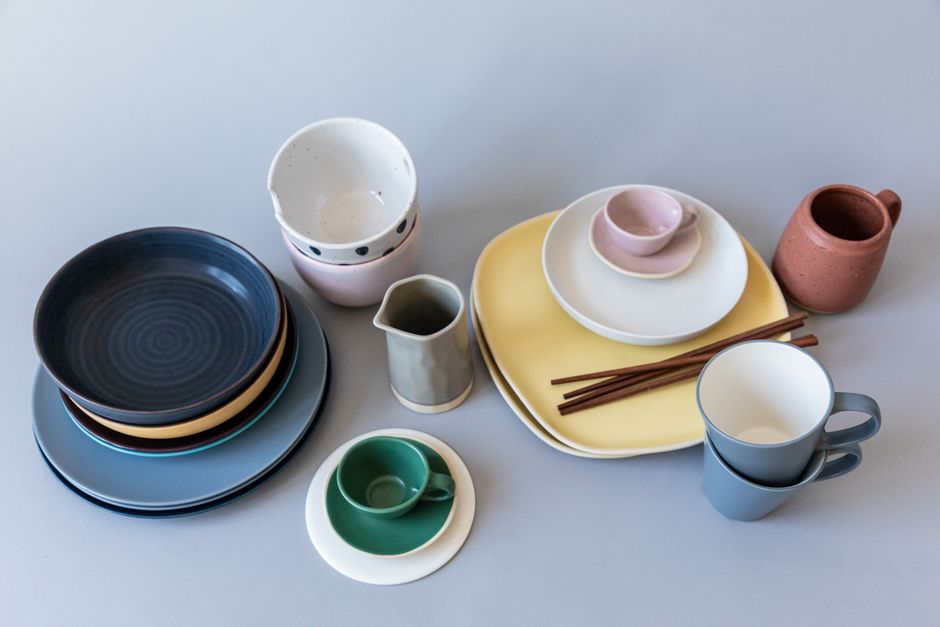
Porcelain is generally considered non-toxic in its finished, fired form. The main safety concern with porcelain is not the material itself but the glaze and decorative paints used on it, which can contain lead or cadmium. Modern porcelain made and sold in the United States must meet federal limits on lead release, but older, imported, or handmade pieces may not.
Is Porcelain Non Toxic Lead Risks And Safety Facts?
Fired porcelain clay is inert. It is made from kaolin (a type of clay), feldspar, and silica, all of which are natural minerals that become stable after firing at high temperatures. In its finished state, the ceramic body does not leach harmful substances into food or drink.
The risk comes from what is added to the surface. Glazes give porcelain its smooth, glassy finish. Decorative paints create patterns and colors. Both can contain heavy metals. Lead was historically used in glazes because it produces a bright, smooth finish at lower firing temperatures. Cadmium can appear in red, orange, and yellow pigments.
When a lead-containing glaze is properly fired at high heat, the lead becomes part of the glass structure and is largely locked in. The problem arises when firing temperatures are too low, when the glaze formula is wrong, or when acidic foods and drinks sit in the vessel for long periods. In those cases, lead can leach out of the glaze and into food.
This is why regulatory limits focus on lead release rather than the presence of lead in the material. A piece can contain lead in its glaze and still be legal if it releases very little.
How Does Lead Get Into Porcelain in the First Place?
Lead enters porcelain through the glaze, not the clay body. Potters and manufacturers have used lead compounds in glazes for centuries because they melt at lower temperatures and produce a glossy, durable surface. Lead also makes certain colors — especially reds, oranges, and yellows — brighter and more stable.
In the United States, the FDA regulates lead in ceramic foodware. The agency sets maximum allowable levels for lead leaching from the food-contact surface. Manufacturers must test their products, and imported ceramics are subject to border inspection.
However, enforcement is not perfect. Handmade pottery sold at craft fairs, flea markets, or online marketplaces may not have been tested. Antique porcelain, vintage dinnerware, and pieces imported from countries with weaker regulations are more likely to exceed lead limits.
A common misconception is that lead only matters if you can see cracks or damage. In reality, a perfectly intact glaze can still leach lead if it was not formulated or fired correctly. Visual inspection alone cannot tell you whether a piece is safe.
Which Types of Porcelain Are Most Likely to Contain Lead?
Not all porcelain carries the same risk. The likelihood of lead exposure depends on when and where the piece was made, how it was decorated, and how it is used.
- Antique and vintage porcelain — Made before modern regulations, these pieces often used lead glazes and lead-based overglaze enamels. Decorative plates, teacups, and serving dishes from before the 1970s are higher risk.
- Handmade or artisan pottery — Small studios may use lead-containing glazes or fire at inconsistent temperatures. Without testing, the lead release is unknown.
- Imported porcelain from countries with limited regulation — Some imported dinnerware has been found to exceed lead limits. Border testing catches some but not all.
- Decorative porcelain not intended for food — Vases, figurines, and wall plates are not required to meet food-safety standards. Using them for food is risky.
- Modern, commercially made dinnerware — Made in the U.S. or by reputable international brands, these are much more likely to meet safety standards. But “lead-free” labels are not always verified.
One non-obvious point: the risk is not just about lead in the glaze. Overglaze decorations — the painted designs on top of the glaze — are fired at lower temperatures and are more likely to release heavy metals. A plain white porcelain plate is generally lower risk than a brightly decorated one.
How Can You Tell If Your Porcelain Contains Lead?
You cannot tell by looking. Lead in glaze or paint is invisible. Home lead test kits exist, but their reliability varies. Some kits can produce false negatives or false positives depending on the surface and how the test is used.
The most reliable option is laboratory testing, which is not practical for most households. Instead, you can make reasonable judgments based on the piece’s origin and age.
If you are unsure about a piece, do not use it for food or drink. This is especially important for children and pregnant women, who are more vulnerable to lead’s effects. The CDC has stated that no safe blood lead level in children has been identified.
For pieces you want to keep using, there are some precautions that may reduce risk, though they do not eliminate it:
- Avoid storing acidic foods (tomato sauce, citrus, vinegar) in questionable porcelain.
- Do not use damaged or cracked pieces for food.
- Do not microwave or put questionable pieces in the dishwasher — heat and detergents can increase leaching.
- Consider using suspect pieces for decoration only.
These steps lower exposure but do not make a lead-containing piece safe. If you have a piece you suspect is high-risk, the safest choice is to stop using it for food.
What About Lead in Porcelain Dental Crowns and Fillings?
Dental porcelain is a different category. It is made to medical device standards and is subject to different regulations than dinnerware. Dental porcelain is generally considered biocompatible and does not contain lead glazes.
The confusion sometimes arises because both are called “porcelain.” Dental ceramic is engineered for the human body and tested for biocompatibility. It does not use the same decorative glazes as household ceramics.
That said, some people report sensitivity to dental materials. This is a separate issue from lead toxicity. If you have concerns about a dental restoration, discuss them with your dentist. The evidence does not suggest that dental porcelain is a meaningful source of lead exposure for most people.
Does Porcelain Contain Other Toxic Materials Besides Lead?
Cadmium is the other heavy metal of concern in ceramic glazes. It is used in red, orange, and yellow pigments. Like lead, cadmium can leach from poorly fired or improperly formulated glazes.
Barium is sometimes used in glazes as a flux. In its insoluble form within a properly fired glaze, it is considered stable. But if the glaze is underfired or damaged, barium could potentially leach.
Aluminum and silica are present in porcelain clay and glaze. In their fired, bound form, they are not considered a health risk from normal use. The concern with silica is inhalation during the manufacturing process, not from using a finished plate.
Uranium was historically used in some orange-red glazes, particularly in vintage pieces. Antique uranium glass and certain mid-century ceramics may contain trace amounts. These are generally considered more of a collector’s curiosity than a significant health risk, but using them for food is not recommended.
Is “Lead-Free” Porcelain Really Lead-Free?
Not necessarily. The term “lead-free” is not tightly regulated for ceramics in all contexts. In some cases, it means the glaze contains no intentionally added lead. In others, it means the piece meets the FDA’s lead release limits, which allow a small amount of leaching.
California’s Proposition 65 sets stricter warning thresholds for lead exposure. Some manufacturers label their products as Prop 65 compliant, which indicates they meet California’s standards. This is not the same as zero lead.
If a piece is labeled “lead-free,” it likely meets regulatory standards for lead release. But without third-party testing, there is no guarantee. Reputable brands often publish test results or hold certifications from independent labs.
For most people, the practical takeaway is this: modern, mass-produced porcelain from established brands is very likely to be safe for normal use. The highest-risk items are antiques, handmade pottery from unknown sources, and decorative pieces used for food.
What Are the Symptoms of Lead Exposure From Porcelain?
Lead exposure from dinnerware is usually chronic and low-level, not acute. Most people would not notice symptoms from occasional use of a piece that leaches small amounts of lead.
Over time, repeated exposure can lead to elevated blood lead levels. Symptoms of lead poisoning can include fatigue, irritability, headaches, and abdominal pain. In children, even low levels of lead can affect brain development and behavior.
Because symptoms are vague and easily attributed to other causes, lead exposure is often missed. A blood test is the only way to confirm elevated lead levels. If you are concerned about exposure from any source, talk to a healthcare provider about testing.
It is important to keep the risk in perspective. For most adults using modern, commercially made porcelain, the likelihood of meaningful lead exposure is low. The concern is greater for people who regularly use antique or unverified handmade pottery, especially for acidic foods.
Frequently Asked Questions
Is all porcelain safe to eat off?
No. Modern commercially made porcelain that meets FDA standards is generally safe, but antique, handmade, or imported pieces from unregulated sources may leach lead or cadmium. If you are unsure about a piece, do not use it for food.
How can I test porcelain for lead at home?
Home lead test kits are available but their accuracy varies, and they can produce false results. The most reliable method is laboratory testing, which is not practical for most households. If you cannot verify a piece, treat it as decorative only.
Does dishwasher use increase lead leaching from porcelain?
Heat and detergents can accelerate the breakdown of a glaze over time, potentially increasing lead release from a piece that already leaches. If you suspect a piece contains lead, hand washing in warm water is a lower-risk option, though it does not make the piece safe.
Are porcelain mugs more risky than plates?
Mugs hold hot, often acidic beverages for extended periods, which can increase leaching from a glaze that contains lead. The risk depends on the specific piece, not the shape alone. A mug from a reputable modern manufacturer is generally low risk.
