
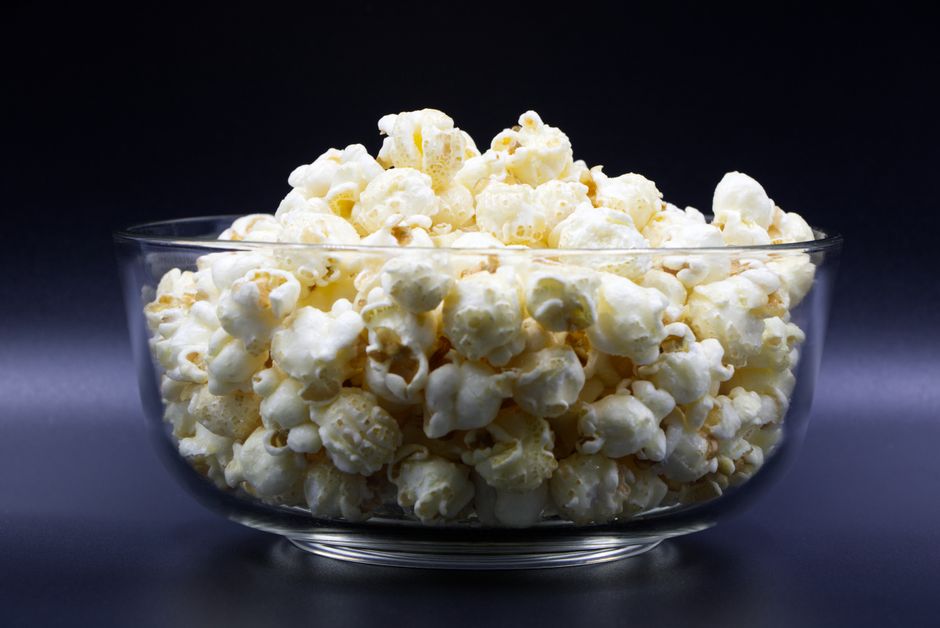
Popcorn without butter is a whole grain snack that can fit into a healthy diet. Plain air-popped popcorn is low in calories and fat and delivers fiber, so it earns its place as one of the better snack choices available. The catch is what gets added to it. Butter, oil, salt, and coatings can turn a light snack into a high-calorie, high-sodium food.
There is no medical treatment for eating popcorn, because popcorn is not a condition. The real question is whether your popcorn habits support your health goals or work against them. The answer depends almost entirely on how it is prepared and how much you eat.
Is Popcorn Without Butter Healthy?
Yes, plain popcorn without butter is a healthy snack for most people. It is a whole grain, meaning it contains the bran, germ, and endosperm of the corn kernel. That puts it in a different category from refined snacks like chips or crackers.
Air-popped popcorn is roughly 30 calories per cup, according to USDA nutritional data. It provides about 1 gram of fiber per cup. That does not sound like much until you consider that a typical serving is several cups. A three-cup portion delivers a meaningful amount of fiber for a snack.
Fiber matters for digestive health, helps you feel full, and supports heart health. Most Americans do not get enough fiber in their diets. A snack that adds fiber without adding much fat or sugar is genuinely useful.
Popcorn also contains small amounts of vitamins and minerals, and it provides antioxidants called polyphenols. Some research suggests popcorn contains more of these compounds than some fruits and vegetables by weight. That sounds impressive, but it does not mean popcorn replaces produce. The antioxidant content is a modest bonus, not a reason to eat popcorn instead of an apple.
One clarification worth making: popcorn is not a “negative calorie” food, and no study has shown it burns more calories than it contains. That claim circulates online but has no scientific support.
How Do Cooking Methods Change the Health Profile?
The cooking method changes popcorn’s nutrition far more than most people realize. The corn itself is nearly identical. What varies is the fat and salt added during and after popping.
Air-popped popcorn uses hot air and no oil. It is the leanest option. Oil-popped popcorn on the stove or in a microwave bag adds fat, which raises calories. Movie theater popcorn is a different story entirely, often popped in oil and topped with a butter-flavored topping that adds substantial fat and sodium.
| Type (about 3 cups) | Approximate calories | Fat | Sodium |
|---|---|---|---|
| Air-popped, no toppings | ~90 | ~1 g | ~0 mg |
| Oil-popped, no toppings | ~130-160 | ~7-10 g | varies |
| Microwave butter-flavored | ~150-180 | ~10-12 g | ~300+ mg |
| Movie theater, butter topping | ~400+ | ~30 g | ~600+ mg |
These figures are approximate because brands and preparation vary widely. The pattern is what matters. Air-popped popcorn is a light snack. Theater popcorn with butter topping can approach the calorie load of a small meal.
Microwave popcorn bags often contain added salt and fat, and some butter-flavored versions include artificial flavoring. Reading the nutrition label tells you more than the front of the box does.
What About Salt and Butter Substitutes?
Salt is the most common addition to popcorn, and it is where many people unknowingly take in extra sodium. The Dietary Guidelines for Americans recommend keeping sodium under 2,300 mg per day for most adults. A heavily salted bowl of popcorn can contribute a noticeable share of that.
If you want flavor without butter, several options work well. Nutritional yeast adds a savory, cheesy taste with minimal fat and calories. Herbs and spices like paprika, garlic powder, or black pepper add flavor without sodium. A light spray of olive oil helps seasonings stick without the fat load of melted butter.
Butter substitutes and butter-flavored powders deserve a note of caution. Many are high in sodium and contain artificial flavoring. They are not automatically healthier than butter. Some contain partially hydrogenated oils, though most major brands have removed trans fats in recent years. Check the label.
No clinical guidelines single out any butter substitute as the healthiest choice. The general principle is to favor options lower in sodium and saturated fat, and to use them in moderation.
Does Popcorn Fit Into Weight Management?
Popcorn can support weight management because it is high in volume and fiber relative to its calories. Foods that take up space in your stomach and provide fiber tend to increase fullness. That can help you eat less overall.
Some studies suggest that people who snack on air-popped popcorn feel fuller than those who snack on potato chips of equal calories. The evidence is not overwhelming, but the fiber and volume explanation is reasonable and consistent with what is known about satiety.
The practical point is simple. A large bowl of air-popped popcorn is a satisfying snack at a modest calorie cost. The same bowl drenched in butter and salt is not. Portion still matters, even with plain popcorn. It is easy to eat several servings without noticing.
Popcorn is not a weight loss treatment. No food is. It is a snack that can fit into a balanced eating pattern, or it can work against one depending on preparation.
Are There Health Risks to Consider?
For most people, popcorn is safe and well tolerated. There are a few real risks worth knowing.
Popcorn hulls, the tough outer shells, can get stuck between teeth or under gums and cause irritation. People with certain dental work or gum disease may notice this more. Chewing carefully helps.
Young children are at risk of choking on popcorn. Whole popcorn kernels are not recommended for children under about age four, because they can block an airway. This is a well-established choking hazard. Popcorn should not be given to toddlers or preschoolers.
People with diverticular disease were once told to avoid popcorn and other foods with seeds or hulls. That advice has largely been reconsidered. Current evidence does not support avoiding popcorn to prevent diverticulitis, and some research suggests a high-fiber diet including popcorn may be protective. Anyone with a specific diagnosis should follow their own clinician’s guidance rather than general rules.
Popcorn is a whole grain, so it contains gluten-free corn. People with celiac disease or gluten sensitivity can generally eat plain popcorn, but flavored or coated varieties may contain gluten-containing ingredients. Check labels.
How Should You Prepare Popcorn for Health?
Air-popping is the simplest way to keep popcorn healthy. An air popper needs no oil, and you control everything that goes on afterward. Stovetop popping with a small amount of oil is a close second.
If you use the microwave, plain brown paper bags of kernels work, or you can buy pre-portioned plain microwave popcorn. Avoid the heavily buttered, heavily salted varieties when you can.
Season after popping, not during. A light mist of oil helps spices stick. Then add flavor with herbs, spices, or a small amount of grated hard cheese. Use salt sparingly.
- Choose air-popped or lightly oil-popped corn
- Season with herbs and spices instead of salt
- Skip butter-flavored toppings and heavy salt
- Watch portion size even with plain popcorn
- Keep whole kernels away from children under four
Popcorn eaten plain is a snack you can feel good about. The health difference between a bowl of air-popped corn and a bucket of theater popcorn is large. Most of the benefit comes from what you leave off, not what you add.
Frequently Asked Questions
Is popcorn without butter healthy?
Yes, plain popcorn without butter is a healthy whole-grain snack that provides fiber with relatively few calories. Air-popped is the leanest option.
How many calories are in air-popped popcorn?
Air-popped popcorn has roughly 30 calories per cup, according to USDA data. A three-cup serving is about 90 calories.
Can you eat popcorn on a diet?
Yes, plain popcorn can fit into a weight management plan because its fiber and volume help with fullness. Heavily buttered or salted popcorn adds significant calories and sodium.
Is popcorn bad for your teeth?
Popcorn hulls can get stuck between teeth or under gums and cause irritation. Chewing carefully and flossing afterward reduces the risk.
