
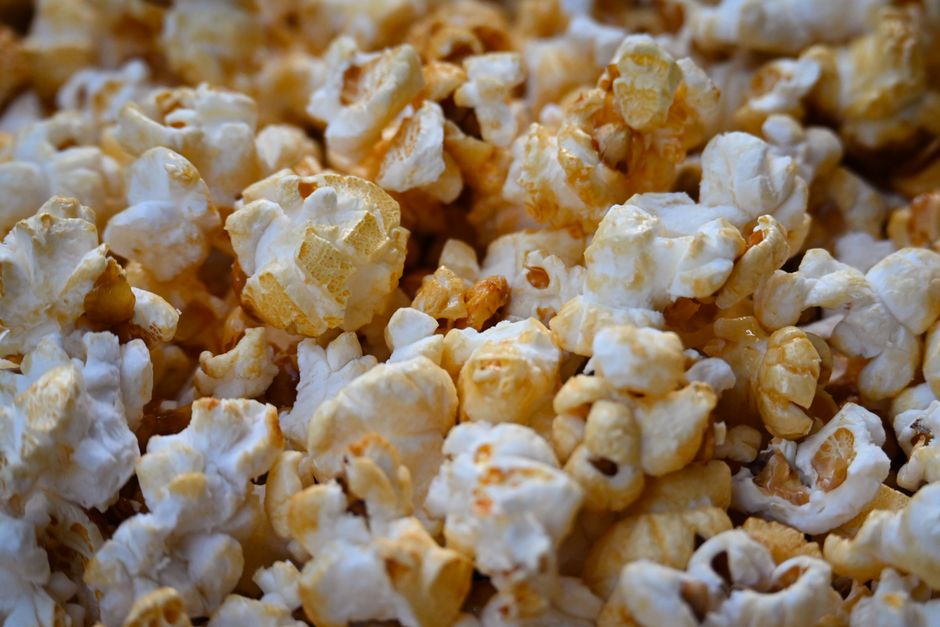
Popcorn popped in olive oil is a healthier choice than popcorn popped in butter or most microwave-bag oils, and it fits well into a balanced diet when you control the portion and the toppings. Olive oil is high in monounsaturated fat, and popcorn itself is a whole grain that delivers fiber. The catch is that “popped in olive oil” on a label says nothing about how much oil, how much salt, or how many calories end up in the bowl.
There is no medical treatment for eating popcorn. The real question is whether this snack supports your health goals or quietly works against them. That depends on preparation, portion, and what you add afterward.
What Happens Nutritionally When You Pop Corn in Olive Oil?
Popcorn is a whole grain. The kernel contains the bran, germ, and endosperm of the corn, which is why it carries fiber that most snack foods lack. A three-cup serving of air-popped popcorn has roughly 90 to 95 calories and about 3.5 grams of fiber, based on USDA data. That is a lot of volume for very few calories.
Olive oil changes the math. One tablespoon contains about 119 calories and 14 grams of fat, almost all of it monounsaturated and polyunsaturated. That fat is not a problem in itself. Olive oil is the primary fat in the Mediterranean dietary pattern, which research has linked to cardiovascular benefits in large population studies. The issue is quantity.
When you pop corn in oil on the stove, the kernels absorb some fat and the rest coats the surface. Depending on how much oil you use, a bowl can gain 100 to 300 calories before you add anything else. That is the difference between a light snack and a meal’s worth of energy.
Fat also carries flavor and helps salt stick. This is why oil-popped popcorn tastes richer than air-popped, and why it is easy to eat more of it without noticing.
Is Olive Oil Actually a Healthy Fat for Popcorn?
Yes, olive oil is one of the better fats you can use. Its main fat is oleic acid, a monounsaturated fat. Diets rich in monounsaturated fat, particularly in place of saturated fat, are associated with lower cardiovascular risk in multiple large studies.
Extra virgin olive oil also contains polyphenols, plant compounds with antioxidant and anti-inflammatory properties. Whether those compounds produce meaningful health effects at the amount you would use to pop a bowl of corn is not established. The polyphenol content of a single serving of popcorn topping is small. The benefit of olive oil comes mainly from what it replaces, not from any special property of the oil itself.
Replacing butter with olive oil is a genuine improvement. Butter is high in saturated fat. Olive oil is not. That swap alone shifts the fat profile of your snack in a favorable direction.
One clarification worth making: “light” olive oil refers to flavor and color, not calories. Light olive oil has roughly the same calorie content as extra virgin. If you are choosing it to save calories, that reasoning does not hold.
Does the Cooking Method Change How Healthy the Popcorn Is?
How you pop the corn matters more than most people expect. There are three common methods, and they differ in fat content and control.
- Air-popped: No added oil. Lowest calorie option. You control everything that goes on afterward.
- Stovetop in olive oil: You choose the oil and the amount. Moderate fat. Good flavor.
- Microwave bags: Often contain palm oil, butter flavoring, and added salt. Fat and sodium vary widely by brand.
Stovetop popping gives you the most control. You decide whether to use one tablespoon or three. You decide when to stop adding salt. That control is the whole point.
Pre-packaged “olive oil popcorn” is a different story. The olive oil may be a small fraction of the total fat, blended with cheaper oils. The sodium content is often high. Reading the nutrition label matters more than reading the front of the bag.
One note on heat: olive oil has a smoke point that varies by grade, generally well above the temperature needed to pop corn. Concerns about olive oil becoming harmful at popping temperatures are not supported by strong evidence. If the oil starts smoking heavily, you have overheated it, but normal stovetop popping does not reach that point.
How Many Calories Are in a Bowl of Olive Oil Popcorn?
The range is wide, and that is the honest answer. Here is a rough comparison using USDA-based figures.
| Preparation | Approximate calories (3 cups) | Fat |
|---|---|---|
| Air-popped, no toppings | 90–95 | ~1 g |
| Popped in 1 tbsp olive oil | 200–215 | ~15 g |
| Popped in 2 tbsp olive oil | 320–335 | ~29 g |
| Butter-topped theater style | 400+ | ~30 g+ |
These are estimates, not precise measurements. Absorption varies with pan size, heat, and how long the corn sits in the oil. The point is the trend: oil adds calories fast, and small changes in how much you pour make a large difference.
Three cups of oil-popped corn is a reasonable snack. Six cups is closer to a meal. Portion size, not the oil itself, is usually what tips popcorn from a healthy choice into a calorie-dense one.
What About Salt, Butter Toppings, and Flavorings?
Toppings are where most popcorn goes wrong. The oil is rarely the biggest problem.
Salt is the main concern for blood pressure. The Dietary Guidelines for Americans recommend keeping sodium under 2,300 mg per day for most adults. A single heavily salted bowl of popcorn can carry several hundred milligrams, and it is easy to add more without measuring.
Butter or butter-flavored toppings add saturated fat and calories on top of whatever oil you already used. If you popped in olive oil, adding butter partly cancels the benefit of the swap.
Cheese powder, caramel coating, and candy mix-ins turn popcorn into a dessert. That is fine occasionally. It is not the same snack as plain oil-popped corn.
If you want flavor without much sodium, options include garlic powder, paprika, nutritional yeast, or a light grind of black pepper. These add taste with little or no salt.
Is Popcorn a Good Snack for Weight Management?
Popcorn can support weight management because it is high in volume and fiber relative to its calories. Fiber slows digestion and can help you feel full. That said, the evidence that any single snack drives weight loss is weak. What matters is your total diet over time.
Air-popped popcorn is one of the lowest-calorie snack options available. Oil-popped popcorn sits in the middle. The oil adds calories but also adds satiety and flavor, which can make the snack more satisfying and easier to stick with.
People with certain digestive conditions may need to be careful. Popcorn hulls are fibrous and can be irritating for some individuals with diverticular disease or irritable bowel syndrome. Guidance on popcorn for these conditions has shifted over the years, and recommendations vary. If you have a diagnosed digestive condition, ask your clinician rather than relying on general advice.
Are There Any Real Risks to Eating Olive Oil Popcorn?
For most people, no. Olive oil popcorn is a normal food, not a health hazard. The risks are indirect and come from overconsumption.
Calories add up quietly. A large bowl of oil-popped corn eaten while watching television can contribute more energy than a full meal, and people tend to eat more when distracted. Sodium is the other common issue, especially with pre-packaged or heavily seasoned versions.
There is also a choking risk for young children. Popcorn is a common choking hazard for kids under four because the kernels are hard and the shape can block an airway. This is a well-established safety concern, and popcorn is generally not recommended for children in that age range.
No evidence suggests that olive oil popcorn causes any specific disease. Claims that it “detoxifies” or “boosts metabolism” have no clinical support.
How Should You Make Olive Oil Popcorn at Home?
The simplest approach gives you the most control. Use a heavy pot with a lid. Add one to two tablespoons of olive oil and a few kernels, then heat until those test kernels pop. Add the rest of the kernels in a single layer, cover, and shake occasionally until popping slows.
From there, the choices are yours. Add salt sparingly, or skip it. Use herbs or spices instead. Measure your portion into a bowl rather than eating from the pot.
If you want to reduce oil further, you can pop in a small amount of oil for flavor and finish the batch in an air popper. This is a common compromise that keeps some taste while cutting fat.
Store leftovers in an airtight container. Popcorn goes stale quickly once exposed to air, and stale popcorn is more likely to get thrown out than eaten.
Frequently Asked Questions
Is popcorn popped in olive oil healthy?
Yes, in moderation. Olive oil is a source of monounsaturated fat, and popcorn is a whole grain with fiber, though the oil adds calories that vary with how much you use.
How many calories are in olive oil popcorn?
A three-cup serving popped in one tablespoon of olive oil has roughly 200 to 215 calories, based on USDA figures. Using two tablespoons roughly adds another 120 calories.
Is olive oil popcorn better than microwave popcorn?
Often yes, because you control the oil and salt. Many microwave bags contain palm oil and added sodium, though some brands offer lower-fat or lower-sodium versions.
Can you eat olive oil popcorn on a diet?
It can fit if you keep the portion reasonable and account for the oil’s calories. Air-popped popcorn is lower in calories if you want a lighter option.
