
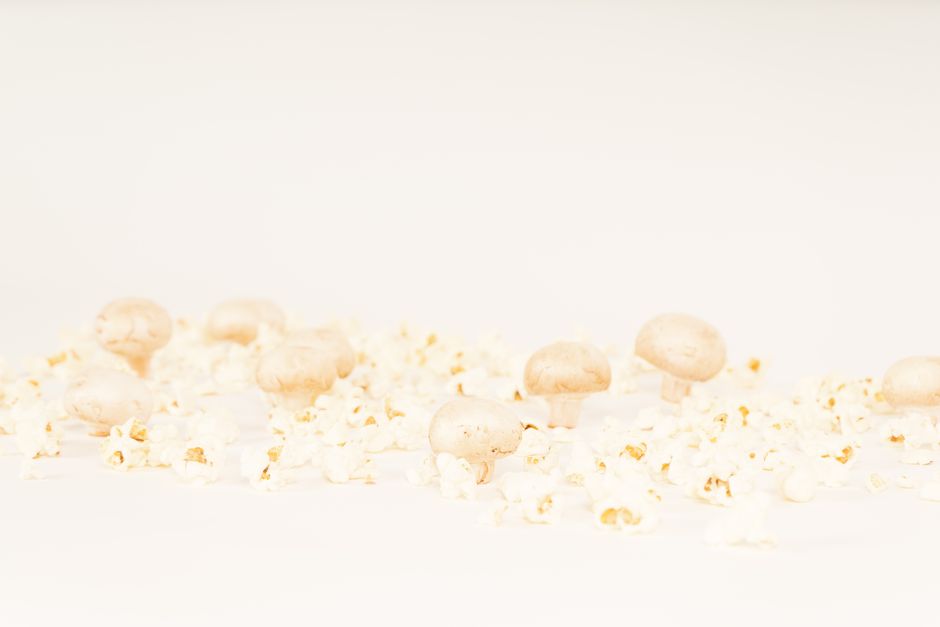
Popcorn can be a good snack for weight loss, but only if you eat it the right way. Plain, air-popped popcorn is a whole grain that is low in calories and high in fiber, which means it can help you feel full for a long time. The catch is that movie theater butter and heavy toppings can turn a healthy snack into a calorie bomb that works against your goals.
What Makes Popcorn Different From Other Snacks
Popcorn is a whole grain. Many people do not realize that. Most grains are refined during processing, which strips away the fiber-rich outer shell. Popcorn keeps its bran, germ, and endosperm intact. That matters because fiber slows down digestion and keeps blood sugar steadier than refined snacks like pretzels or crackers.
The other big advantage is volume. A serving of air-popped popcorn is about 3 cups, and that portion contains roughly 90 to 100 calories. Compare that to potato chips. About 15 chips is a serving, and that is around 150 calories. You get to eat far more popcorn for fewer calories. That volume is what helps you feel satisfied without overeating.
Popcorn also has a low energy density. Energy density is the number of calories in a given weight of food. Foods with low energy density, like popcorn, fruits, and vegetables, allow you to eat a larger amount while consuming fewer total calories. This is a well-established principle in weight management research.
How Popcorn Affects Fullness and Appetite
Feeling full after a snack is not just about the weight of the food. It is about how your stomach stretches, how slowly food moves through your digestive tract, and how your hormones respond. Popcorn hits several of these pathways at once.
The fiber in popcorn adds bulk. When you chew, the tough hulls and fluffy interior take time and effort. That chewing time gives your brain a chance to register that you have eaten. Some research suggests that the act of chewing itself can increase feelings of fullness, even before the food reaches your stomach.
One study compared people who ate popcorn to people who ate potato chips as an afternoon snack. The popcorn group reported feeling fuller and ate less at the next meal. Another study found that a 6-cup serving of air-popped popcorn was more filling than a 1-cup serving of potato chips with the same number of calories. These findings are not universal, but they point in a consistent direction: popcorn is a satisfying snack for its calorie cost.
Why Movie Theater Popcorn Is a Different Story
Air-popped popcorn is the baseline. The moment you add oil, butter, or flavored coatings, the math changes dramatically. Movie theater popcorn is often popped in coconut oil, which is high in saturated fat. A medium tub at a typical theater can contain over 1,000 calories before you even add the “butter” topping, which is usually not real butter at all.
The calorie difference is not small. A cup of air-popped popcorn has about 30 calories. A cup of popcorn popped in oil has about 55 calories. A cup of theater-style popcorn can have 80 to 120 calories or more. That might not sound like much per cup, but people rarely eat just one cup of theater popcorn. They eat the whole tub.
Sodium is another concern. Movie theater popcorn can contain over 1,000 milligrams of sodium in a single serving. The American Heart Association recommends limiting sodium to about 2,300 milligrams per day, with an ideal limit of 1,500 milligrams for most adults. One movie snack can blow through most of that allowance.


Popcorn a Good Snack for Weight Loss Compared to Other Options
Not all popcorn is created equal, and not all snacks should be replaced with popcorn. Here is how popcorn stacks up against common alternatives in terms of calories, fiber, and satiety per serving.
| Snack | Typical Serving | Approximate Calories | Fiber (grams) |
|---|---|---|---|
| Air-popped popcorn | 3 cups | 90-100 | 3.5 |
| Potato chips | 15 chips (1 oz) | 150-160 | 1 |
| Pretzels | 1 oz | 110 | 1 |
| Almonds | 1 oz (about 23 nuts) | 160-170 | 3.5 |
| Baby carrots | 12 medium | 50 | 4 |
| Rice cakes | 2 cakes | 70 | 1 |
Popcorn beats chips and pretzels on calories and fiber. It is roughly on par with almonds for fiber, but almonds pack more calories and healthy fats. Almonds are a fine choice for satiety, but they are easy to overeat because the calories add up quickly. Popcorn gives you more volume for fewer calories.
Carrots are even lower in calories, but they do not provide the same satisfaction for most people. A snack that feels too small can lead to grazing later. Popcorn’s advantage is that a 3-cup serving looks and feels like a real snack.
How to Choose the Right Popcorn at the Store
The grocery store popcorn aisle is full of traps. Microwave popcorn bags often contain added butter, oil, and salt. Many brands list a serving as “unpopped” or use confusing measurements. Some bags contain trans fats, though these are less common now than in the past.
Read the ingredient list before you buy. The ideal microwave popcorn has one ingredient: popcorn. Some brands add palm oil or other oils to help with popping. That is not automatically a problem, but the oil adds calories. A bag that says “94% fat-free” is usually a better choice than a “movie theater butter” version.
Pre-popped popcorn in bags can be a convenient option. Look for brands that use minimal oil and salt. Nutrition labels on pre-popped popcorn are more reliable than labels on microwave popcorn because the serving size reflects the final product. A good rule of thumb: if the ingredient list is longer than five items, put it back.
Some studies have raised concerns about a chemical called diacetyl, which was once used in microwave popcorn butter flavoring. That chemical has been linked to lung damage in workers who inhaled large amounts in popcorn factories. Most major manufacturers removed diacetyl from their products years ago. The risk to consumers who eat microwave popcorn is considered very low, but choosing plain popcorn eliminates the concern entirely.
The Best Way to Prepare Popcorn for Weight Loss
Air poppers are the most reliable tool for making healthy popcorn. They use hot air instead of oil, which keeps the calorie count at baseline. If you do not have an air popper, you can pop kernels in a brown paper bag in the microwave. Fold the top of the bag over twice, microwave on high for about two minutes, and listen for the popping to slow to about two seconds between pops.
If you prefer stovetop popping, you can use a small amount of oil. One tablespoon of olive oil added to a pot with a half-cup of kernels will coat the popcorn with about 120 calories of oil. That is not terrible, but it is not free. Measure the oil rather than pouring it generously.
Seasoning is where you can make or break the snack. Salt is not the enemy in small amounts, but it is easy to overdo it. Instead of reaching for the salt shaker, try these options:
- Nutritional yeast, which adds a cheesy flavor with protein and B vitamins
- Cinnamon and a light dusting of cocoa powder for a sweet option
- Garlic powder and onion powder for savory depth
- Smoked paprika or chili powder for heat
- Lemon pepper for brightness without salt
Spraying popcorn with a light mist of olive oil from a spray bottle helps seasonings stick. A few sprays add minimal calories. Avoid butter, margarine, and cheese powders, which are the primary calorie culprits.
Portion Control: How Much Popcorn Should You Eat
Even healthy popcorn can add up if you eat an entire bag. The standard serving is about 3 cups of popped popcorn. That is roughly the size of two cupped hands or a large cereal bowl. Most people eat two to three times that amount when snacking from a bag.
A practical approach is to portion out your snack before you start eating. Put 3 cups into a bowl and put the bag away. If you eat directly from the bag, you lose track of how much you have consumed. This is not about willpower. It is about removing the need for it.
For most people, one serving of air-popped popcorn as an afternoon snack is well within a weight loss calorie budget. If you are eating popcorn as part of a meal, such as a side dish with soup or salad, a half-serving is usually enough.
Who Should Be Cautious With Popcorn
Popcorn is not the right choice for everyone. People with diverticulitis were once told to avoid popcorn and nuts because of a belief that the small seeds could get trapped in intestinal pouches. Recent research has largely debunked this. The American Gastroenterological Association now says there is no good evidence that popcorn increases the risk of diverticulitis complications. That said, if you have active diverticulitis, your doctor may still recommend a low-fiber diet during the flare-up.
People with irritable bowel syndrome may find that popcorn triggers bloating or gas. Popcorn is high in insoluble fiber, which can be hard on sensitive digestive systems. If popcorn causes you discomfort, there is no reason to force it. There are plenty of other low-calorie, high-fiber snacks available.
Dental issues are another consideration. Unpopped or partially popped kernels, sometimes called “old maids,” can crack teeth or damage dental work. If you have crowns, veneers, or braces, chew carefully or avoid the hard kernels entirely.
Frequently Asked Questions
Is popcorn good for weight loss or weight gain?
Air-popped popcorn is good for weight loss because it is low in calories and high in fiber. Popcorn with butter, oil, or sugary coatings can contribute to weight gain.
How many calories are in a serving of popcorn?
A 3-cup serving of plain air-popped popcorn has about 90 to 100 calories. Oil-popped popcorn has more calories because the oil adds fat.
Can I eat popcorn every day while trying to lose weight?
Yes, you can eat popcorn daily if you keep portions reasonable and avoid heavy toppings. One serving of air-popped popcorn fits easily into most weight loss meal plans.
Is microwave popcorn healthy for weight loss?
Some microwave popcorn is healthy if the ingredient list is short and the bag is not coated in butter or oil. Plain or lightly salted versions are the best choices; “movie theater butter” varieties are not.
