
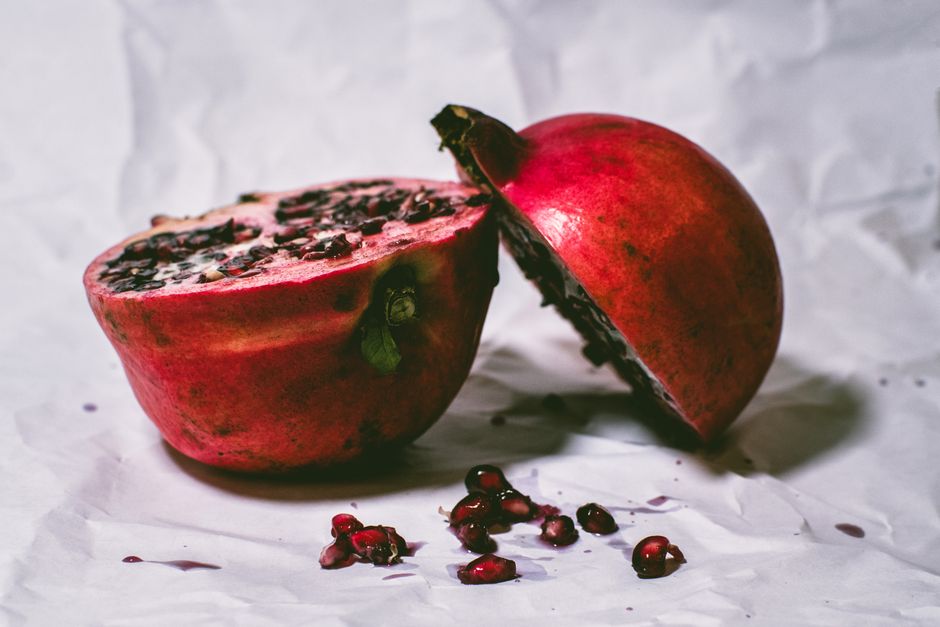
Pomegranate juice is not a treatment for a urinary tract infection. No clinical guideline recommends it for UTI, and no well-designed human trial has shown that drinking it clears an infection or prevents one. The evidence for pomegranate in urinary health is early-stage and largely laboratory-based. If you think you have a UTI, the reliable path is medical evaluation, not juice.
Is Pomegranate Juice Good For A Urinary Tract Infection?
It is not a proven remedy, and it should not replace medical care. That answer may be disappointing if you have read that pomegranate is a “natural antibiotic” for bladder infections. The claim exists, but the human evidence behind it does not.
Here is what is actually established. UTIs are usually caused by bacteria, most often Escherichia coli, entering the urinary tract. Uncomplicated infections in otherwise healthy people are typically treated with antibiotics chosen by a clinician. Pomegranate juice does not appear in any major clinical guideline for treating or preventing UTI.
The research that does exist falls into two buckets: lab-dish studies and small human studies. Lab studies have looked at pomegranate extracts against bacteria, including some urinary pathogens. Those results are interesting but limited. A compound that inhibits bacterial growth in a petri dish does not automatically do the same inside a human bladder, where it must survive digestion, reach the urinary tract in a meaningful concentration, and stay active. Most of it does not get there in any reliable way.
Small human studies have looked at pomegranate juice and markers like urinary tract infection risk in specific groups, but these are few, often small, and not confirmed by larger trials. That is not strong enough to build a recommendation on.
What Does Science Say About Pomegranate and Urinary Health?
The honest summary is that the evidence is early and indirect. Most of what circulates online traces back to laboratory work, not to trials in people with actual infections.
Pomegranate is rich in polyphenols, including ellagitannins such as punicalagin. These compounds have shown antibacterial and anti-inflammatory activity in laboratory settings. Some researchers have proposed that they might interfere with bacteria sticking to the bladder wall, which is a plausible mechanism for preventing infection. Plausible is the key word. A mechanism that looks logical in a lab is not the same as demonstrated clinical benefit in patients.
What would count as real evidence? A randomized controlled trial in people with confirmed UTIs, comparing pomegranate juice to placebo or standard treatment, with clear outcomes like symptom resolution and bacterial clearance. To date, no large, well-controlled trial of that kind has established pomegranate juice as effective for UTI. Some smaller studies have examined pomegranate in related areas of urinary and prostate health, but results are mixed and do not translate into a UTI treatment claim.
One clarification worth making: pomegranate is sometimes grouped with cranberry in “urinary health” marketing. These are different fruits with different compounds, and the evidence for cranberry is more developed than for pomegranate, though even cranberry’s role is mainly in prevention, not treatment, and its benefit is modest. Pomegranate has not earned an equivalent evidence base.
Can Pomegranate Juice Prevent UTIs?
There is no reliable evidence that it does. Prevention claims for pomegranate juice rest on laboratory findings and biological reasoning, not on trials showing fewer infections in people who drink it.
This matters because prevention is where people most often reach for juice. Recurrent UTIs are a real and frustrating problem, especially for some women. The strategies with actual supporting evidence include staying well hydrated, urinating after sex, and for some people, clinician-guided approaches such as preventive antibiotics or other prescribed measures. Whether cranberry products help prevent recurrent UTIs is debated, and the evidence is mixed, with possible modest benefit in some groups. Pomegranate has not been studied well enough to make even that qualified statement.
Drinking pomegranate juice is unlikely to harm most people, but “unlikely to harm” and “likely to help” are very different claims. Do not rely on it to prevent infections, particularly if you get them often.
What Are the Risks and Downsides of Drinking Pomegranate Juice?
For most people, pomegranate juice is safe to drink. The main concerns are sugar, calories, and drug interactions.
- Sugar content. Pomegranate juice is high in natural sugar, and many commercial juices add more. A typical serving can deliver a substantial sugar load. For people with diabetes or those watching blood sugar, whole pomegranate seeds are a better choice because they include fiber.
- Calories. Juice is calorie-dense and less filling than whole fruit, which makes it easy to overconsume.
- Medication interactions. Pomegranate juice has been reported to affect how some drugs are processed in the body, similar in principle to grapefruit juice, though the interactions are less well studied. If you take prescription medications, particularly ones with known grapefruit interactions, ask a pharmacist before making pomegranate juice a regular habit.
- Kidney concerns. Pomegranate is high in potassium. People with kidney disease who have been told to limit potassium should check with their clinician.
These are real considerations, but none of them are reasons to fear a glass of juice occasionally. The point is that juice is not a free pass, and it is not medicine.
What Actually Works For a UTI?
Antibiotics treat most uncomplicated UTIs effectively, and they are the standard of care. The choice of antibiotic and duration depends on the infection, your history, and local resistance patterns, so this is a conversation with a clinician, not a self-treatment decision.
Symptoms that suggest a UTI include burning with urination, frequent or urgent urination, cloudy or strong-smelling urine, and pelvic pressure. See a clinician for evaluation. Some infections clear on their own, but it is not possible to predict reliably who will recover without treatment, and untreated infections can spread to the kidneys.
Seek care promptly if you have fever, chills, back or side pain, nausea, or vomiting. These can signal a kidney infection, which needs timely treatment. Pregnant women, men, young children, and people with weakened immune systems should be evaluated rather than waiting or self-treating.
Supportive habits that are reasonable alongside treatment include drinking enough water and urinating when you feel the urge. These support normal bladder function, but they are not substitutes for antibiotics when antibiotics are indicated.
What About Pomegranate for Other Urinary or Prostate Issues?
Pomegranate has been studied in men with prostate concerns, and some research has looked at whether it affects markers like prostate-specific antigen (PSA) doubling time. Results have been mixed, and the studies are generally small. This is an area of ongoing research, not an established treatment.
It is worth separating “being studied” from “being recommended.” A compound can be a legitimate research interest and still have no place in clinical guidance. Pomegranate sits in that category for urinary and prostate health. If you have a prostate condition, follow the plan your clinician recommends rather than adding juice based on early research.
The Bottom Line
Pomegranate juice is a pleasant drink with some nutritional value, but it is not a UTI treatment and there is no good evidence it prevents infections. The case for it rests on laboratory findings that have not been confirmed in people with real infections.
If you have UTI symptoms, get evaluated. If you want to reduce recurrence, talk with a clinician about strategies that have actual evidence behind them. Juice can be part of a healthy diet, but it should not be part of your infection plan.
Frequently Asked Questions
Does pomegranate juice cure a UTI?
No. There is no clinical evidence that pomegranate juice cures a urinary tract infection, and antibiotics remain the standard treatment for most uncomplicated UTIs.
Can I drink pomegranate juice while taking antibiotics for a UTI?
For most people it is fine, but pomegranate juice can affect how some medications are processed. Ask a pharmacist if you take prescription drugs, especially ones with known grapefruit interactions.
Is pomegranate juice better than cranberry juice for UTIs?
No. Cranberry has a more developed evidence base than pomegranate, mainly for prevention rather than treatment, though even cranberry’s benefit is modest and debated.
How much pomegranate juice should I drink for urinary health?
No clinical guideline sets a dose of pomegranate juice for urinary health, because it is not an established treatment. Any amount marketed as a “UTI dose” is not backed by clinical guidance.
