
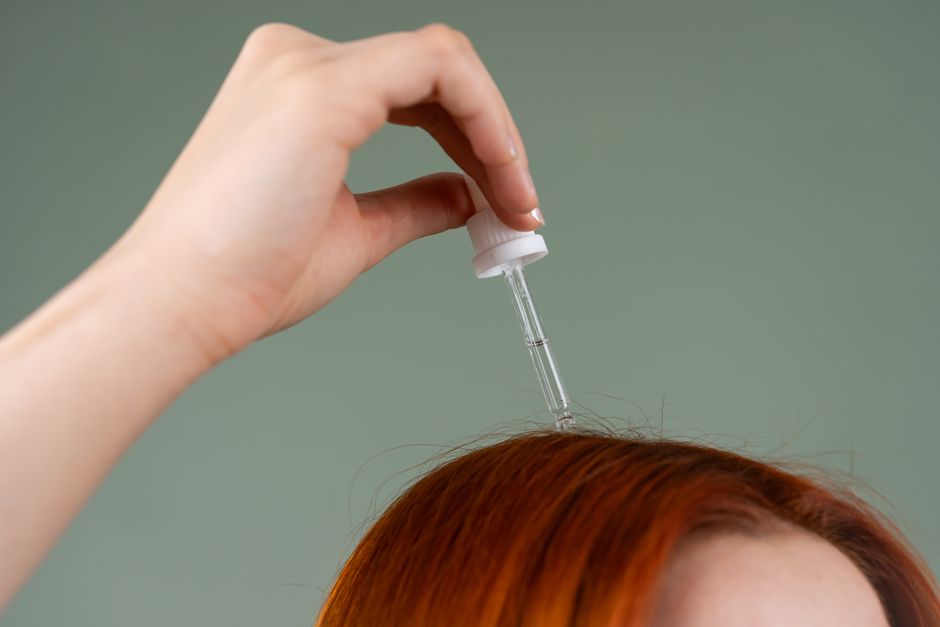
Polyquaternium-10 is not bad for hair. It is a water-soluble conditioning polymer used in shampoo, conditioner, and styling products to reduce static, improve combability, and help hair feel smoother. Regulatory bodies in the US and EU have cleared it for cosmetic use, and it does not penetrate the hair shaft or accumulate the way some people fear.
The confusion usually comes from two places. First, the word “quaternium” sounds chemical and vaguely alarming. Second, it gets lumped in with polyquaternium-80 or other film-forming polymers that can build up on certain hair types. Polyquaternium-10 is a different molecule with different behavior. It rinses out with water. That single fact separates it from most of the ingredients people worry about.
What Is Polyquaternium-10 and What Does It Do?
Polyquaternium-10 is a modified cellulose polymer. Cellulose is the structural material in plant cell walls. Chemists take that backbone and attach positively charged groups called quaternary ammonium compounds to it. The result is a large molecule that carries a positive charge along its length.
Hair in good condition carries a slight negative charge on its surface. This is why damaged or dry hair tends to frizz and fly away — the negative charges repel each other. A positively charged polymer like polyquaternium-10 adsorbs onto the negatively charged surface. It forms a thin, even layer that neutralizes some of that charge and smooths the cuticle.
The practical effects are straightforward:
- Less static electricity
- Easier detangling, especially on wet hair
- A softer feel and reduced surface friction
- Smoother appearance without heavy coating
Because the molecule is water-soluble, it does not create the persistent film that non-water-soluble silicones can leave behind. It comes off with normal washing. That is a meaningful difference, and it is the main reason dermatologists and cosmetic chemists generally do not treat polyquaternium-10 as a problem ingredient.
Is Polyquaternium 10 Bad For Hair The Real Answer?
No. For the vast majority of people, polyquaternium-10 does not damage hair, cause hair loss, or harm the scalp. It is one of the more benign conditioning ingredients in modern hair care.
The ingredient has been used in cosmetics for decades. It appears on the ingredient lists of shampoos, conditioners, leave-in treatments, and shaving products. Regulators in the US and the European Union permit its use in rinse-off and leave-on products. This is not a loophole situation — it is a well-characterized ingredient with a long safety record in topical cosmetic use.
Hair is dead tissue once it exits the follicle. Nothing you apply to the visible strand can “feed” it or repair it at a cellular level. What products can do is change how the surface behaves — how it feels, how it reflects light, how easily it slides against itself. Polyquaternium-10 improves those surface properties. That is its entire job, and it does that job without stripping or damaging the cuticle.
Where people get into trouble is not the ingredient itself but the product formulation around it. A conditioner loaded with polyquaternium-10 plus heavy silicones plus oils may leave fine hair feeling limp. That is a formulation issue, not a polyquaternium-10 issue.
Does Polyquaternium-10 Cause Hair Loss or Scalp Problems?
There is no established evidence that polyquaternium-10 causes hair loss. Hair shedding has many causes — genetics, hormones, thyroid function, iron status, stress, medications, and certain medical conditions. Attributing shedding to a conditioning polymer is almost always a misdiagnosis of the real cause.
Scalp irritation is possible with any topical ingredient, but polyquaternium-10 is not a common culprit. It has a low irritation profile compared to many surfactants and preservatives found in the same bottles. If someone reacts to a shampoo, the more likely suspects are fragrance, preservatives like methylisothiazolinone, or harsh sulfate surfactants.
One honest caveat: individual allergies exist to almost anything. A true contact allergy to polyquaternium-10 has been reported in the dermatology literature, but it is uncommon. If you develop itching, redness, or a rash after starting a new product, stop using it and see a dermatologist. Patch testing can identify the actual trigger. Do not assume it is the polyquaternium-10 without evidence.
Does Polyquaternium-10 Build Up on Hair?
Less than most people assume. Because polyquaternium-10 is water-soluble, it does not resist removal the way some silicones do. A normal wash with a cleansing shampoo removes it.
Build-up complaints usually trace back to one of these:
- Heavy use of leave-in products without periodic clarifying
- Co-washing only, with no surfactant-based wash for long stretches
- Layering many conditioning products that each deposit a film
- Non-soluble silicones in other products in the routine
If hair feels coated or weighed down, the fix is usually a clarifying shampoo used occasionally, not eliminating polyquaternium-10. The polymer itself is not the residue that lingers.
Here is a point worth clarifying. “Water-soluble” does not mean “instantly gone.” It means the polymer can be removed with water and mild surfactants under normal washing conditions. That is the standard that matters for cosmetic ingredients. It is a meaningfully different category from dimethicone and similar silicones that require stronger surfactants to remove fully.
Who Should Be Careful With Polyquaternium-10?
Most people can use it without issue. A few groups may want to pay closer attention.
People with very fine hair sometimes find that any conditioning polymer adds weight. This is a texture preference, not a safety concern. If fine hair falls flat, try a lighter conditioner or use the polymer-containing product only on the ends.
People with a known contact allergy to quaternary ammonium compounds should check labels. Cross-reactivity is not guaranteed, but it is worth discussing with a dermatologist if you have had reactions to similar ingredients.
People following a strict “no polymers” or “clean beauty” approach often avoid it on principle. That is a personal choice. It is not backed by evidence that the ingredient is harmful.
For pregnancy and breastfeeding, no specific clinical guidelines flag polyquaternium-10 as a concern for topical cosmetic use. It is not systemically absorbed to a meaningful degree through intact skin. If you have specific questions during pregnancy, ask your doctor rather than relying on general internet claims.
How Does Polyquaternium-10 Compare to Other Conditioning Ingredients?
It helps to see where it sits relative to common alternatives. The table below reflects general properties, not head-to-head clinical trials.
| Ingredient | Water-Soluble | Main Effect | Build-Up Risk |
|---|---|---|---|
| Polyquaternium-10 | Yes | Light conditioning, anti-static | Low |
| Polyquaternium-80 | No | Strong conditioning, film-forming | Higher |
| Dimethicone | No | Smoothing, shine, slip | Moderate to high |
| Behentrimonium chloride | Partly | Detangling, softness | Low to moderate |
| Glycerin | Yes | Humectant, holds moisture | Very low |
The key takeaway: polyquaternium-10 sits on the lighter, more removable end of the conditioning spectrum. It is not the heavy-hitter that causes the coated feeling people complain about.
Should You Avoid Polyquaternium-10?
There is no evidence-based reason to avoid it. If your hair and scalp tolerate your current products, there is nothing to fix.
If you are troubleshooting a specific problem — shedding, breakage, scalp irritation, or limpness — look at the whole picture. Product ingredients are one variable. Hormonal changes, nutritional status, heat styling, chemical treatments, and underlying health conditions matter far more for hair outcomes than any single conditioning polymer.
The internet has a way of turning unfamiliar ingredient names into villains. Polyquaternium-10 does not deserve that reputation. It is a well-studied, water-soluble conditioning agent that does a modest job well. If it works for your hair, keep using it. If your hair feels heavy, adjust your routine rather than fearing the ingredient.
Frequently Asked Questions
Is polyquaternium-10 safe for hair?
Yes, it is considered safe for topical hair use and has been used in cosmetics for decades. It is water-soluble and does not penetrate the hair shaft.
Does polyquaternium-10 cause hair loss?
No established evidence links polyquaternium-10 to hair loss. Shedding is typically caused by genetics, hormones, nutrition, stress, or medical conditions rather than conditioning polymers.
Can polyquaternium-10 build up on hair?
Build-up risk is low because the polymer is water-soluble and rinses out with normal washing. Coating usually comes from other products in the routine, not this ingredient.
Is polyquaternium-10 the same as silicone?
No, it is a modified cellulose polymer, not a silicone. It is water-soluble, while many silicones are not, which makes it easier to remove.
