
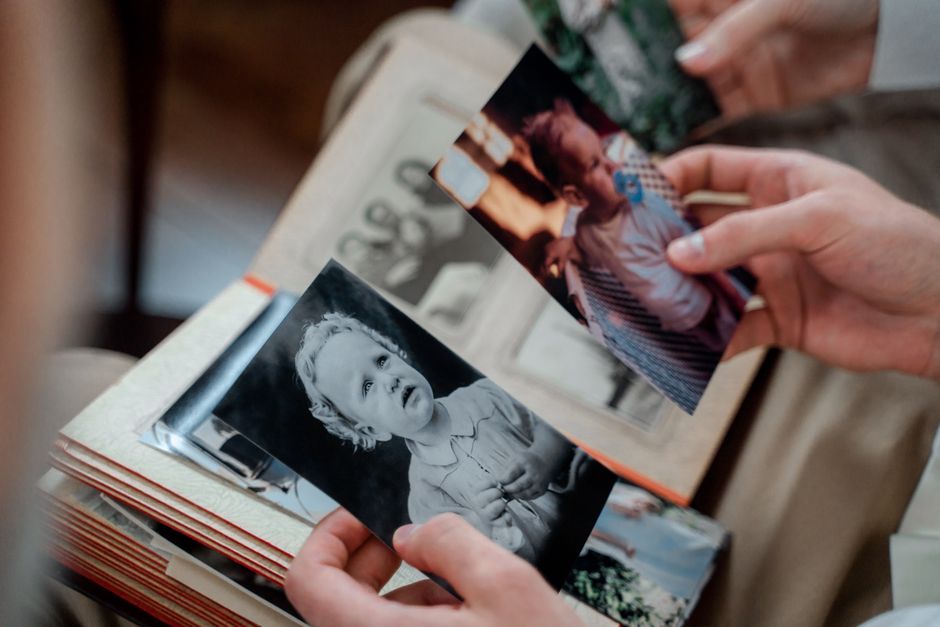
Most people do not have a photographic memory, and the term itself is more myth than medical fact. Science has not found a single “photographic memory gene,” but research shows that memory ability does have a genetic component. The reality is more nuanced: genetics influence your baseline memory capacity, but the extraordinary memory feats people call “photographic” are usually learned skills, not inherited gifts.
What Is Photographic Memory, Really?
The phrase “photographic memory” suggests the brain works like a camera — capturing an exact image that can be recalled perfectly later. Neuroscience does not support this idea. The brain does not store images like files on a hard drive. Memory is reconstructive, meaning you rebuild a memory each time you recall it, and that rebuilding process can introduce errors.
Researchers have studied people who claim to have photographic memory. In controlled tests, their recall is excellent but not perfect. They make mistakes, just like everyone else. The closest documented phenomenon is called eidetic imagery, which occurs mainly in children. A child with eidetic imagery can look at a picture, then describe it in detail after the image is removed. This ability typically fades by adulthood and is not the same as permanent, perfect recall.
Is Photographic Memory Genetic What Science Says About DNA
No single gene has been identified that gives a person photographic memory. However, twin studies and family studies show that memory abilities run in families. Identical twins, who share 100% of their DNA, have more similar memory test scores than fraternal twins, who share about 50% of their DNA. This pattern suggests a heritable component to general memory function.
Heritability estimates for memory range widely depending on the type of memory tested. Some studies suggest that working memory and long-term memory have heritability between 30% and 60%. That means genetics explain a meaningful portion of why some people remember more easily than others. But it also means environmental factors — education, practice, sleep, stress — account for the rest.
Specific genes linked to memory performance have been studied. One example is the BDNF gene, which influences a protein important for brain plasticity and memory formation. Certain variants of this gene are associated with better memory performance in some studies. However, these effects are small. No one carries a gene that guarantees photographic recall, and no test can predict memory ability from DNA alone.
How Memory Champions Actually Do It
People who win memory competitions — memorizing thousands of digits or the order of shuffled cards — are not born with special brains. Research has studied these individuals using brain imaging. Their brains show no structural differences from average people. What sets them apart is technique and practice.
Most memory athletes use a method called the method of loci, also known as the memory palace. This technique involves visualizing a familiar place, like your home, and mentally placing items you want to remember at specific locations along a route. To recall the items, you mentally walk through the space. This technique leverages the brain’s natural strength at spatial navigation, which evolved long before written language.
In one well-documented case, a man with average memory trained for months using these techniques. After training, his memory performance improved dramatically, and brain scans showed his neural activity began to resemble that of world-class memory athletes. His genetics had not changed. His skills had.




What Twin Studies Tell Us About Memory and Intelligence
Twin studies remain the strongest evidence that memory has a genetic foundation. These studies compare identical twins raised together and apart, which helps separate genetic influence from upbringing. Findings consistently show that memory performance correlates more strongly between identical twins than between fraternal twins.
Memory is also linked to general intelligence, which itself is highly heritable. Estimates suggest general intelligence has a heritability of about 50% to 80% in adults. Working memory, a component of intelligence, shows similar patterns. People with strong working memory tend to learn faster and retain information longer, and this capacity appears partly influenced by genetics.
But inherited potential is not destiny. A person with strong genetic memory potential who never practices or learns effective strategies will not perform as well as someone with average potential who trains deliberately. The brain is plastic — it changes with use. This plasticity is the reason memory training works regardless of genetic starting point.
Can You Train Your Memory Like a Muscle
Yes, memory responds to training. This is one of the most consistent findings in cognitive psychology. Repeated practice with specific techniques improves recall, and the improvements transfer to new material. The brain forms new neural connections when you practice, strengthening the pathways used for encoding and retrieving information.
Effective memory training includes several evidence-based strategies:
- Spaced repetition — reviewing material at increasing intervals, which strengthens long-term retention
- Active recall — testing yourself instead of rereading, which forces the brain to retrieve information
- Elaborative encoding — connecting new information to things you already know, which creates richer memory traces
- Sleep — memory consolidation happens during sleep, particularly deep sleep and REM sleep
No training method turns an average memory into a perfect one. But consistent practice produces measurable, meaningful improvement. The people who seem to have photographic memory are often simply people who have practiced memory techniques for years, sometimes without realizing that is what they are doing.
Why Some People Remember Faces or Numbers Easily
Some people genuinely excel at specific types of memory. A person might remember faces effortlessly but forget names. Another might recall numbers with ease but struggle with directions. This variation is normal and reflects how the brain organizes different types of information.
Face recognition, for example, relies on specialized brain regions, including the fusiform face area. Some people have a condition called prosopagnosia, or face blindness, where this region does not function normally. At the other extreme are people with superior face recognition who can identify faces they saw years ago. Research suggests this ability has a genetic component, but it is not “photographic” — it is a specialized skill within a narrow domain.
Superior autobiographical memory, sometimes called hyperthymesia, is a documented but extremely rare condition. People with this condition can recall specific dates and events from their own lives with unusual accuracy. Researchers have studied only a small number of these individuals. Brain scans show structural differences in regions related to memory and emotion, but no genetic marker has been identified, and the condition is so rare that it is difficult to study systematically.
The Bottom Line on Memory and Genetics
Genetics influence memory. That is well established. But the idea of a photographic memory — a perfect, permanent, image-like record of everything you have seen — is not supported by science. No one has demonstrated this ability under controlled conditions, and no gene produces it.
What genetics do provide is a baseline. Some people start with a stronger memory foundation. That foundation can be built upon with practice, or neglected. The brain rewards use. People who challenge their memory with reading, learning new skills, and deliberate practice tend to maintain and improve their recall throughout life.
If you want a better memory, the evidence points to training rather than hoping for good genes. Use spaced repetition. Test yourself. Get enough sleep. These strategies work for most people, regardless of their genetic starting point. The people with “photographic” memories are not born different — they have simply learned to use their brains more effectively.
Frequently Asked Questions
Is photographic memory a real thing?
No controlled study has confirmed that true photographic memory exists in adults. The term describes a myth rather than a scientifically documented ability, and even the closest documented phenomenon, eidetic imagery, fades with age.
Can you inherit a good memory from your parents?
Memory ability has a genetic component, with twin studies showing that identical twins perform more similarly on memory tests than fraternal twins. However, genetics set a range of potential, and training, sleep, and practice determine how much of that potential you realize.
How can I improve my memory if I was not born with a good one?
Evidence-based techniques like spaced repetition, active recall, and connecting new information to existing knowledge produce measurable improvement. Memory training changes the brain’s neural connections, which is why practice works regardless of genetic baseline.
Are memory champions born with special brains?
Brain scans of memory champions show no structural differences from average brains. Their performance comes from years of deliberate practice with specific techniques like the method of loci, not from inherited advantages.
