
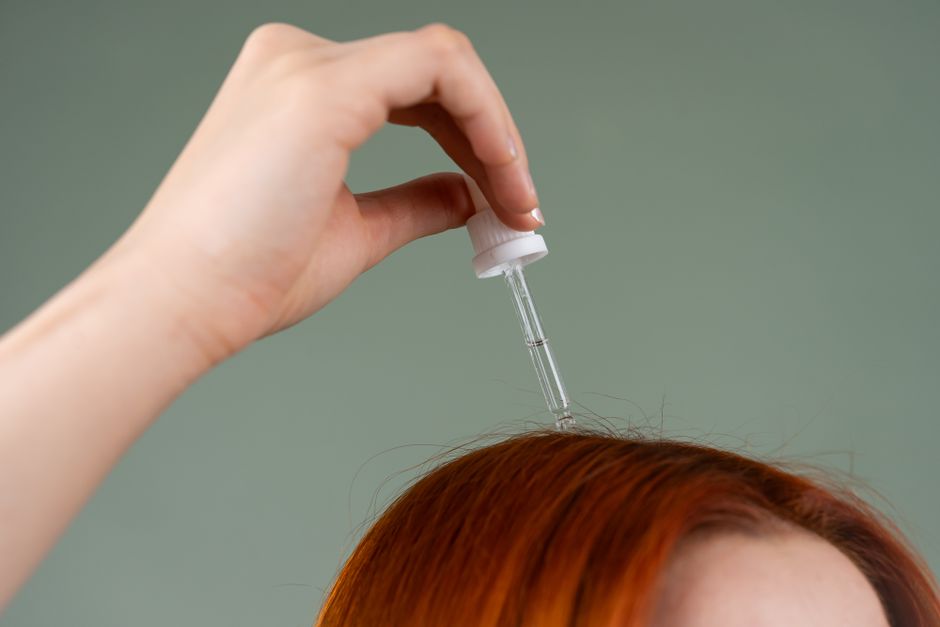
Phenoxyethanol is a common preservative found in many shampoos, conditioners, and styling products. For most people, it is safe to use on hair and scalp at the low concentrations allowed in cosmetics. It is not a known carcinogen, and it does not strip the hair or damage the scalp when used as directed. However, it can cause irritation for some people, particularly those with sensitive skin or existing scalp conditions like eczema.
What Is Phenoxyethanol and Why Is It in Hair Products?
Phenoxyethanol is a colorless, slightly oily liquid used as a preservative. It prevents bacteria, yeast, and mold from growing in water-based products. Without preservatives, your shampoo would spoil quickly and could become a breeding ground for harmful microbes.
It was introduced as a safer alternative to parabens, which many consumers became concerned about. Phenoxyethanol is now one of the most widely used preservatives in the cosmetics industry. You will find it in everything from baby wipes to high-end hair serums.
The concentration matters. Regulatory bodies like the FDA and the European Union’s cosmetics regulation allow phenoxyethanol at concentrations up to 1% in finished products. At this level, it is considered safe for use on skin and hair.
Is Phenoxyethanol Bad For Hair and Scalp Health?
Phenoxyethanol does not damage hair proteins or strip natural oils. It is not a detergent, so it does not affect the hair shaft the way sulfates do. Its only job is preservation. Once it is in the product, it sits on the surface of the hair and scalp briefly before being rinsed away.
For the scalp, the picture is slightly more complex. The scalp is skin, and phenoxyethanol can penetrate it. The scientific consensus is that at 1% or less, this penetration does not cause harm in healthy individuals. The Cosmetic Ingredient Review panel has concluded that phenoxyethanol is safe for use in cosmetics at these levels.
The concern that some people raise is about allergic contact dermatitis. This is a delayed allergic reaction that causes redness, itching, and flaking. It is real but uncommon. Studies estimate that roughly 1% of people who are patch-tested for cosmetic allergies react to phenoxyethanol. If you have never had a reaction to it, you are unlikely to develop one suddenly.
Who Should Avoid Phenoxyethanol in Hair Care?
People with known sensitivities should avoid it. If you have experienced burning, stinging, or a rash after using a product that contains phenoxyethanol, you should stop using it. This is a clear sign that your skin does not tolerate the ingredient.
People with severe eczema or compromised skin barriers may also react more easily. When the skin barrier is broken, ingredients penetrate deeper and can trigger inflammation. If your scalp is already red, cracked, or weeping, introduce any new product with caution. Look for preservative-free options or products that use alternatives like potassium sorbate or sodium benzoate.
Pregnant women often ask about this ingredient. The available evidence does not show that phenoxyethanol at cosmetic concentrations poses a risk during pregnancy. However, no large human studies have specifically examined this. If you are concerned, speak with your obstetrician and consider switching to a simpler product during pregnancy.



How Can You Tell If Phenoxyethanol Is Irritating Your Scalp?
Irritation from phenoxyethanol looks like other forms of contact dermatitis. You may notice itching within hours or days of using a product. The scalp may become red, tender, or develop small bumps. Some people report a burning sensation immediately after application.
Flaking is a common symptom, but it is easily confused with dandruff. The difference is timing. If your flaking started when you changed products, the new product is the likely culprit. Dandruff tends to be chronic and unrelated to specific product changes.
If you suspect phenoxyethanol is the problem, do a patch test. Apply a small amount of the product behind your ear or on your inner forearm twice daily for five to seven days. If no reaction appears, the ingredient is not causing your symptoms. If a reaction appears, the ingredient is a likely trigger.
Keep in mind that hair products contain many ingredients. Phenoxyethanol may not be the cause of your irritation. Fragrances, essential oils, and certain surfactants are far more common allergens. Do not assume phenoxyethanol is guilty without testing.
What Are the Alternatives to Phenoxyethanol in Hair Products?
Several other preservatives are commonly used in place of phenoxyethanol. Each has its own safety profile and potential for irritation.
- Potassium sorbate is a mild preservative derived from sorbic acid. It is less effective against bacteria than phenoxyethanol, so products using it may have shorter shelf lives.
- Sodium benzoate is another mild option. It works best in acidic formulations and is generally well tolerated.
- Ethylhexylglycerin is often paired with phenoxyethanol but is also used alone. It is a skin conditioner with mild antimicrobial properties.
- Benzyl alcohol is an effective preservative but can be drying and may cause irritation in sensitive individuals.
- Fragrance-free, preservative-free formulations exist but require special packaging and shorter use periods. They are not automatically safer.
No preservative is completely free of irritation potential. The goal is to find one that your skin tolerates while keeping the product safe from microbial growth. A product without any preservative is not a better choice — it is a riskier one.
What Does the Research Actually Say About Phenoxyethanol Safety?
The scientific literature on phenoxyethanol is extensive but not alarming. Animal studies from the 1990s raised questions about reproductive toxicity at very high doses. These doses were hundreds of times higher than what a person would encounter in a shampoo. Later reviews have concluded that these findings are not relevant to cosmetic use.
Human studies have focused on skin irritation and allergy. A review of patch test data from dermatology clinics found that phenoxyethanol reactions occur but are uncommon. The rate is low enough that it is not included in standard allergen screening panels in many countries.
One area of ongoing interest is the interaction between phenoxyethanol and other ingredients. Some research suggests that it can increase the penetration of other chemicals through the skin. This is a theoretical concern, not a demonstrated harm. No clinical evidence currently confirms that this leads to negative health outcomes in real-world use.
The bottom line from the evidence: phenoxyethanol is not a hazard at cosmetic concentrations for the general population. It is a well-studied, effective preservative that has been used safely for decades.
How to Choose a Hair Product That Works for Your Scalp
Start by knowing your scalp type. Oily, dry, and sensitive scalps have different needs. A product that works for one person may cause problems for another, regardless of its preservative system.
Read the full ingredient list, not just the marketing claims. “Natural” and “clean” labels do not guarantee that a product is gentler. Some natural ingredients are potent allergens. The preservative is only one part of the formula.
If you have a history of reactions, choose products with short ingredient lists. Fewer ingredients mean fewer potential triggers. It also makes it easier to identify the cause if you do react.
Introduce one new product at a time. Use it for at least two weeks before adding anything else to your routine. This gives you time to notice any delayed reactions. If your scalp is happy, keep the product. If not, stop and try something else.
Frequently Asked Questions
Can phenoxyethanol cause hair loss?
There is no evidence that phenoxyethanol causes hair loss. It does not affect hair follicles or the hair growth cycle. If your scalp becomes inflamed from irritation, temporary shedding can occur, but this is a reaction to the inflammation, not the ingredient itself.
Is phenoxyethanol safe for daily use on the scalp?
Yes, for most people, daily use is safe. At concentrations up to 1%, phenoxyethanol has a strong safety record in cosmetics. If you have sensitive skin, monitor your scalp for signs of irritation and adjust your routine if needed.
What is the difference between phenoxyethanol and parabens?
Phenoxyethanol and parabens are both preservatives, but they are chemically different. Parabens were widely used until consumer concern about their potential hormone-disrupting effects led many brands to switch. Phenoxyethanol is not a hormone disruptor and is now the more common choice.
Does phenoxyethanol build up in the body over time?
No, phenoxyethanol does not accumulate in the body. It is rapidly metabolized and excreted through urine. The small amounts absorbed from cosmetic use are broken down quickly and do not remain in tissues.
