
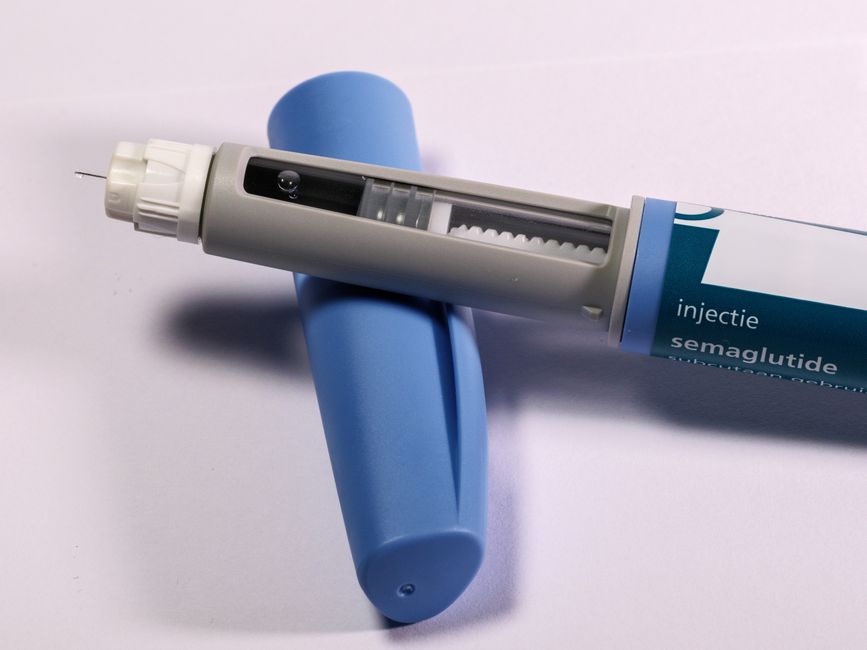
Peptide therapy is almost never covered by insurance. With rare exceptions, health insurers in the United States classify peptide products as cosmetic, experimental, or not medically necessary — three labels that reliably end in a denial letter. That means most people pay out of pocket, and the cost can run from under a hundred dollars a month to several thousand, depending on the peptide and the clinic.
The word “peptide” covers a huge range of substances. Some are FDA-approved prescription drugs with real clinical evidence behind them. Others are sold online as “research chemicals” with no oversight at all. Insurance treats these categories very differently, and so should you.
What Are Peptides, Exactly?
Peptides are short chains of amino acids — the same building blocks that make up proteins, just in smaller strings. Many hormones your body already makes are peptides, including insulin, growth hormone, and glucagon. That is why some peptides can do real things in the body, and why some require a prescription.
The confusion starts because “peptide therapy” has become a marketing term. It is used to describe everything from FDA-approved drugs like semaglutide to unregulated vials sold on websites that say “not for human consumption” in small print. These are not the same thing, and lumping them together makes it hard to know what you are actually buying.
A useful distinction: peptides that are FDA-approved have gone through clinical trials, have known dosing, and have a documented safety profile. Peptides sold without approval typically have none of that. The gap between those two categories is where most of the insurance question lives.
Is Peptide Therapy Covered By Insurance Or Out Of Pocket?
For the vast majority of peptide products marketed as “therapy,” the answer is out of pocket. Insurance companies generally will not pay for treatments they classify as cosmetic, weight-loss related without a covered diagnosis, or investigational.
There are narrow exceptions. If a peptide is FDA-approved for a specific medical condition and your doctor prescribes it for that condition, insurance may cover it. Semaglutide (sold as Ozempic and Wegovy, among other brand names) is one example. It is approved for type 2 diabetes and, in certain formulations, for chronic weight management. Coverage varies widely by plan and by diagnosis.
Even then, coverage is not guaranteed. Many plans cover semaglutide for diabetes but not for weight loss. Some require prior authorization. Some require a documented trial of other treatments first. Some exclude weight-loss drugs entirely.
Outside of a handful of approved drugs, most peptides — including those sold at wellness clinics for anti-aging, recovery, or “optimization” — are not covered. You pay the full price.
Which Peptides Have Any Chance Of Insurance Coverage?
Coverage hinges on three things: FDA approval, a covered diagnosis, and your specific plan’s rules. A peptide that fails any of these is almost always self-pay.
Peptides that are FDA-approved for a medical indication are the only ones with a realistic path to coverage. That list is short. It includes certain formulations of semaglutide and liraglutide for diabetes and weight management, and a small number of other peptide-based drugs used for specific conditions under specialist care.
Peptides commonly sold at clinics but not FDA-approved for general use — BPC-157, TB-500, ipamorelin, CJC-1295, and similar products — are not covered by insurance. They are also not approved by the FDA for human use in most cases. That is a separate issue from cost, and arguably a more important one.
Some clinics offer these as “compounded” versions. Compounding is a legitimate pharmacy practice in certain situations, but it is not the same as FDA approval. A compounded peptide has not been through the same safety and effectiveness review as an approved drug.





Why Do Insurers Deny Peptide Claims?
Insurers deny claims for reasons that are specific and predictable. Understanding them helps you know what to expect before you spend money.
- Not medically necessary. If the peptide is being used for general wellness, anti-aging, or performance rather than to treat a diagnosed condition, most plans exclude it.
- Cosmetic or lifestyle. Many plans explicitly exclude treatments classified as cosmetic or related to weight loss without a qualifying diagnosis.
- Investigational or experimental. If a peptide lacks FDA approval for the condition being treated, plans often label it investigational and deny.
- Not a covered benefit. Some plans simply do not include peptide therapy as a category, regardless of diagnosis.
- Compounded products. Even when a plan covers an approved drug, it may not cover a compounded version of the same ingredient.
These categories are not arbitrary. Insurance is built around covering treatments with established evidence for a specific condition. When a treatment sits outside that framework, denial is the default.
What Does Peptide Therapy Actually Cost Out Of Pocket?
Costs vary enormously, and there is no standard price. What you pay depends on the peptide, the dose, the clinic, and whether the product is compounded or brand-name.
For FDA-approved drugs like semaglutide, list prices without insurance can be very high — often hundreds to over a thousand dollars per month depending on the product and dose. Manufacturer savings programs sometimes reduce this for eligible patients, though eligibility rules vary.
For clinic-sold peptides that are not FDA-approved, prices are set by the clinic, not by any standard. A monthly supply might run from under a hundred dollars to several hundred. There is no pricing transparency, and no regulatory body setting or checking these numbers.
You should also expect costs beyond the product itself: consultation fees, lab work, follow-up visits, and sometimes a membership or program fee. These add up, and they are frequently not disclosed upfront.
| Category | Typical insurance status | Who pays |
|---|---|---|
| FDA-approved peptide drugs for a covered diagnosis | May be covered, often with prior authorization | Plan, subject to rules |
| FDA-approved drugs for a non-covered use (e.g., weight loss when excluded) | Usually denied | You |
| Compounded versions of approved drugs | Often denied | You |
| Non-approved clinic peptides (BPC-157, ipamorelin, etc.) | Not covered | You |
| Online “research chemical” peptides | Not covered, and not legally sold for human use | You, at your own risk |
Are There Safety Concerns With Unapproved Peptides?
Yes, and this matters more than the cost question. Peptides sold without FDA approval have not been reviewed for safety, purity, or accurate labeling.
Independent testing of products sold online has repeatedly found that what is on the label does not always match what is in the vial. Some products contain the wrong peptide, the wrong dose, or contaminants. Because these products are not regulated as drugs, there is no guarantee of sterility or consistency.
Even for peptides that appear biologically plausible, plausibility is not proof of benefit. A peptide doing something in a lab dish or an animal study does not mean it works or is safe in people. That is the entire reason clinical trials exist.
If you are considering a peptide, the honest position is this: for FDA-approved drugs used for their approved indications, there is evidence to weigh. For everything else sold as “peptide therapy,” the evidence is limited or absent, and the product quality is uncertain.
How Can You Find Out If Your Plan Covers A Specific Peptide?
You have to ask directly, and you have to ask the right question. General questions get general answers that may not apply to you.
Start with your plan’s formulary — the list of covered drugs. If the peptide is not on it, coverage is unlikely. If it is, check whether your diagnosis is a covered indication.
Then ask about prior authorization requirements. Many peptide drugs require the doctor to submit documentation before the plan will pay. Even approved drugs can be denied without this step.
Finally, ask what your out-of-pocket cost would be if the claim is denied. Get this in writing if you can. Clinics that sell peptides often know their products are not covered, and some will not volunteer that information.
One practical note: a denial is not always final. Some plans have an appeals process, and a doctor’s letter documenting medical necessity can sometimes change the outcome. This works more often for approved drugs used for a recognized condition than for unapproved peptides used for general wellness.
What Should You Keep In Mind Before Paying Out Of Pocket?
If you are paying yourself, you are also taking on the full risk. Insurance denial is not just about money — it often reflects that a treatment has not met the standard of evidence a plan requires.
Ask what condition the peptide is meant to treat, and whether there is strong evidence it works for that condition. Ask whether the product is FDA-approved or compounded. Ask who made it and where it came from. If a clinic cannot answer these clearly, that is information too.
None of this means every peptide is worthless. It means the category is broad, the regulation is uneven, and the marketing often runs ahead of the evidence. Paying out of pocket is a financial decision. It is also a decision about what you are putting into your body.
Frequently Asked Questions
Is peptide therapy covered by insurance?
Most peptide therapy is not covered by insurance because plans classify it as cosmetic, experimental, or not medically necessary. Coverage is possible only for a small number of FDA-approved peptide drugs prescribed for a covered diagnosis.
Does insurance cover BPC-157 or ipamorelin?
No. These peptides are not FDA-approved for human use, so insurance does not cover them. They are sold as out-of-pocket products, often without proof of safety or effectiveness.
Why was my peptide claim denied?
Common reasons include the treatment being deemed not medically necessary, cosmetic, investigational, or excluded from your plan. A missing prior authorization can also cause a denial even for a covered drug.
Can I appeal an insurance denial for peptide therapy?
Yes, most plans have an appeals process, and a doctor’s letter documenting medical necessity can sometimes reverse a denial. Appeals are more likely to succeed for FDA-approved drugs used for a recognized condition than for unapproved peptides.
