
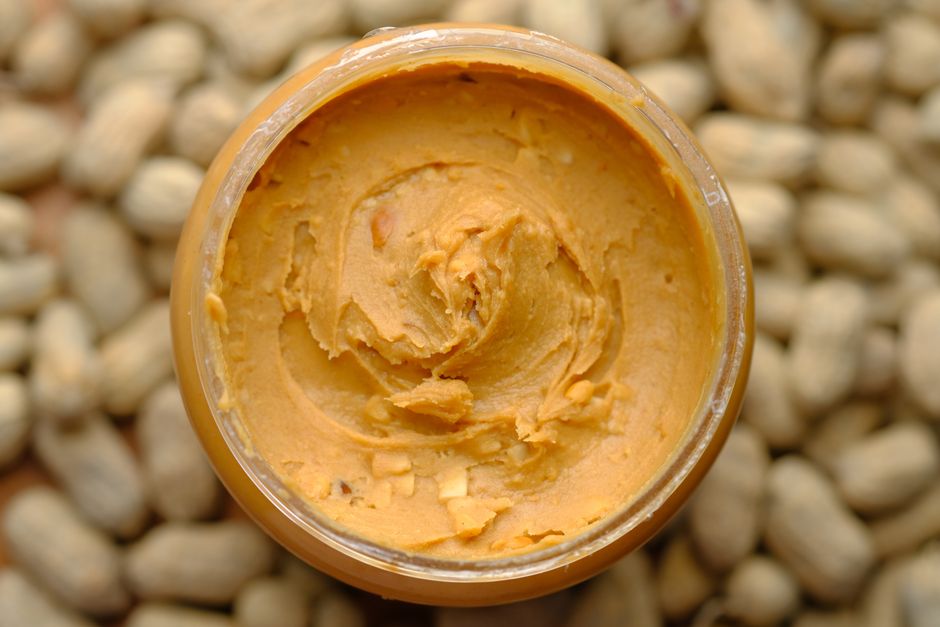
No, peanut butter is not allowed on a low-residue diet before a colonoscopy. It contains too much fiber and fat to count as low-residue, and most colonoscopy prep instructions tell you to avoid it in the days before the procedure. If you are preparing for a colonoscopy, leave peanut butter off your plate until after the exam is done and your doctor clears you to eat normally.
That short answer matters more than it might seem. Poor prep is one of the most common reasons a colonoscopy has to be repeated or delayed. What you eat in the days beforehand affects how clean your colon is, and a clean colon is what lets the doctor see the lining clearly. Peanut butter is a small food with a big fiber and fat footprint, and it is one of the more common mistakes people make during prep.
Is Peanut Butter Low Residue For A Colonoscopy?
Peanut butter is not low residue. Residue refers to undigested food material and fiber that stays behind in the colon. Peanut butter is high in both fiber and fat, so it fails on two counts.
A typical two-tablespoon serving of peanut butter contains roughly 2 grams of fiber and about 16 grams of fat. That fat content is the part many people overlook. Fat slows digestion and can leave a greasy film in the colon that makes it harder to get a clear view. For colonoscopy prep, the goal is food that moves through quickly and leaves almost nothing behind.
This is why peanut butter shows up on the “avoid” list of most bowel prep instructions. It is dense, sticky, and slow to clear. Even natural peanut butter with no added sugar is still high in fat and fiber, so switching brands does not solve the problem.
What Does A Low-Residue Diet Actually Mean?
A low-residue diet limits foods that leave undigested material in your colon. The idea is to reduce stool volume and make the colon easier to clean out before the procedure.
Low-residue does not mean low-fiber in the strictest sense, though the two overlap heavily. Residue includes fiber but also things like seeds, skins, nuts, and tough connective tissue in meat. The diet is usually followed for a set number of days before the procedure, and then it shifts to a clear liquid diet the day before.
Foods generally allowed on a low-residue diet include:
- White bread, white rice, and plain pasta
- Eggs, plain chicken, and fish
- Clear broths and strained soups
- Well-cooked vegetables without skins or seeds
- Bananas and other soft, low-fiber fruits
- Clear juices, plain water, and black coffee or tea
Foods generally avoided include whole grains, nuts, seeds, raw vegetables, beans, popcorn, and — yes — peanut butter. Your own doctor’s instructions may vary, and those instructions always take priority over any general list.
Why Does Peanut Butter Cause Problems Before A Colonoscopy?
Peanut butter is calorie-dense and slow to digest, and both traits work against a clean colon. The fiber adds bulk that has to be cleared out. The fat coats and slows things down.
Think about the texture. Peanut butter is thick and sticky. That same quality that makes it satisfying on toast is what makes it linger in the digestive tract. During prep, you are trying to flush the colon completely. Foods that resist that flush make the job harder.
There is also a practical issue. Many people eat peanut butter as a quick protein source during prep because they feel hungry on a restricted diet. It seems like a healthy choice. For colonoscopy prep specifically, it is not.
How Long Before A Colonoscopy Should You Stop Eating Peanut Butter?
Stop eating peanut butter when you start your low-residue diet, which is usually a few days before the procedure. The exact timing depends on your doctor’s instructions.
Most colonoscopy prep protocols ask you to begin a low-residue diet several days ahead, then switch to clear liquids the day before. Some doctors use a shorter window. Others use a longer one, especially for people with a history of poor prep or certain medical conditions.
Follow the schedule your gastroenterologist gives you. Do not shorten it because you feel fine. A clean colon is not something you can judge by how you feel — it depends on what has actually cleared out, and that is what the doctor sees on the screen.
What Can You Eat Instead Of Peanut Butter During Prep?
You have plenty of low-residue options that still provide protein and calories. The goal is food that is easy to digest and leaves little behind.
Good choices during the low-residue phase include:
- Scrambled or boiled eggs
- Plain white toast with a small amount of butter or jelly without seeds
- Skinless chicken or white fish
- White rice and plain pasta
- Clear broth and strained vegetable soup
- Canned fruit in syrup, drained
If you are looking for a protein spread, there is no true low-residue substitute for peanut butter that most prep instructions endorse. The safest approach is to skip spreads altogether during the low-residue phase and get protein from eggs, poultry, fish, or clear protein drinks if your doctor approves them.
Once you move to the clear liquid phase, food is off the table entirely. Clear liquids typically include water, clear broth, clear juice without pulp, plain gelatin, and black coffee or tea. Nothing opaque, nothing with pulp, and nothing you cannot see through.
Does The Type Of Peanut Butter Matter?
No. Natural, crunchy, creamy, reduced-fat, or no-stir — none of these qualify as low residue. The fat and fiber content stays high across the board.
Reduced-fat peanut butter often has added sugar or fillers to make up for the missing fat, which does not help. Powdered peanut butter products are lower in fat, but they still contain fiber and protein from peanuts, and they are not on standard low-residue lists. Even if a powdered product looks lighter, it has not been studied for colonoscopy prep, and no clinical guidance supports using it during the restricted phase.
The simplest rule: if it is made from peanuts, it does not belong in your prep diet.
What Happens If You Eat Peanut Butter By Mistake?
Do not panic, but do tell your care team. A single slip is unlikely to ruin your prep, but it can affect how clean your colon is, and the doctor should know.
Call your gastroenterologist’s office and explain what you ate and when. They can tell you whether to adjust anything, extend your prep, or take other steps. In some cases they may simply note it and proceed. In others they may recommend extra cleansing measures.
Do not try to fix it on your own by skipping fluids or changing your prep solution dose. Those instructions are carefully designed, and changing them without guidance can make things worse. The prep solution and timing matter as much as the diet.
The Bottom Line On Peanut Butter And Colonoscopy Prep
Peanut butter is not low residue, and it is not appropriate during colonoscopy prep. Its fiber and fat content make it one of the foods most likely to leave residue behind and interfere with a clear view.
The prep diet is temporary. A few days of white toast, eggs, and clear broth is a small price for a procedure that can detect problems early. If you are unsure whether a food is allowed, call your doctor’s office before you eat it. That one phone call is worth more than any internet list, including this one.
Frequently Asked Questions
Can I eat peanut butter the day before my colonoscopy?
No. Peanut butter should be avoided during the entire low-residue phase and is definitely not allowed once you switch to clear liquids the day before. Its fat and fiber content can leave residue that blocks a clear view.
Is natural peanut butter okay for colonoscopy prep?
No. Natural peanut butter has the same high fat and fiber content as regular peanut butter, so it is not low residue. The lack of added sugar does not change how it behaves in the colon.
How many days before a colonoscopy should I stop eating peanut butter?
Stop when you begin your low-residue diet, which is typically a few days before the procedure. Your gastroenterologist’s specific timeline takes priority over any general guideline.
What happens if I accidentally ate peanut butter before my colonoscopy?
Tell your doctor’s office right away so they can advise you. A single slip may not ruin your prep, but your care team needs to know so they can decide whether any adjustment is needed.
