
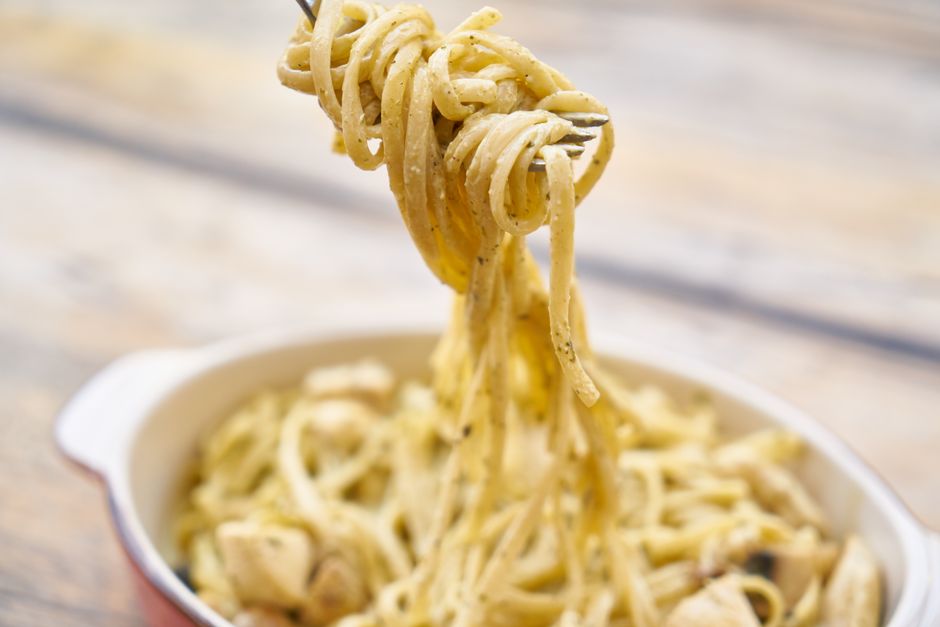
Yes, plain pasta is generally okay to eat when you are sick. It is bland, easy to chew, and easy on the stomach, which is why it shows up on nearly every list of foods for people who are recovering from a cold, the flu, or a stomach bug. The catch is that how you serve it matters. Plain pasta with a little salt or butter sits very differently in your stomach than pasta buried under a heavy cream sauce or spicy meat gravy.
That distinction is the whole answer. Pasta itself is not medicine and it will not shorten an illness. It is simply a source of carbohydrate and calories that most people can tolerate when their appetite is low and their stomach is unsettled. For some illnesses it works well. For others, it can make things worse.
Is Pasta Okay To Eat When Sick?
For most common illnesses, yes. Pasta is a soft, low-fiber, low-fat food that is easy to swallow and easy to digest. When you have a cold, a sore throat, or are recovering from the flu, the main problem is often that you do not feel like eating at all. In that situation, getting calories from a food you can actually finish is more useful than forcing down a “perfect” meal you cannot stomach.
Plain pasta delivers energy mainly as starch, which your body breaks down into glucose. That matters because your body uses more energy when it is fighting an infection, and fever in particular raises your metabolic rate. You do not need to eat a lot. You need to eat something, and drink enough fluid.
Where pasta stops being a good choice is when your illness involves active vomiting, diarrhea, or significant stomach inflammation. In those cases, the problem is not the pasta itself but how much you eat and what you put on it. A large bowl of pasta with a rich sauce can be hard on a stomach that is already irritated.
Why Is Pasta Usually Easy on the Stomach?
Pasta is made from durum wheat flour and water, and it is low in fat and low in fiber compared with many other starches. Both of those qualities matter when you are sick.
Fat slows down how quickly your stomach empties. That is normally fine, but when you are nauseated, a fatty meal can sit in your stomach and make the feeling worse. Fiber adds bulk and can speed up the gut, which is unhelpful when you already have diarrhea. Plain pasta sidesteps both problems. It is also soft, which helps if your throat is raw or if you are dealing with a sore mouth.
Cooking method changes the picture. Pasta cooked until soft is easier to handle than pasta served al dente. Very firm pasta takes more chewing and more work to break down. If you are sick, softer is generally better.
What Should You Avoid Putting on Pasta When Sick?
The sauce is usually the problem, not the pasta. Heavy cream sauces, cheese-heavy dishes, and greasy meat sauces are high in fat. Spicy sauces can irritate a stomach that is already sensitive and can worsen reflux. Very acidic tomato sauces bother some people, though not everyone.
Simple toppings tend to work better:
- A small amount of butter or olive oil
- A pinch of salt
- Plain broth instead of sauce
- A little grated mild cheese, if dairy does not bother you
Keep the portion small at first. A few bites tell you more about how your stomach will respond than a full plate does. If those few bites sit well, you can eat more.
One point worth making: dairy does not make mucus worse. That is a long-standing belief that research has not supported. If milk or cheese upsets your stomach, avoid it for that reason. Do not avoid it because you think it is thickening your congestion.
When Is Pasta a Bad Idea?
Pasta is a poor choice during active vomiting or diarrhea. When your gut is inflamed, the goal is to rest it and replace fluids, not to load it with solid food. During the acute phase, small sips of fluid and oral rehydration solutions matter more than any solid meal.
Once vomiting has stopped and you feel hungry again, plain pasta is a reasonable food to reintroduce. Start small. If it stays down and does not worsen diarrhea, you can build from there.
There are also conditions where pasta is not the right fit at all. If you have celiac disease, regular wheat pasta is off the table regardless of how sick you are. If you have diabetes, a large serving of pasta can raise blood sugar, and illness itself tends to push blood sugar higher. That combination is worth discussing with your clinician rather than guessing.
If you cannot keep any food or fluid down for more than a day, or you have signs of serious dehydration, that is a reason to seek medical care rather than experiment with what to eat.
What About Pasta for a Cold or Sore Throat?
For a cold or sore throat, pasta is a good fit. It is soft, warm, and easy to swallow. Warm food can feel soothing on an irritated throat, and the calories help when your appetite is low.
Chicken noodle soup is the classic example, and it works for the same reasons. It combines fluid, salt, and easy-to-digest starch. Pasta in broth delivers something similar. The fluid matters as much as the food, especially if you have a fever and are losing water through sweat and faster breathing.
There is no strong evidence that any specific food shortens a cold. What helps is staying hydrated, resting, and eating enough to support your body while it does the work of fighting the infection.
How Does Pasta Compare With Other Sick-Day Foods?
Pasta is one option among several. Which one is best depends on what is wrong and what you can tolerate.
| Food | Best for | Watch out for |
|---|---|---|
| Plain pasta | Low appetite, sore throat, recovery | Heavy or spicy sauces |
| Broth or soup | Fluid replacement, nausea | High salt if you have heart or kidney issues |
| Bananas, rice, applesauce, toast | Mild diarrhea | Not a full nutrition plan on its own |
| Oral rehydration solution | Vomiting, diarrhea, dehydration | Not a meal replacement |
| Crackers or dry toast | Nausea, settling the stomach | Low in calories and fluid |
Notice that none of these are treatments. They are ways to get energy and fluid in while your body handles the actual illness. That is the honest framing. Food supports recovery. It does not drive it.
Does It Matter How You Cook It?
Yes, a little. Cook pasta until it is soft rather than firm. Drain it well. Serve it warm, not hot enough to burn a sensitive mouth or throat. Keep the portion modest and add fluid alongside it, whether that is broth, water, or an electrolyte drink.
If you are dealing with nausea, cold or room-temperature pasta may sit better than a steaming bowl, since strong smells can trigger nausea. If your throat hurts, warm tends to feel better. There is no single right answer here. Match it to what your body is telling you.
One practical note: do not force yourself to finish a serving. Appetite often returns gradually after an illness. Eating a little now and a little later works better than pushing through a full plate and feeling worse.
Frequently Asked Questions
Is pasta okay to eat when sick with a stomach bug?
Not during active vomiting or diarrhea, when the priority is fluids and rest for your gut. Once vomiting has stopped and you feel hungry, plain pasta is a reasonable food to reintroduce in small amounts.
Can pasta make a cold or flu worse?
No. Plain pasta does not worsen a cold or flu, and it provides calories when your appetite is low. Heavy, greasy, or spicy sauces are more likely to upset your stomach than the pasta itself.
What is the best way to eat pasta when you are sick?
Serve it plain and soft, with a little butter, olive oil, salt, or broth rather than a rich sauce. Keep the first portion small and see how your stomach responds before eating more.
Should I avoid dairy on pasta when I have a cold?
Only if dairy upsets your stomach. The idea that dairy thickens mucus is not supported by research, so there is no need to avoid it for that reason.
