
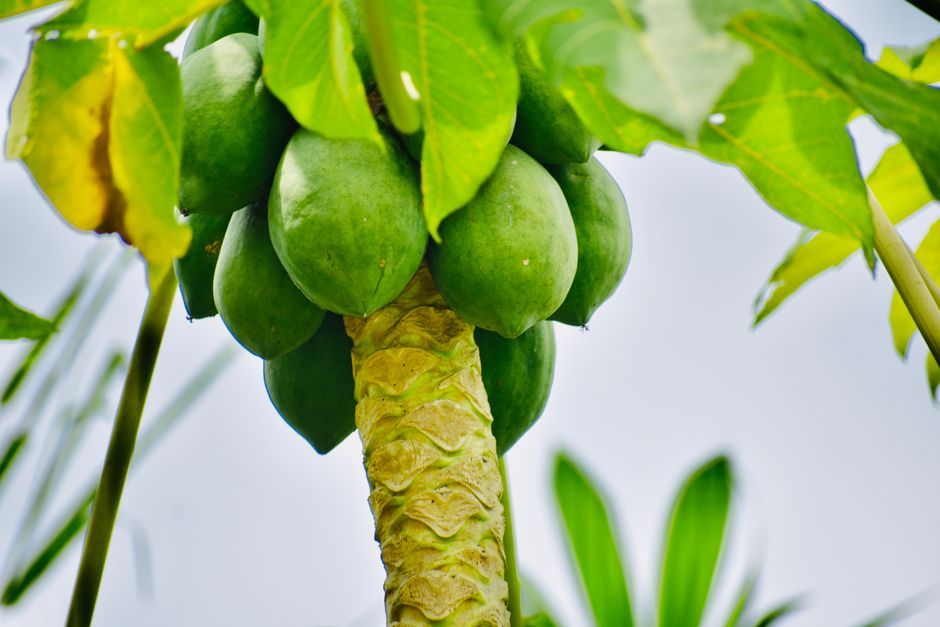
Papaya is a fruit. Botanically, it is a berry. That surprises many people, but the scientific classification is clear. The papaya plant produces a fleshy, seed-bearing structure that develops from the flower’s ovary. In everyday cooking, it is treated as a fruit because it is sweet and eaten raw. But the botanical definition is what settles the question.
Is Papaya A Fruit?
Yes, papaya is a fruit. In botanical terms, it is classified as a berry. A berry is a fleshy fruit produced from a single flower that contains one ovary. Papaya fits this definition exactly. It has a soft edible wall, multiple seeds inside, and develops from the flower’s ovary. This places it in the same category as tomatoes, bananas, and grapes.
The confusion often comes from how people use the word “fruit” in the kitchen versus the lab. In the kitchen, fruits are sweet and used in desserts or breakfast. Papaya fits that. But botanically, the classification depends on plant structure, not taste. That is why tomatoes are also berries, even though most people treat them as vegetables in cooking.
What Type of Fruit Is a Papaya?
Papaya is a single fruit known as a berry. It is not a citrus fruit, not a melon, and not a drupe like a peach or cherry. The entire fleshy part of the papaya is the fruit wall, called the pericarp. Inside, the central cavity holds hundreds of small black seeds. This structure is the defining feature of a berry.
There are two main types of papaya plants: female and hermaphrodite. Female trees produce round or oval fruits. Hermaphrodite trees produce longer, pear-shaped fruits. Both are the same species, Carica papaya, and both are botanically berries. The shape difference does not change the classification.
How Does Papaya Compare to Other Fruits?
Papaya shares its berry classification with some familiar foods. Understanding these groupings helps clarify why papaya is a fruit and not something else.
| Fruit | Botanical Class | Common Kitchen Use |
|---|---|---|
| Papaya | Berry | Eaten raw, smoothies, salads |
| Tomato | Berry | Cooked dishes, sauces |
| Banana | Berry | Eaten raw, baking |
| Peach | Drupe | Eaten raw, desserts |
| Watermelon | Pepo (a type of berry) | Eaten raw |
Watermelon is technically a pepo, which is a modified berry with a hard rind. Papaya does not have that hard outer layer, so it is a regular berry. The distinction matters only in botany. For eating purposes, none of this changes how you enjoy the fruit.





Is Papaya a Fruit or Vegetable in Nutrition?
Nutritionally, papaya is treated as a fruit. It is naturally sweet, eaten raw, and contains notable amounts of vitamin C, vitamin A, and fiber. A single cup of cubed papaya provides more than the daily requirement for vitamin C for most adults. It also contains an enzyme called papain, which helps break down proteins.
Vegetables, in dietary guidance, are typically lower in sugar and often cooked before eating. Papaya does not fit that pattern. The USDA categorizes papaya in the fruit group. This classification is used for dietary guidelines and food labeling. So whether you ask a botanist or a nutritionist, papaya is a fruit.
Why Do Some People Think Papaya Is a Vegetable?
Green, unripe papaya is often cooked and used in savory dishes. This is common in Southeast Asian cuisine, where green papaya is shredded into salads or cooked in stews. Because it is used like a vegetable, some people assume the plant itself is a vegetable. But cooking a fruit does not change its botanical identity.
Green papaya is simply an unripe fruit. It is firm, less sweet, and has a neutral flavor. When cooked, it absorbs other flavors well. This culinary versatility is a strength, not a classification issue. The same plant produces the ripe orange fruit you eat fresh and the green one you cook. Both are fruits.
What Are the Health Benefits of Papaya?
Papaya is a nutrient-dense fruit with several well-documented benefits. It is rich in vitamin C, which supports immune function and skin health. It also provides vitamin A in the form of beta-carotene, which is important for vision. The fiber content supports digestive health.
The enzyme papain is unique to papaya. It is used commercially as a meat tenderizer because it breaks down protein. Some research suggests papain may aid digestion when consumed with meals. However, the evidence for digestive benefits from eating fresh papaya is limited. Most studies use concentrated papain supplements, not the whole fruit.
Papaya also contains antioxidants called carotenoids. These compounds help neutralize free radicals in the body. Some studies link higher carotenoid intake with lower risk of chronic diseases. But eating papaya alone is not a disease-prevention strategy. It is one healthy food among many.
Can You Eat Papaya Seeds?
Papaya seeds are edible. They have a sharp, peppery taste and are sometimes ground and used like black pepper. Some research suggests the seeds may have antimicrobial properties. But no large human trials have confirmed health benefits from eating papaya seeds.
If you choose to eat them, do so in small amounts. The seeds contain trace compounds that may cause digestive upset in large quantities. There is no established safe dose for papaya seeds. Pregnant women should avoid them entirely because some animal studies suggest potential effects on fetal development. No clinical guidelines currently exist for papaya seed consumption in humans.
How to Choose and Store Papaya
A ripe papaya yields to gentle pressure, similar to a ripe avocado. The skin turns from green to yellow or orange as it ripens. The flesh should be soft and sweet. An unripe papaya is firm and green, suitable for cooking but not for eating fresh.
Store ripe papaya in the refrigerator. It will keep for about a week. Cut papaya should be refrigerated in a sealed container and eaten within a few days. Unripe papaya can ripen at room temperature over several days. Placing it in a paper bag speeds up the process.
Are There Any Risks or Side Effects?
Papaya is safe for most people when eaten as food. Allergic reactions are rare but possible. People with latex allergy may cross-react to papaya because of similar proteins. If you have a latex allergy, introduce papaya with caution.
Pregnant women should avoid unripe or semi-ripe papaya. Unripe papaya contains high levels of latex, which may trigger uterine contractions. This is based on traditional use and some pharmacological studies. Ripe papaya is generally considered safe during pregnancy, but many healthcare providers advise caution. Follow your doctor’s guidance.
People taking blood-thinning medications should be aware that papaya may increase bleeding risk in large amounts. This interaction is not well studied in humans. If you take warfarin or similar medications, discuss papaya consumption with your healthcare provider.
Frequently Asked Questions
Is papaya a fruit or a vegetable?
Papaya is a fruit. Botanically, it is classified as a berry because it develops from the flower’s ovary and contains seeds.
Can you eat papaya every day?
Yes, eating papaya daily is safe for most people. It is a healthy fruit with vitamin C, fiber, and antioxidants, but a balanced diet should include a variety of fruits.
Is green papaya a vegetable?
Green papaya is an unripe fruit, not a vegetable. It is cooked and used in savory dishes, but it remains botanically a fruit.
Can pregnant women eat papaya?
Ripe papaya is generally considered safe in normal food amounts, but unripe papaya should be avoided. Consult your healthcare provider for personalized advice.
