
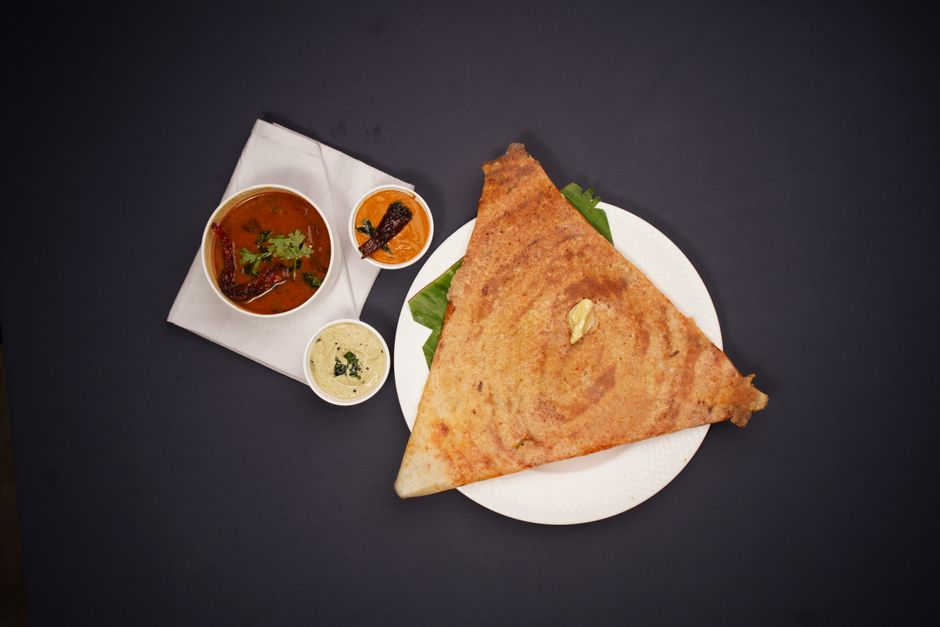
An over fermented dosa batter is usually safe to eat, but it depends on how far it has gone. A batter that is simply very sour, bubbly, and risen high is generally fine — fermentation is a controlled process, and extra time mostly intensifies flavor. The real safety question is not “over fermented” but “contaminated.” If the batter shows mold, discoloration, a smell that is not simply sour, or has been left out too long at warm room temperature, it should be discarded rather than cooked and eaten.
The confusion around this topic is understandable. Dosa batter looks and smells strange even when it is perfectly good. Learning to tell the difference between normal over fermentation and actual spoilage is the whole skill.
What Actually Happens When Dosa Batter Over Ferments?
Fermentation is a biological process driven by lactic acid bacteria and wild yeasts that naturally live in the rice and lentils. When you soak and grind rice and urad dal, those microorganisms get access to water and starch, and they start converting sugars into acid and gas. That is why the batter rises and turns tangy.
The main acids produced are lactic acid and, to a lesser degree, acetic acid. As fermentation continues past the ideal point, acidity keeps climbing. The batter gets more sour, the bubbles get bigger, and the volume can grow well beyond what you planned. At some point the acid environment becomes hostile to the very microbes that created it, and fermentation slows on its own.
This self-limiting nature is why an over fermented batter does not become dangerous just by fermenting longer. The acid actually protects it to some extent, because many spoilage organisms and pathogens struggle in a low-pH environment. What matters far more is temperature, hygiene, and how long the batter sat outside a controlled environment.
Why the Sourness Increases
The sour taste comes from accumulated acid. In a warm kitchen, fermentation can run fast, and a batter meant to rest overnight might over ferment in a few extra hours. In cooler conditions the same batter might take much longer to reach the same point. This is why recipes give time ranges rather than exact clocks — the microbes respond to warmth, not to your schedule.
How Do You Know If Over Fermented Dosa Batter Has Gone Bad?
You judge a batter by its senses, not by the clock. Normal over fermentation and spoilage look and smell different once you know what to check. Here is what to look for:
- Smell: A clean, sharp, sour, yogurt-like smell is normal. A rotten, putrid, moldy, or “off” smell is not. Trust your nose here — the difference is usually obvious.
- Surface: Any fuzzy patches, green, black, pink, or blue growth means mold. Discard the whole batch. Do not scrape off the top and use the rest.
- Color: Dosa batter is off-white to cream. Pink, grey, or greenish discoloration is a warning sign.
- Texture: A thin, watery layer on top is normal as the batter separates. Slimy, stringy, or ropy texture is not.
- Bubbles: Lots of bubbles are expected. Excessive foaming combined with a bad smell points to spoilage, not healthy fermentation.
One point that surprises people: mold on the surface means the visible growth is only the part you can see. Mold forms root-like threads that can extend into the food below. That is why scraping the top off is not a safe fix — the standard food safety position is to discard the whole batch.
Is Over Fermented Dosa Batter Safe To Eat?
Yes, in most cases an over fermented dosa batter is safe to eat, provided it shows no signs of spoilage. The extra acidity is not harmful in itself. Many people find the sharper tang pleasant, and it can actually make the dosa taste more pronounced.
The safety concern is not the fermentation but the conditions. A batter left at warm room temperature for an extended period — especially in hot, humid weather — creates a window where unwanted bacteria can multiply alongside the intended ones. The longer it sits out, the wider that window becomes. Refrigeration slows fermentation dramatically and is the simplest way to control it.
There is an honest limit to what can be said here. Home fermentation is not a sterile laboratory process, and there is no universal rule that guarantees safety for every batch. The practical guidance is straightforward: if it smells and looks right, it is very likely fine; if anything seems wrong, throw it out. The cost of a lost batch of batter is trivial compared with a foodborne illness.



Does Over Fermentation Make Dosa Batter Healthier or Less Healthy?
Fermentation does change the nutritional profile of the batter, and that part is well established. The lactic acid bacteria break down some of the starch and produce B vitamins, and fermentation reduces certain compounds in the grain that can interfere with mineral absorption. This is one reason fermented grain foods have a long history in many cuisines.
What is less clear is whether fermenting longer than intended adds meaningful benefit. The evidence does not support the idea that “more fermented equals more nutritious.” Past a point, the main change is taste and texture, not a meaningful nutritional upgrade. Claims that very long fermentation delivers extra health benefits are not backed by strong human studies.
Over fermentation does affect how the dosa cooks. A highly acidic, thin batter can produce a flatter, tangier dosa that browns differently. Some cooks adjust by adding a little fresh batter or a pinch of something alkaline to balance the acidity, though this is a matter of taste, not safety.
When Should You Throw Out Dosa Batter?
Throw it out when the evidence points to contamination rather than simple over fermentation. The clearest signs are visible mold, an unpleasant or putrid smell, slimy texture, or unusual color. Any of these means the batch is no longer just fermented — it is spoiled.
Time and temperature also matter. A batter that sat out in hot weather for a very long stretch, well beyond the normal fermentation window, carries more risk even if it does not look obviously wrong. When in doubt, discard it. There is no reliable home test that tells you a questionable batter is safe.
If you are ever unsure, the safe choice is always to start fresh. Fermenting a new batch takes time, but it removes the guesswork.
How Do You Prevent Dosa Batter From Over Fermenting?
You control fermentation mainly through temperature and timing. The microbes work faster when warm and slower when cold, so the fridge is your best tool.
- Once the batter has risen and turned tangy, move it to the refrigerator to slow fermentation down. It will keep for several days this way in most home settings.
- In hot weather, shorten the initial fermentation time or start it in a cooler spot.
- Use a clean container with some headroom, since the batter expands as it ferments.
- Keep utensils and hands clean to reduce the chance of introducing unwanted organisms.
- If you know you will not use the batter quickly, refrigerate sooner rather than later.
Refrigeration does not stop fermentation entirely — it just slows it. A batter can still slowly turn more sour in the fridge over many days. That is normal and usually still safe, as long as it passes the smell and appearance checks.
The Bottom Line
Over fermented dosa batter is generally safe and often just tastes more sour. The real risk comes from spoilage and poor storage conditions, not from fermentation itself. Judge your batter by smell, appearance, and how it was stored. If it looks and smells clean, cook it. If anything seems off, discard it without hesitation.
Frequently Asked Questions
Can I eat dosa batter that fermented for 24 hours?
In most cases yes, if it has been kept reasonably cool and shows no mold, slime, or bad smell. A 24-hour ferment is longer than typical but usually just makes the batter more sour.
Is frothy dosa batter safe?
Froth and bubbles are normal signs of active fermentation and are generally safe. Froth combined with a putrid smell or unusual color is a sign of spoilage, not healthy fermentation.
What does spoiled dosa batter smell like?
Spoiled batter smells rotten, putrid, or moldy rather than cleanly sour. A normal over fermented batter smells sharply sour, similar to yogurt.
Can I fix over fermented dosa batter?
You can make it more usable by mixing in a little fresh batter to balance the sourness, but you cannot reverse over fermentation. If the batter shows any sign of spoilage, it cannot be fixed and should be thrown out.
