
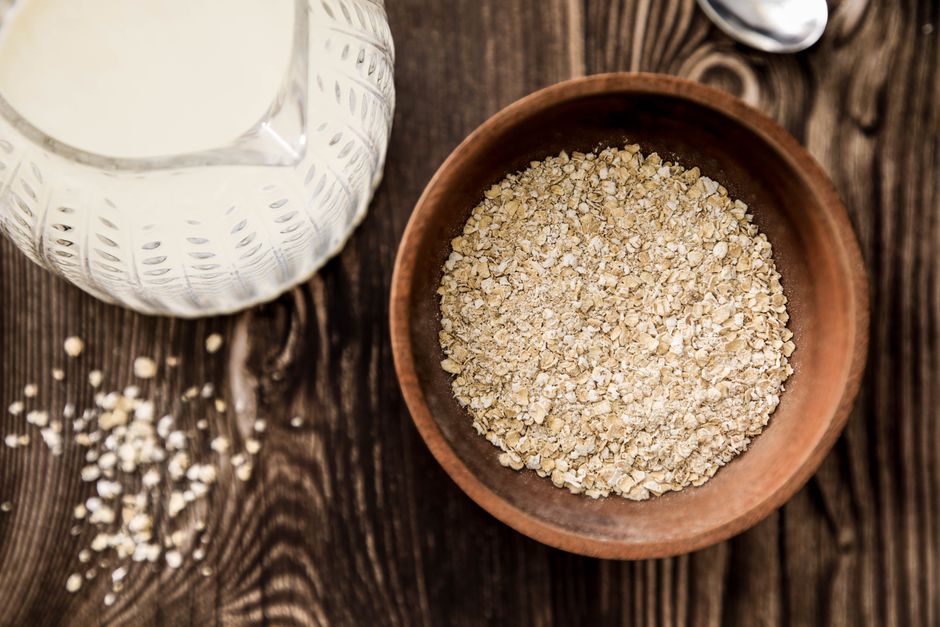
Oatmeal water is not a proven treatment for hair growth or thickness. No clinical trial has shown that drinking it or rinsing your hair with it regrows hair or increases hair density. The oats themselves are nutritious, but the claims made about oatmeal water for hair go well beyond what any human study supports.
That gap between the marketing and the evidence matters. Hair loss is common, the causes vary, and some are treatable with approaches that have real trial data behind them. Spending months on a home remedy that has never been tested can delay something that works.
Is Oatmeal Water Good For Hair Growth And Thickness?
There is no clinical evidence that oatmeal water grows hair or makes it thicker. The idea rests on the nutrients oats contain, not on studies of hair outcomes in people who use oatmeal water.
Oats do contain nutrients involved in normal hair biology. They supply B vitamins, iron, zinc, magnesium, and some protein. Hair follicles need adequate nutrition to produce hair, and deficiencies in iron, zinc, or certain vitamins are associated with hair shedding. But that is a statement about diet and deficiency. It does not follow that adding oats to your routine, in water or any other form, improves hair in someone who is not deficient.
This is where most hair remedies go wrong. A nutrient is required for a process, so the reasoning goes that more of it must improve the process. Hair biology does not work that way. Once your body has what it needs, extra nutrients do not make hair grow faster or thicker.
What Nutrients in Oats Actually Do for Hair
Oats provide nutrients that support normal hair follicle function when your diet is short on them. They do not act on hair directly.
Hair is mostly protein. The follicle is one of the most metabolically active structures in the body, and it depends on a steady supply of amino acids, iron, zinc, and vitamins. Oats contribute to that supply as part of a balanced diet.
- Zinc is involved in hair follicle cycling. Severe zinc deficiency is linked to hair shedding, but zinc supplements do not regrow hair in people with normal zinc levels.
- Iron supports the oxygen supply to rapidly dividing cells, including follicle cells. Low iron stores are associated with some forms of hair shedding, particularly in women.
- B vitamins, including biotin, are involved in hair keratin production. Biotin deficiency causes hair loss, but biotin supplements have not been shown to help people who are not deficient.
- Protein from oats is modest compared with eggs, dairy, or legumes, but it adds to your daily intake.
Oat water made by soaking oats and straining them contains only a small fraction of these nutrients. Most stay in the oats themselves. If you want the nutritional benefit, eating the oats is the more reliable route.
Does Rinsing Hair With Oatmeal Water Do Anything?
Oat water rinse can soothe an irritated scalp, but it has not been shown to affect hair growth. The distinction between calming the scalp and changing hair growth is important.
Oats contain avenanthramides, compounds with anti-inflammatory properties that have been studied in skin care. Colloidal oatmeal, a finely ground preparation of oats, is recognized in dermatology for relieving itch and irritation in conditions like eczema. A diluted oat water rinse may feel soothing on a scalp that is itchy or inflamed for similar reasons.
A calmer scalp is not the same as a fuller head of hair. Scalp inflammation can contribute to some hair conditions, but there is no evidence that an oat rinse reverses them or increases hair density. The evidence for colloidal oatmeal is about skin comfort, not hair growth.
One practical note. Oat water is a food-based preparation with no preservatives. If you make it and leave it sitting, it can grow bacteria. Make small amounts and use them promptly, or keep them refrigerated and discard after a short time.


What Actually Drives Hair Growth and Thickness
Hair growth is governed by genetics, hormones, age, and overall health, not by any single food or rinse. Understanding what controls it explains why a home remedy is unlikely to change much.
Each hair follicle cycles through growth, transition, and rest phases. The length of the growth phase and the size of the follicle determine how long and how thick each hair becomes. Genetics set much of this. Hormones, particularly androgens, influence it strongly. And systemic factors like thyroid function, iron status, and severe illness can shift many follicles out of the growth phase at once, causing noticeable shedding.
This is why the most effective approaches target specific causes. Androgenetic hair loss, the common inherited pattern, responds to treatments that act on hormones or follicle biology, and some of these have substantial trial evidence. Hair shedding from iron deficiency responds to correcting the deficiency. Shedding from thyroid disease responds to treating the thyroid. A generic food remedy does not address any of these mechanisms.
If hair thinning is new, rapid, patchy, or accompanied by scalp symptoms, it deserves a medical evaluation rather than a home experiment. A clinician can check for treatable causes before you spend months on something unproven.
How Oatmeal Water Compares With Established Approaches
Oatmeal water has no trial evidence for hair outcomes, while several established treatments do have meaningful clinical data. That difference in evidence quality is the main comparison worth making.
| Approach | Evidence for hair growth | Notes |
|---|---|---|
| Oatmeal water (drinking or rinsing) | None in human trials | May soothe scalp irritation; no data on density |
| Correcting a diagnosed nutrient deficiency | Good, when deficiency is confirmed | Requires testing; supplements do not help without deficiency |
| Medications for pattern hair loss | Substantial trial evidence for some | Require a clinician; benefits depend on continued use |
| Treating an underlying condition (thyroid, etc.) | Good, when a cause is identified | Hair often recovers after the cause is treated |
The honest position is that oatmeal water is not harmful for most people and may be pleasant, but it does not belong in the same category as approaches with real evidence. It is a food, not a treatment.
Can Oatmeal Water Cause Problems?
For most people oatmeal water is low risk, but it is not risk-free for everyone. Oats contain a protein called avenin, and some people with celiac disease or gluten sensitivity react to it. Reactions are less common than with wheat, but they occur.
If you have celiac disease, check with your clinician before using oat products on your skin or scalp, and be aware that oats are often contaminated with wheat during processing unless they are labeled gluten-free. If you have a known oat allergy, avoid it.
Drinking large amounts of oat water is not a good idea. It is mostly water and starch, and it can displace more nutritious foods. It is not a substitute for a balanced diet, and it provides little protein compared with eating the oats.
The Bottom Line on Oatmeal Water and Hair
Oatmeal water is a nutritious food preparation with no demonstrated effect on hair growth or thickness. The nutrients in oats matter for hair only when your diet falls short of them, and even then, eating the oats is more reliable than drinking the water they soaked in.
If your goal is healthier hair, the evidence points toward a balanced diet with adequate protein, iron, and zinc, treating any diagnosed deficiency, and getting a medical evaluation for unexplained thinning. Those steps are supported by what is known about hair biology and, in some cases, by clinical trials. Oatmeal water is not.
Frequently Asked Questions
Does drinking oatmeal water help hair grow?
No clinical evidence shows that drinking oatmeal water grows hair. The nutrients in oats support hair only if your diet is deficient in them.
Can I use oatmeal water as a hair rinse every day?
There is no established guidance on how often to use it, and no evidence it affects hair growth. If you try it, make small fresh batches and use them promptly because the liquid has no preservatives.
Is oatmeal water better than eating oats for hair?
Eating oats gives you more of the nutrients, including protein and fiber, than the water they soaked in. Neither has been shown to change hair growth in people who are not deficient.
What actually helps thinning hair?
Identifying the cause matters most, since hair loss has many drivers including genetics, hormones, and nutrient deficiencies. Some treatments for pattern hair loss have substantial trial evidence, so a medical evaluation is the sensible first step.
