
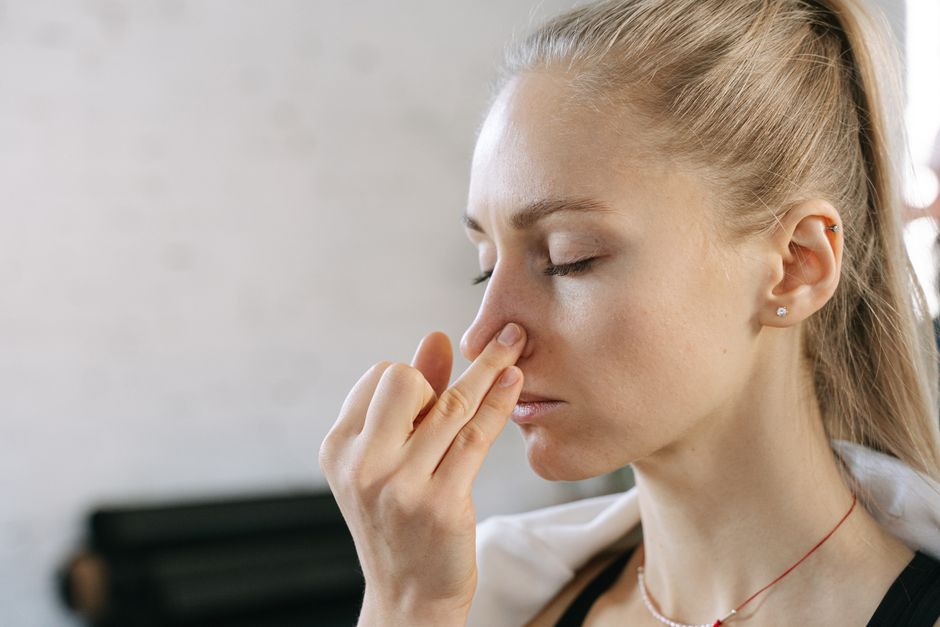
Nosebleeds during pregnancy are common and usually not a sign of anything dangerous. Pregnancy increases blood flow throughout the body, including the tiny vessels inside the nose, which makes them more likely to break and bleed. Most pregnancy nosebleeds are minor, stop on their own, and can be managed at home. A few situations do warrant a call to a doctor, and those are worth knowing.
Is Nose Bleeding Normal During Pregnancy?
Yes. Nosebleeds are a recognized and fairly common symptom of pregnancy. They most often appear in the second and third trimesters, though some people notice them earlier.
The reason comes down to two changes that happen during pregnancy. First, your total blood volume increases substantially — by late pregnancy it is roughly 40 to 50 percent higher than before you conceived. That extra blood has to circulate somewhere, and the small vessels lining the nasal passages receive more of it.
Second, pregnancy hormones — particularly estrogen — cause those nasal blood vessels to dilate and become more fragile. The lining of the nose also tends to swell and dry out more easily. A nose that is both engorged with blood and dry inside is a nose that bleeds more readily.
This combination is sometimes called pregnancy rhinitis. It is not an allergy and not an infection. It is simply the nasal lining responding to pregnancy hormones. Along with a stuffy nose and occasional congestion, nosebleeds are part of that picture for many pregnant people.
What Causes Nosebleeds to Happen More Often in Pregnancy?
The direct cause is the interaction between increased blood volume and more fragile, dilated vessels in the nasal lining. But several everyday factors can make bleeding more likely on top of that baseline.
- Dry air — heated indoor air in winter or dry climates dries out the nasal lining, which cracks and bleeds more easily.
- Blowing or picking the nose — extra pressure on already-fragile vessels can trigger bleeding.
- Colds and allergies — inflammation and frequent nose-blowing irritate the lining.
- Nasal sprays and decongestants — some over-the-counter products dry out or irritate the nasal passages.
- High blood pressure — elevated blood pressure can increase the tendency to bleed, though it is not the cause of most pregnancy nosebleeds.
- Blood-thinning medications — if you take aspirin or another anticoagulant, bleeding may be more frequent.
Most of these are manageable. Dry air, in particular, is one of the easiest things to address and one of the most common contributors.
How Do You Stop a Pregnancy Nosebleed?
Standard first aid works well. Sit upright, lean slightly forward, and pinch the soft part of your nose — just below the bony bridge — between your thumb and index finger. Hold steady pressure for 10 to 15 minutes without letting go to check.
Leaning forward matters. Tilting your head back lets blood run down your throat, which can cause nausea and makes it hard to tell whether the bleeding has stopped. Breathe through your mouth while you hold pressure.
After the bleeding stops, avoid blowing your nose, bending over, or lifting anything heavy for the next several hours. Those actions can dislodge the clot and restart the bleed.
A few things that do not help and may make it worse:
- Tilting the head back
- Packing the nose with tissue, which can irritate the lining further
- Checking every minute or two to see if it stopped
If pressure does not stop the bleeding after 10 to 15 minutes, or if bleeding is heavy and running down your throat, seek medical care.





When Should You Call a Doctor About a Nosebleed?
Most pregnancy nosebleeds are harmless. Certain situations need medical attention, and it is better to call than to wait.
- Bleeding that does not stop after 10 to 15 minutes of steady pressure
- Bleeding heavy enough to fill your mouth or run down your throat
- Feeling faint, dizzy, or short of breath during or after the bleed
- Nosebleeds that happen several times a day or most days
- Bleeding along with a severe headache, vision changes, or swelling in your face or hands
- Bleeding along with a fever or a feeling of general illness
- Nosebleeds that begin after a head injury or a fall
The combination of a severe headache, vision changes, and swelling can point to a blood pressure problem that needs prompt evaluation. That cluster of symptoms is not something to wait out.
Frequent nosebleeds can also lead to low iron levels over time if enough blood is lost. If you are having repeated bleeds, mention it at your next prenatal visit so your provider can decide whether your iron levels need checking.
Can You Prevent Nosebleeds During Pregnancy?
You cannot prevent the hormonal and blood-volume changes that make the nose more prone to bleeding. You can reduce how often it happens by keeping the nasal lining moist and protected.
Running a cool-mist humidifier in your bedroom helps, especially in winter or in dry climates. Saline nasal sprays or saline gel can keep the lining moist without medication. Some clinicians also suggest a small amount of petroleum jelly or a water-based nasal ointment just inside the nostrils to protect the lining — this is common practice, though formal trial evidence for it is limited.
Other steps that help:
- Drink enough fluids throughout the day
- Avoid forceful nose-blowing
- Keep fingernails short if you tend to pick at your nose
- Use a saline spray rather than a medicated decongestant spray unless your provider approves it
- Treat allergies so you are not constantly rubbing or blowing your nose
If you use a nasal decongestant spray, check with your provider first. Some of these products are not recommended for regular use during pregnancy, and overuse can cause rebound congestion that makes the problem worse.
Does a Nosebleed Mean Something Is Wrong With the Pregnancy?
A nosebleed on its own does not indicate a problem with the pregnancy. It is a symptom of normal pregnancy physiology — more blood, more fragile vessels — not a sign that anything is going wrong with the baby.
That said, a nosebleed can occasionally be a signal of an underlying issue, most often elevated blood pressure. If nosebleeds come with headaches, swelling, or vision changes, those symptoms together deserve prompt medical attention. High blood pressure during pregnancy is a condition that needs monitoring, and nosebleeds alone would not be the reason to suspect it — but they can be part of the picture.
If you have a bleeding disorder, take blood-thinning medication, or have had frequent nosebleeds before pregnancy, tell your provider. That history changes how your symptoms should be interpreted.
For most pregnant people, a nosebleed is uncomfortable and inconvenient but not a cause for alarm. Knowing how to stop it and when to call for help covers nearly every situation.
Frequently Asked Questions
Is it normal to get nosebleeds during pregnancy?
Yes. Nosebleeds are a common pregnancy symptom caused by increased blood volume and hormone-related changes to the nasal lining. They are usually minor and not a sign of a problem.
What should I do if my nose won’t stop bleeding while pregnant?
Sit upright, lean forward, and pinch the soft part of your nose for 10 to 15 minutes without releasing. If bleeding continues past that, seek medical care.
Can pregnancy nosebleeds harm my baby?
No. A nosebleed does not affect the baby. It reflects changes in your own blood vessels and nasal lining, not a problem with the pregnancy itself.
When should I worry about a nosebleed during pregnancy?
Call your provider if bleeding does not stop after 10 to 15 minutes, is very heavy, or comes with a severe headache, vision changes, or swelling. Those symptoms together need prompt evaluation.
