
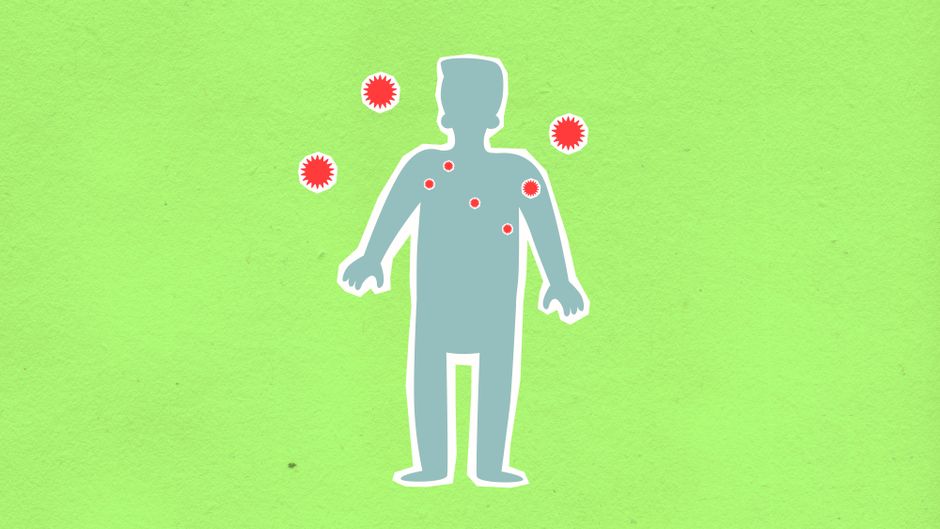
Norwalk virus is extremely contagious. It spreads easily from person to person, through contaminated food and water, and by touching surfaces where the virus is present. Even a tiny amount of the virus can make someone sick, which is why outbreaks often sweep through households, schools, and cruise ships quickly.
What Exactly Is Norwalk Virus?
Norwalk virus is the older name for what scientists now call norovirus. It is a highly infectious virus that causes gastroenteritis, which is inflammation of the stomach and intestines. Despite the name, it is not related to the flu. Influenza is a respiratory illness. Norovirus attacks the digestive system.
The virus was first identified in Norwalk, Ohio, in 1968 after an outbreak at a local elementary school. That is where the original name comes from. Today, medical professionals use the term norovirus, but many people still say Norwalk virus.
Norovirus is the leading cause of acute gastroenteritis worldwide. It accounts for roughly one in five cases of gastroenteritis globally. Anyone can get it, and you can get it multiple times throughout your life because your immunity to it does not last long.
Is Norwalk Virus Contagious Through the Air?
Norovirus does not spread through the air like a cold or COVID-19. You do not catch it from breathing in droplets when someone coughs or sneezes near you. The virus spreads through the fecal-oral route, which means the virus from an infected person’s stool or vomit ends up in someone else’s mouth.
That said, there is a small airborne component. When a person vomits, tiny particles of vomit can become aerosolized, meaning they float briefly in the air. If you inhale those particles and they reach your throat, you can swallow them and become infected. This is not the primary way the virus spreads, but it is a real risk in closed spaces.
The main transmission routes are direct contact with an infected person, touching contaminated surfaces, and consuming contaminated food or water. The virus is hardy and can survive on surfaces for days or even weeks.
How Many Virus Particles Does It Take to Get Sick?
Norovirus is one of the most infectious viruses known. The infectious dose, meaning the number of virus particles needed to cause illness, is remarkably low. Research indicates that fewer than 100 virus particles can make a healthy adult sick.
To put that in perspective, a single vomit or diarrhea episode can release millions of virus particles. A person infected with norovirus sheds billions of particles in their stool and vomit during the illness. This massive viral load combined with the tiny infectious dose explains why the virus spreads so rapidly.
For comparison, influenza requires a much higher viral dose to cause infection. This difference in infectious dose is a major reason norovirus outbreaks are so explosive and difficult to contain.



How Long Is a Person with Norovirus Contagious?
You are most contagious while you are actively sick and for the first two days after symptoms resolve. However, the virus does not disappear from your system that quickly. You can continue to shed the virus in your stool for up to two weeks after you feel better.
This extended shedding period is why health officials recommend strict hand hygiene and surface cleaning even after symptoms stop. You may feel fine, but you can still pass the virus to others. This is particularly important for people who work in food service, healthcare, or childcare.
The incubation period, which is the time between exposure and the start of symptoms, is typically 12 to 48 hours. Symptoms usually last one to three days. Most people recover fully without medical treatment, but dehydration can become a serious concern, especially for young children, older adults, and people with weakened immune systems.
What Are the Symptoms of Norovirus Infection?
Symptoms come on suddenly. One moment you feel fine, and within hours you may experience intense nausea, vomiting, watery diarrhea, and stomach cramping. Many people also develop a low-grade fever, headache, and body aches.
Vomiting is more common in children, while adults more often experience diarrhea. Some people have only vomiting or only diarrhea. Others have both. The sudden onset is a hallmark of norovirus and helps distinguish it from food poisoning caused by bacteria, which often takes longer to develop.
Dehydration is the most common complication. Watch for signs such as decreased urination, dry mouth and throat, dizziness when standing, and unusual sleepiness or irritability. If dehydration becomes severe, medical attention may be necessary.
How Does Norovirus Spread in Homes and Communities?
Norovirus spreads quickly in any setting where people are in close contact. Households are common sites of transmission because family members share bathrooms, food, and frequently touched surfaces. If one person brings the virus home, it is common for several others to become sick within a few days.
Cruise ships get significant media attention for norovirus outbreaks, but the virus spreads just as easily in nursing homes, schools, daycare centers, hospitals, and restaurants. Any enclosed environment with shared facilities creates ideal conditions for transmission.
Contaminated food is another major route. Food handlers who are infected and do not wash their hands properly can contaminate the food they prepare. Leafy greens, fresh fruits, and shellfish are common sources of norovirus outbreaks because they are often eaten raw or lightly cooked.
How Do You Prevent Norovirus Infection?
Handwashing is the single most important prevention measure. Wash your hands with soap and water for at least 20 seconds. Alcohol-based hand sanitizers are not very effective against norovirus. The virus is resistant to alcohol, so soap and water are essential.
Wash your hands after using the bathroom, before preparing food, before eating, and after caring for someone who is sick. This sounds simple, but it is the most effective way to break the chain of transmission.
If someone in your home is sick, clean and disinfect surfaces with a bleach-based cleaner. Norovirus is resistant to many common disinfectants. A solution of bleach and water is one of the few household cleaners proven to kill the virus on surfaces.
Wash laundry thoroughly. Handle soiled clothing and linens with gloves and wash them in hot water. Do not share food, drinks, or eating utensils with someone who is sick. If you are sick, do not prepare food for others for at least two days after your symptoms stop.
Is There a Vaccine or Treatment for Norovirus?
There is no vaccine for norovirus. Several vaccine candidates are in development, but none are currently approved for public use. There is also no specific antiviral medication that treats norovirus infection.
Treatment focuses on managing symptoms and preventing dehydration. The most important step is to drink plenty of fluids. Water is fine, but oral rehydration solutions that contain electrolytes are better because they replace the salts and minerals lost through vomiting and diarrhea.
Most people recover on their own within one to three days. Over-the-counter anti-diarrheal medications are sometimes used, but some clinicians advise against them because they can prolong the infection. If you have a fever, bloody diarrhea, or severe abdominal pain, contact a healthcare provider.
Seek medical attention if you cannot keep fluids down for more than 24 hours, if you show signs of severe dehydration, or if you have a medical condition that puts you at higher risk. Infants, older adults, and people with weakened immune systems should be monitored closely.
How Is Norovirus Different from Stomach Flu or Food Poisoning?
The term stomach flu is a misnomer. There is no such thing as stomach flu. Influenza is a respiratory virus that causes fever, cough, and body aches. Norovirus causes gastrointestinal symptoms. The two are entirely unrelated.
Food poisoning is a broader term that describes illness caused by eating contaminated food. Norovirus is one cause of food poisoning, but bacteria such as Salmonella, E. coli, and Listeria also cause it. Bacterial food poisoning often causes fever and bloody diarrhea, which are less common with norovirus.
The key difference is timing. Norovirus symptoms appear 12 to 48 hours after exposure and resolve within a few days. Bacterial food poisoning can appear within hours of eating contaminated food and may last longer, depending on the bacteria involved.
Frequently Asked Questions
Can you get norovirus twice?
Yes, you can get norovirus many times. Your immune system does not create lasting protection, so a previous infection does not prevent future ones.
How long does norovirus live on surfaces?
Norovirus can survive on surfaces for days or even weeks. This is why thorough cleaning with bleach-based disinfectants is essential after someone in your home is sick.
Should you stay home from work if you have norovirus?
Yes, stay home until at least 48 hours after your symptoms stop. This is especially important if you work in food service, healthcare, or childcare, because you can still shed the virus and infect others.
Does hand sanitizer kill norovirus?
No, alcohol-based hand sanitizers are not reliably effective against norovirus. Washing your hands with soap and water is the recommended method.
