
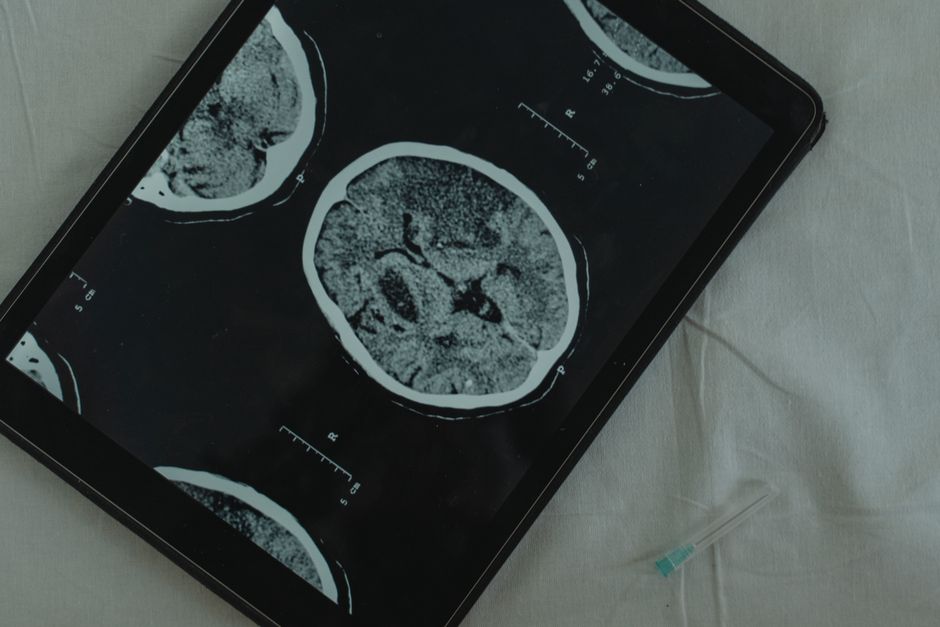
Neuropathy is a neurological disorder. Specifically, it is a disorder of the peripheral nervous system — the vast network of nerves that carries signals between your brain, spinal cord, and the rest of your body. When those nerves are damaged or malfunctioning, the resulting symptoms are neurological in origin, even when the underlying cause is something else entirely, like diabetes or a vitamin deficiency.
That distinction matters. It shapes how neuropathy is diagnosed, who treats it, and what treatment options actually make sense. It also explains why neuropathy symptoms can be so varied and why they are sometimes dismissed or misunderstood.
Is Neuropathy a Neurological Disorder?
Yes. Neuropathy is classified as a neurological disorder because it involves damage to or dysfunction of nerves. The peripheral nervous system includes sensory nerves (which carry sensation), motor nerves (which control muscle movement), and autonomic nerves (which regulate involuntary functions like blood pressure, digestion, and sweating).
Neuropathy can affect any combination of these. That is why two people with the same diagnosis can have very different experiences. One person may have burning feet and numbness. Another may have weakness in the hands or dizziness when standing up.
Neurologists are the specialists who most often diagnose and manage neuropathy. However, because so many underlying conditions can cause it, other specialists — endocrinologists, rheumatologists, oncologists — are frequently involved too. The nerve damage is neurological. The cause often is not.
What Is the Difference Between Peripheral Neuropathy and Other Neurological Disorders?
Peripheral neuropathy affects nerves outside the brain and spinal cord. That is the key distinction. Conditions like multiple sclerosis, Parkinson’s disease, and stroke involve the central nervous system — the brain and spinal cord. Peripheral neuropathy does not.
This difference has real consequences for diagnosis and treatment. Central nervous system disorders often show up on brain or spinal cord imaging. Peripheral neuropathy is typically diagnosed through clinical examination, nerve conduction studies, and electromyography (EMG). Blood tests are used to look for underlying causes.
There is some overlap in how these conditions are managed. Medications used for nerve pain — certain antidepressants and anti-seizure drugs — work on nerve signaling regardless of where the problem originates. But the underlying disease processes are different, and so are the treatment strategies.
What Causes Neuropathy?
Diabetes is the most common cause of peripheral neuropathy in the United States. Chronically high blood sugar damages nerves over time, particularly in the feet and legs. This is called diabetic peripheral neuropathy, and it affects a significant portion of people who have had diabetes for many years.
But diabetes is far from the only cause. Other established causes include:
- Vitamin B12 deficiency, which can damage nerves if left untreated
- Alcohol use disorder, through direct toxic effects on nerves and nutritional deficiencies
- Chemotherapy medications, which can cause what is called chemotherapy-induced peripheral neuropathy
- Certain infections, including HIV and Lyme disease
- Autoimmune conditions such as Guillain-Barré syndrome and chronic inflammatory demyelinating polyneuropathy (CIDP)
- Kidney disease, which allows toxins to build up in the blood
- Hypothyroidism
- Genetic conditions such as Charcot-Marie-Tooth disease
- Physical injury or compression, as in carpal tunnel syndrome
In some cases, no cause is identified. This is called idiopathic neuropathy. It is a real diagnosis, not a failure of medical investigation. Some cases simply do not have a detectable cause with current testing.





What Does Neuropathy Feel Like?
Neuropathy symptoms depend on which nerves are affected and how severely. Sensory neuropathy — the most common type — typically starts in the feet and hands. People describe burning, tingling, “pins and needles,” or a sensation like walking on pebbles. Numbness is also common, and it can be more dangerous than pain because it masks injuries.
Some people experience heightened sensitivity to touch, where even light contact with bedsheets causes pain. Others lose the ability to feel temperature changes or pain in their feet, which increases the risk of wounds going unnoticed.
Motor neuropathy causes muscle weakness, difficulty with balance, and in some cases foot deformities over time. Autonomic neuropathy affects functions you do not consciously control — blood pressure, heart rate, digestion, bladder function, and sweating. Symptoms can include dizziness upon standing, digestive problems, and difficulty regulating body temperature.
Pain from neuropathy is real. It is not imagined, and it is not “just” a symptom of another condition. It reflects actual changes in how damaged nerves send signals to the brain.
How Is Neuropathy Diagnosed?
Diagnosis starts with a medical history and physical examination. A neurologist or primary care doctor will ask about symptoms, their pattern, and when they started. They will test sensation, reflexes, and muscle strength.
If neuropathy is suspected, the following tests are commonly used:
- Nerve conduction studies measure how fast electrical signals travel along nerves
- Electromyography (EMG) assesses electrical activity in muscles
- Blood tests check for diabetes, vitamin deficiencies, thyroid function, kidney function, and other potential causes
- Skin biopsy can detect damage to small nerve fibers that may not show up on nerve conduction studies
Identifying the underlying cause is a priority because some causes are treatable. Vitamin B12 deficiency, hypothyroidism, and certain autoimmune conditions can be addressed directly. When the cause is treated, nerve symptoms sometimes improve — though not always, and not completely. Nerve damage that has been present for a long time may not fully reverse.
Can Neuropathy Be Treated?
Treatment depends on the cause and the symptoms. When a treatable underlying condition is found, addressing it is the first step. Blood sugar control in diabetes can slow the progression of nerve damage. Vitamin supplementation can help if deficiency is the cause.
For nerve pain itself, several medications have evidence supporting their use. Certain antidepressants (like duloxetine and amitriptyline) and certain anti-seizure medications (like gabapentin and pregabalin) are commonly prescribed. These do not repair nerves. They change how the nervous system processes pain signals. Some people get meaningful relief. Others do not.
Topical treatments, including lidocaine patches and capsaicin cream, are sometimes used for localized symptoms. Physical therapy can help with balance and muscle weakness. For severe cases, some clinicians recommend spinal cord stimulation or nerve blocks, though evidence for these approaches varies by condition and patient.
No treatment currently reverses peripheral neuropathy in most cases. That is an honest limitation. Management focuses on slowing progression, reducing pain, and preventing complications like foot injuries.
Why the “Neurological” Label Matters
Understanding that neuropathy is a neurological disorder helps in practical ways. It explains why a neurologist is often the right specialist. It explains why nerve pain medications work differently from standard pain relievers like ibuprofen or opioids. It also explains why treating the underlying cause — diabetes, vitamin deficiency, thyroid disease — is essential but not always sufficient.
Neuropathy is not a single disease. It is a category of nerve disorders with many possible causes, many possible symptom patterns, and many possible treatment paths. The word “neurological” is not just a label. It describes where the problem lives and what kind of care it requires.
If you have been diagnosed with neuropathy, your symptoms are real. The frustration of nerve pain — especially when it is chronic — is well documented. Finding the right combination of cause management, symptom treatment, and specialist care takes time. It is worth pursuing, even when progress is slow.
Frequently Asked Questions
Is neuropathy a neurological disorder or a circulatory problem?
Neuropathy is a neurological disorder because it involves damage to peripheral nerves. Circulation problems can contribute to nerve damage in some cases, particularly in diabetes, but the neuropathy itself is neurological.
What type of doctor treats neuropathy?
Neurologists most often diagnose and manage neuropathy. Other specialists may be involved depending on the cause, such as an endocrinologist for diabetes-related neuropathy or a rheumatologist for autoimmune causes.
Can neuropathy be reversed?
In some cases where a treatable cause is found early — such as vitamin B12 deficiency — nerve symptoms may improve with treatment. For most people, especially those with long-standing nerve damage, neuropathy is managed rather than reversed.
Does neuropathy affect the brain?
Peripheral neuropathy does not directly affect the brain or spinal cord. However, the brain processes the abnormal pain signals that damaged peripheral nerves send, which is why medications that act on the central nervous system can help reduce nerve pain.
