
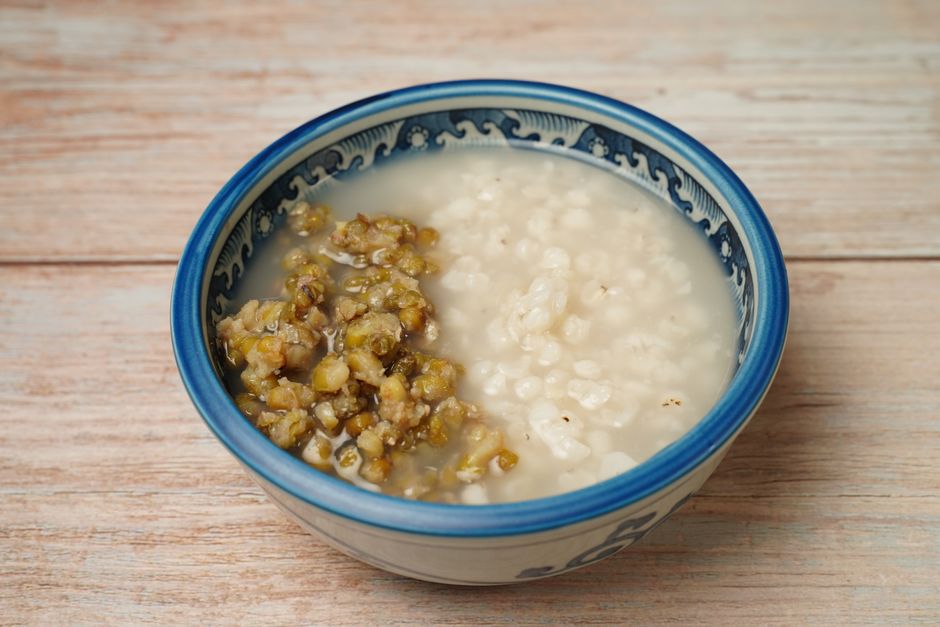
Mung beans are naturally gluten free. They are a legume, not a grain, and contain no wheat, barley, or rye proteins. That makes plain dried mung beans and 100% mung bean flour safe for people with celiac disease or gluten sensitivity, as long as they haven’t been mixed with gluten-containing grains during growing, storage, or processing. The risks worth knowing are cross-contact, food safety with sprouts, and a few nutritional details most people never hear about.
Mung beans (also called green gram or moong dal) have been eaten across Asia for thousands of years. They show up in soups, curries, noodles, and as a base for plant-based egg substitutes. Beyond the gluten question, they offer solid protein, fiber, and a range of vitamins and minerals. Here is what the evidence actually supports.
Is Mung Bean Gluten Free?
Yes. Mung beans contain no gluten because they are not related to the grains that produce it. Gluten comes from wheat, barley, rye, and their crossbreeds. Mung beans belong to the legume family, alongside lentils, chickpeas, and black beans.
This matters for anyone with celiac disease, an autoimmune condition where gluten triggers damage to the small intestine. For those people, a food being “naturally gluten free” is only half the story. The other half is whether the food has touched gluten somewhere along the way.
Whole dried mung beans sold as a single ingredient are very unlikely to contain gluten. The risk rises with processed products. Mung bean flour, noodles, and baked goods can be milled or made in facilities that also handle wheat. Shared equipment is a real source of contamination.
If you have celiac disease, look for a gluten-free label on any mung bean product beyond plain dried beans. That label means the manufacturer follows testing and handling rules. Plain beans you rinse and cook yourself carry little risk.
What Are the Main Risks of Eating Mung Beans?
The biggest safety concern with mung beans is not gluten. It is raw or undercooked sprouts. Bean sprouts are grown in warm, humid conditions — the same conditions that let bacteria multiply. Raw sprouts have been linked to outbreaks of Salmonella and E. coli.
Health agencies in the United States and elsewhere advise people at higher risk of serious infection to avoid raw sprouts entirely. That group includes pregnant women, young children, older adults, and anyone with a weakened immune system. Cooking sprouts thoroughly reduces the risk. Rinsing them does not.
Other risks are more ordinary:
- Digestive discomfort. Mung beans contain fiber and oligosaccharides that can cause gas and bloating, especially if you add them quickly to your diet.
- Antinutrients. Like all legumes, mung beans contain compounds such as phytates that can reduce absorption of some minerals. Soaking and cooking lower these levels.
- Allergy. Mung bean allergy is uncommon but documented. People with certain other legume allergies may occasionally cross-react.
- Kidney considerations. Mung beans are high in potassium and phosphorus. People with advanced kidney disease are often advised to limit these minerals and should follow their clinician’s guidance.
For most healthy adults, cooked mung beans are well tolerated and safe.
What Are the Nutrition Facts for Mung Beans?
Mung beans are nutrient-dense for their size. The numbers below come from USDA food composition data for mature, raw mung beans. Cooking adds water, which lowers the values per cup but not the total in the pot.
| Nutrient | Amount per 100 g (raw, dry) |
|---|---|
| Calories | About 347 kcal |
| Protein | About 24 g |
| Carbohydrate | About 63 g |
| Fiber | About 16 g |
| Fat | About 1 g |
| Folate | About 625 mcg |
| Iron | About 6.7 mg |
| Magnesium | About 125 mg |
| Potassium | About 1,246 mg |
Two things stand out. First, the protein content is high for a plant food, and mung beans supply a broad mix of amino acids. Second, the folate level is notable — 100 g of dry beans provides more than the daily folate recommendation for most adults. That figure is for dry beans, though. A cooked serving is smaller because the beans absorb water and expand.
Mung beans also contain vitamin K, copper, manganese, and several B vitamins. The sprouting process changes the profile somewhat, increasing certain vitamins while lowering others. The overall picture stays similar.
Are Mung Beans Healthy? What the Evidence Shows
Mung beans fit well into a balanced diet. They are a good source of plant protein, fiber, and folate, and they contain no cholesterol and very little fat. Those are established nutritional facts, not marketing claims.
Beyond basic nutrition, some research suggests mung bean consumption may support blood sugar control and heart health. The evidence here is promising but not definitive. Much of it comes from small studies or animal research, and results vary. No large human trial has confirmed that eating mung beans produces meaningful clinical outcomes on its own.
What is well established: diets rich in legumes are consistently associated with lower risk of several chronic diseases. Whether mung beans specifically deliver unique benefits beyond other legumes is not clear from the evidence. Treat them as one good option among many, not a special food.
How Do Mung Beans Compare to Other Gluten-Free Foods?
Mung beans hold up well against other gluten-free staples. Compared with white rice, they offer far more protein and fiber. Compared with quinoa, they are similar in protein but higher in fiber and folate. Compared with lentils, the numbers are close, with mung beans slightly higher in folate.
One practical point: mung beans cook faster than many dried beans. Split mung beans (moong dal) cook in well under half an hour. Whole beans take longer but still less than most kidney or chickpea varieties. That makes them a reasonable weeknight option.
For gluten-free baking, mung bean flour is sometimes used, though it has a distinct flavor. It works best blended with other flours rather than used alone.
How Should You Prepare and Store Mung Beans?
Rinse dried beans and pick out any stones or debris. Soaking for several hours shortens cooking time and reduces compounds that cause gas. Discard the soaking water, then simmer in fresh water until tender.
Sprouting at home carries the same bacterial risk as commercial sprouts, and home sprouting is harder to keep clean than most people expect. If you sprout at home, keep equipment sanitized and refrigerate sprouts promptly. Cooking them before eating is the safer choice.
Store dry mung beans in an airtight container in a cool, dark place. They keep for a long time but lose quality over months. Cooked beans keep in the refrigerator for a few days and freeze well.
One detail worth knowing: mung bean starch is used to make glass noodles (cellophane noodles). These are usually gluten free, but check labels — some products blend mung bean starch with wheat flour.
Frequently Asked Questions
Are mung beans safe for celiac disease?
Plain dried mung beans are naturally gluten free and safe for celiac disease when they have not been contaminated with gluten grains. Choose products with a gluten-free label if you have celiac disease, since shared milling or packaging equipment can introduce gluten.
Are mung bean sprouts safe to eat raw?
Raw sprouts carry a real risk of bacterial contamination, including Salmonella and E. coli, and health agencies advise high-risk groups to avoid them. Cooking sprouts thoroughly lowers the risk, while rinsing does not.
Do mung beans cause gas?
Yes, mung beans can cause gas and bloating because they contain fiber and oligosaccharides that gut bacteria ferment. Soaking and discarding the water before cooking, and increasing portions gradually, can reduce discomfort.
Is mung bean flour gluten free?
Pure mung bean flour is gluten free because mung beans contain no gluten. Check the label, though, since flour can be milled or packaged in facilities that also process wheat.
