
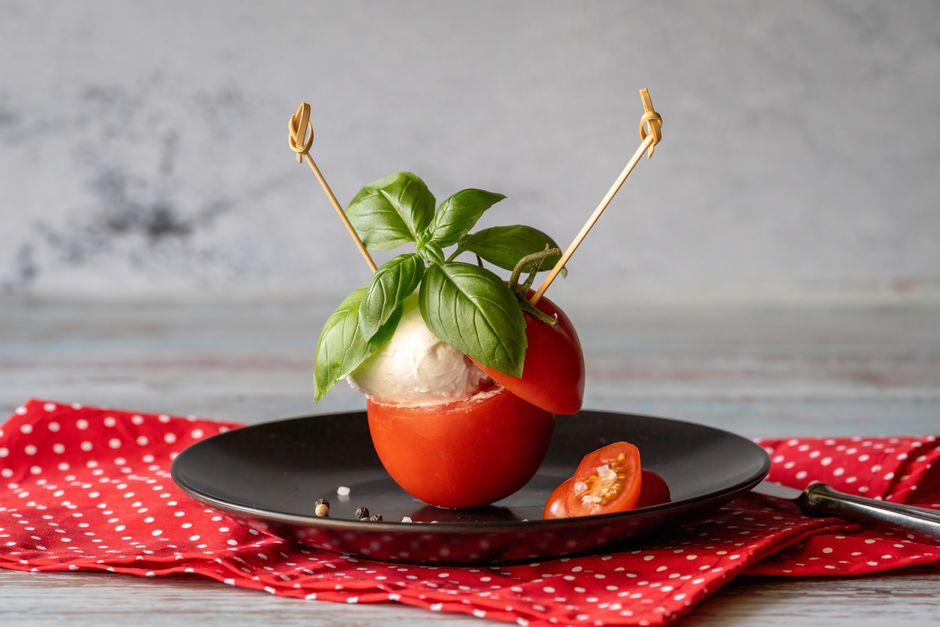
Mozzarella can be part of a healthy diet, but how healthy it is depends heavily on which kind you buy. Fresh mozzarella is a good source of protein and calcium with moderate calories. Low-moisture, part-skim mozzarella is one of the leaner cheeses you can eat. The processed mozzarella sold as “cheese product” or string cheese snacks is a different story, often higher in sodium and additives.
Most people asking this question want to know whether mozzarella fits into a balanced diet. It does, with some caveats. The type matters. The portion matters. And what you eat it with matters more than most people realize.
What Is the Nutritional Difference Between Fresh and Low-Moisture Mozzarella?
These are two genuinely different foods with different nutrition profiles, even though both carry the same name. Fresh mozzarella, the kind packed in water or brine, has a soft, moist texture and a mild, milky flavor. Low-moisture mozzarella, the kind you grate for pizza, is denser and has more protein and calcium per ounce.
The difference comes from moisture content. Fresh mozzarella is roughly 50 to 60 percent water. Low-moisture mozzarella has much less water, which concentrates the protein, fat, and minerals into a smaller volume. That means a one-ounce serving of low-moisture mozzarella delivers more nutrients than the same weight of fresh.
Here is a rough comparison based on USDA data for one ounce (28 grams):
| Nutrient | Fresh Mozzarella (whole milk) | Low-Moisture Part-Skim Mozzarella |
|---|---|---|
| Calories | ~85 | ~85 |
| Protein | ~6 g | ~7 g |
| Fat | ~6 g | ~6 g |
| Calcium | ~140 mg | ~200 mg |
| Sodium | ~150 mg | ~180 mg |
These numbers vary by brand and production method. The key takeaway is that both types are reasonable sources of protein and calcium, and neither is dramatically higher in fat than the other when you compare whole-milk fresh to part-skim low-moisture. That surprises people. Part-skim sounds leaner, and it is slightly higher in protein and calcium per ounce, but the calorie difference per serving is small.
Is Mozzarella Cheese Healthy Compared to Other Cheeses?
Mozzarella sits on the lower end of the fat and calorie spectrum for cheese. That is one reason it appears in so many weight-conscious recipes and meal plans.
Compared to cheddar, Swiss, or Parmesan, mozzarella generally has less fat and fewer calories per ounce. Parmesan, for example, is much denser and higher in fat and calories per ounce, though it is also higher in protein and calcium. Cheddar typically runs higher in fat and calories than part-skim mozzarella.
This does not make mozzarella a “health food” in the way marketing might suggest. It is a real food with real nutritional value, and it is one of the leaner options in the cheese case. But it is still a source of saturated fat and sodium, and those matter for heart health and blood pressure.
A detail often missed: the health comparison between cheeses is less about the cheese itself and more about how much you eat and what you eat it with. A small amount of full-fat cheddar on a salad is a different nutritional picture than a large pizza loaded with low-moisture mozzarella. The cheese type matters less than the portion and the context.
What Are the Health Benefits of Eating Mozzarella?
Mozzarella provides protein, calcium, and several micronutrients that matter for long-term health. Calcium is the standout. A single ounce of low-moisture part-skim mozzarella supplies roughly 200 mg of calcium, which is a meaningful contribution toward the 1,000 mg daily target for most adults.
Protein is the second major benefit. Mozzarella delivers about 6 to 7 grams of protein per ounce. That protein is complete, meaning it contains all the essential amino acids your body needs. For people who struggle to meet protein needs, cheese can be a practical source.
Mozzarella also supplies phosphorus, zinc, and vitamin B12. Phosphorus works with calcium in bone structure. Vitamin B12 is essential for nerve function and red blood cell formation, and it is found almost exclusively in animal foods, which makes dairy important for people who eat limited meat.
Some research suggests that dairy consumption, including cheese, is associated with a neutral or slightly reduced risk of cardiovascular disease compared to what older dietary guidelines predicted. The evidence is not uniform and the mechanisms are still being studied. What is clear is that the old idea that all saturated fat from dairy is uniformly harmful has been challenged by more recent research. That does not mean saturated fat is harmless. It means the picture is more complex than “cheese is bad for your heart.”
What About Sodium and Saturated Fat in Mozzarella?
Sodium and saturated fat are the two nutrients in mozzarella that deserve real attention. Both are present in meaningful amounts, and both matter for people managing blood pressure or heart health.
Mozzarella is not the highest-sodium cheese. Feta, halloumi, and many aged cheeses contain more sodium per ounce. But a single ounce of mozzarella still contributes roughly 150 to 180 mg of sodium, and most people eat more than one ounce at a time. Dietary guidelines generally recommend keeping sodium under 2,300 mg per day for most adults. Cheese adds up quickly.
Saturated fat is the other consideration. Whole-milk mozzarella contains more saturated fat than part-skim. Current dietary guidance still recommends limiting saturated fat to less than 10 percent of daily calories, though the evidence on dairy saturated fat specifically is more nuanced than that blanket recommendation implies. Some research suggests that saturated fat from dairy may not carry the same cardiovascular risk as saturated fat from processed meats, but the evidence is not settled and no major health organization has changed its saturated fat recommendation based on dairy alone.
For most healthy adults, a moderate amount of mozzarella fits within these limits. For people with high blood pressure, heart disease, or those advised to restrict sodium or saturated fat, portion awareness matters more.
Is Mozzarella Good for Weight Loss?
Mozzarella can fit into a weight-loss diet because it provides protein and satisfies appetite, but it is not a weight-loss food on its own. No food is.
Protein helps with satiety, the feeling of fullness after eating. Mozzarella’s protein content means a small portion can take the edge off hunger in a way that a low-protein snack might not. That is a practical advantage. Part-skim mozzarella is a common choice for people watching calories because it delivers slightly more protein and calcium per ounce without adding fat.
The risk with mozzarella is portion creep. Cheese is calorie-dense, and it is easy to eat more than intended, especially melted on food. A handful of shredded mozzarella can add 200 calories or more to a meal without changing how full you feel. That is not a reason to avoid it. It is a reason to measure it.
String cheese is a popular weight-loss snack for exactly this reason. It comes in pre-portioned sticks, usually one ounce each, which removes the guesswork. That convenience is real, though it is worth reading the label, because some string cheese products are processed cheese rather than actual mozzarella.
Is Processed Mozzarella Different From Real Mozzarella?
Yes, and the difference matters. Real mozzarella is made from milk, cultures, rennet, and salt. Processed mozzarella products, often labeled “cheese product,” “cheese food,” or “pasteurized process cheese,” contain added emulsifiers, stabilizers, and sometimes more sodium and less actual cheese.
The ingredient list is the fastest way to tell them apart. Real mozzarella lists milk and salt near the top. A processed product will list milk or cheese first but will also include ingredients like sodium citrate, calcium chloride, or whey. These are not dangerous, but they signal a product that has been reformulated for texture, shelf life, or cost, not nutrition.
This does not mean processed cheese is unsafe. It means the nutritional profile can differ from what you would expect from real mozzarella, sometimes with more sodium and less protein per serving. If you are choosing mozzarella for its nutritional value, the simpler the ingredient list, the better.
How Much Mozzarella Is Reasonable to Eat?
A one-ounce serving is a reasonable starting point for most adults, and it can fit into a balanced diet daily for many people. One ounce is roughly the size of a string cheese stick or a slice about the size of your thumb.
Larger portions are fine in context. A caprese salad with fresh mozzarella, tomatoes, and olive oil is a nutritious meal component. A pizza with mozzarella is not a health food, but it is not a dietary disaster either. The question is what the rest of your day looks like.
For people with specific health conditions, the answer changes. Anyone advised to limit sodium, saturated fat, or calories should talk with their healthcare provider or a registered dietitian about how cheese fits into their plan. There is no universal “right amount” that applies to everyone.
Frequently Asked Questions
Is mozzarella cheese healthier than cheddar?
Mozzarella generally has less fat and fewer calories per ounce than cheddar, making it a leaner choice. Part-skim mozzarella is especially lower in saturated fat compared to most cheddar varieties.
Is it OK to eat mozzarella cheese every day?
A one-ounce serving of mozzarella can fit into a daily balanced diet for most healthy adults. Amount and overall diet matter more than whether you eat it every day.
Is mozzarella good for weight loss?
Mozzarella can support weight loss because its protein helps with fullness, but it is calorie-dense and easy to overeat. Portion control is the deciding factor, not the cheese itself.
Is fresh mozzarella healthier than shredded mozzarella?
Neither is clearly healthier; they differ mainly in moisture, protein, and calcium density. Low-moisture shredded mozzarella has more protein and calcium per ounce, while fresh mozzarella has a softer texture and slightly less sodium.
