
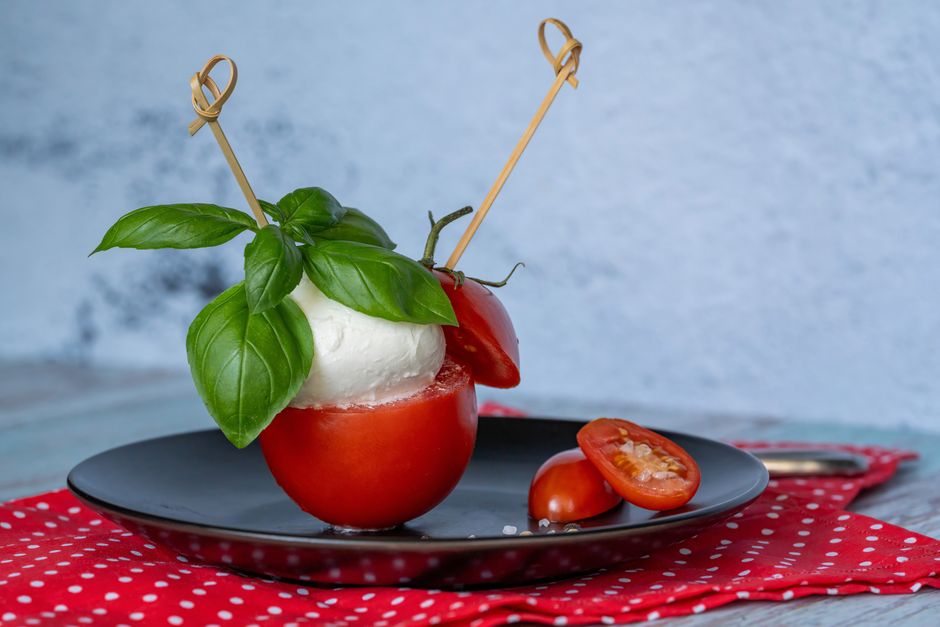
Mozzarella cheese can fit into a weight loss plan, but the answer depends entirely on portion size and which type you choose. Fresh mozzarella is relatively low in calories and high in protein compared to many other cheeses, making it a reasonable choice when eaten in controlled amounts. The key is understanding that cheese is calorie-dense, so success comes from treating it as a measured addition to meals, not an unlimited snack.
What Makes Mozzarella Different From Other Cheeses?
Mozzarella stands out because of its moisture content. Fresh mozzarella contains about 50% water, which means it delivers fewer calories per gram than harder cheeses like cheddar or parmesan. A typical serving of fresh mozzarella has roughly 70-85 calories per ounce, while cheddar pushes closer to 110-115 calories for the same amount.
That difference matters when you are counting calories. You can eat a larger volume of mozzarella for the same calorie cost as a smaller piece of cheddar. The protein content is also respectable, with about 6 grams per ounce, which supports satiety and helps preserve muscle mass during weight loss.
Part-skim mozzarella reduces the fat content further. It has about 15% less fat than whole-milk mozzarella, which translates to fewer calories per serving. The trade-off is a slightly less creamy texture, but for weight loss purposes, the calorie savings are worth considering.
Is Mozzarella Cheese Good for Weight Loss? The Protein and Satiety Factor
Protein is the most filling macronutrient, and mozzarella provides a meaningful amount per serving. Studies consistently show that high-protein foods increase feelings of fullness and reduce subsequent food intake. The protein in mozzarella, primarily casein, digests slowly and keeps you satisfied longer than many carbohydrate-based snacks.
Pairing mozzarella with fiber-rich foods amplifies this effect. A salad with fresh mozzarella, tomatoes, and olive oil delivers protein, fiber, and healthy fats in one meal. That combination slows digestion and stabilizes blood sugar, which helps prevent the energy crashes that lead to snacking later.
Mozzarella also contains conjugated linoleic acid, a fatty acid found in dairy products. Some research suggests CLA may support modest fat loss, but the amounts in cheese are small. Relying on mozzarella for CLA benefits would require eating far more cheese than is sensible for weight loss. Treat it as a bonus, not a reason to eat more.
Portion Control: The Real Deciding Factor
No food is fattening on its own. Weight gain happens when total calorie intake exceeds energy expenditure. Mozzarella is calorie-dense, so portion size determines whether it helps or hurts your weight loss efforts.
A reasonable serving is about one ounce, roughly the size of two dice or a pair of thumbs. That amount fits well into a balanced meal. Problems arise when mozzarella is eaten by the handful, melted over an entire pizza, or added to sandwiches without measuring.
Pre-portioned options help. String cheese sticks are typically one ounce each and come individually wrapped, which builds portion control into the product. Fresh mozzarella balls, called bocconcini, are also naturally portioned and easy to count.
Weighing cheese at home is the most accurate approach. A kitchen scale removes guesswork and prevents the common mistake of underestimating how much you are actually eating. This is especially important because cheese is easy to overconsume without realizing it.
-
 Can Rapid Weight Loss Cause Menstrual Bleeding? The Real Answer
 -
Does Sleep Apnea Go Away with Weight Loss? The Real Answer
-
Is Apple Cider Vinegar is Good for Weight Loss? The Real Answer
-
Does Magnesium Glycinate Cause Weight Loss? The Real Answer
-
Liv Pure Reviews 2026: Work for Weight Loss Or A New Scam?



Fresh Mozzarella vs. Shredded and Processed Varieties
Not all mozzarella is created equal. Fresh mozzarella, sold in water or vacuum-sealed, is the least processed and has the simplest ingredient list: milk, salt, and rennet. It also has the highest moisture content, which means fewer calories per gram.
Shredded mozzarella often contains anti-caking agents like potato starch or cellulose powder. These additives are harmless but add bulk without nutrition. More importantly, some shredded varieties are made from part-skim milk and have slightly different calorie counts, so check the label.
Low-moisture mozzarella, commonly used on pizza, is a different product entirely. It has less water and more fat, making it more calorie-dense than fresh mozzarella. It also melts differently and has a firmer texture. For weight loss, fresh mozzarella is the better choice because you get more volume for the same calories.
Processed cheese products labeled as mozzarella, such as cheese slices or cheese spreads, are not the same thing. These contain added emulsifiers, oils, and flavorings. They may have similar calorie counts, but they lack the protein density and simplicity of real mozzarella.
How Mozzarella Compares to Other Popular Cheeses
Understanding where mozzarella sits relative to other cheeses helps you make informed choices. The table below shows approximate values for one-ounce servings of common cheeses. These are general figures and can vary by brand and preparation.
| Cheese Type | Calories per Ounce | Protein per Ounce | Fat per Ounce |
|---|---|---|---|
| Fresh Mozzarella (part-skim) | 70-80 | 6-7 g | 4-5 g |
| Fresh Mozzarella (whole milk) | 80-90 | 6 g | 6-7 g |
| Low-Moisture Mozzarella | 85-90 | 6 g | 6-7 g |
| Cheddar | 110-115 | 6-7 g | 9-10 g |
| Parmesan | 110-120 | 10 g | 7-8 g |
| Swiss | 105-110 | 8 g | 8-9 g |
Parmesan offers more protein per calorie, but it is typically used in smaller amounts as a flavoring rather than a standalone food. Mozzarella strikes a practical balance between protein, calories, and versatility in everyday meals.
Sodium Content and Other Health Considerations
Mozzarella is not just calories and protein. It also contains sodium, which matters for blood pressure and fluid retention. Fresh mozzarella typically has about 150-200 mg of sodium per ounce. Low-moisture varieties can contain significantly more, sometimes exceeding 250 mg per ounce.
For most healthy adults, the recommended sodium limit is 2,300 mg per day. A single ounce of mozzarella fits within that budget, but it adds up quickly when combined with other salty foods. If you eat mozzarella regularly, pay attention to your overall sodium intake.
Mozzarella also provides calcium, with about 20% of the daily value per ounce. Calcium is essential for bone health, and some research suggests it may play a role in weight regulation, though the evidence is not strong enough to make specific claims. The calcium benefit is real, but it is not a weight loss mechanism.
Lactose-intolerant individuals should note that mozzarella contains some lactose, though less than milk. Fresh mozzarella has slightly more lactose than aged varieties because aging reduces lactose content. Most people with mild lactose intolerance can tolerate small amounts of mozzarella, but individual tolerance varies.
Practical Ways to Include Mozzarella in a Weight Loss Diet
Mozzarella works best as part of a meal, not as a standalone snack. Here are practical ways to use it without derailing your calorie goals:
- Add fresh mozzarella to salads with leafy greens, cherry tomatoes, and a light vinaigrette.
- Use part-skim mozzarella on homemade pizza with a thin whole-wheat crust and plenty of vegetables.
- Pair a mozzarella stick with an apple or a handful of almonds for a balanced snack.
- Top roasted vegetables with a small amount of shredded mozzarella in the last few minutes of cooking.
- Include mozzarella in an omelet with spinach and mushrooms for a protein-rich breakfast.
The common thread is using mozzarella to enhance meals that already contain vegetables, fiber, and other nutrient-dense foods. Cheese should complement the meal, not dominate it.
Avoid the trap of adding mozzarella to foods that are already calorie-dense. Melting it over pasta, layering it into sandwiches with heavy sauces, or eating it alongside crackers and cured meats can quickly turn a reasonable food into a calorie surplus.
What the Research Actually Says About Dairy and Weight Loss
Research on dairy and weight loss has produced mixed results. Some observational studies suggest that higher dairy intake is associated with lower body weight and less abdominal fat. Other studies find no significant effect. The evidence does not support the idea that eating more dairy, including mozzarella, causes weight loss on its own.
What the research does support is that protein and calcium, both present in mozzarella, contribute to satiety and metabolic function. A 2020 meta-analysis of randomized controlled trials found that increasing protein intake to 25-30% of total calories improved weight loss outcomes compared to standard protein intake. Mozzarella can contribute to that protein target, but it is not uniquely effective compared to other protein sources.
The practical takeaway is straightforward: mozzarella is a reasonable protein source that can fit into a calorie-controlled diet. It is not a magic weight loss food, and no study suggests it is. Its value comes from being a satisfying, versatile food that helps you stick to your eating plan without feeling deprived.
Frequently Asked Questions
Can I eat mozzarella every day while trying to lose weight?
Yes, if you keep portions to about one ounce per day and account for the calories in your daily total. Consistency matters more than any single food choice.
Is fresh mozzarella better than shredded for weight loss?
Fresh mozzarella is usually better because it has more water and fewer calories per serving than most shredded varieties. Check labels, since some shredded products contain added starches and higher sodium.
How much mozzarella can I eat without gaining weight?
There is no universal number because it depends on your total calorie needs and what else you eat. One ounce per day is a safe starting point for most people on a weight loss diet.
Does mozzarella help you feel full longer?
Yes, the protein and fat in mozzarella slow digestion and increase satiety compared to low-protein snacks. Pairing it with fiber-rich foods like vegetables extends that fullness further.
