
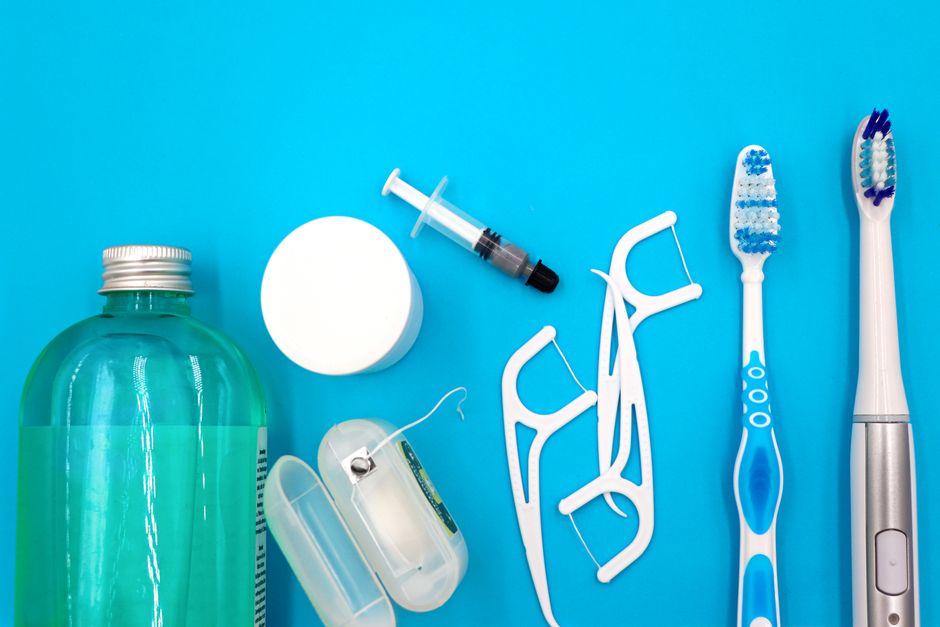
Alcohol in mouthwash is not automatically dangerous, but it is also not doing your mouth any favors. The main concern is not cancer or poisoning at normal use — it is dryness, burning, and irritation, especially for people who use it every day. For most healthy adults, an alcohol-based rinse used as directed is unlikely to cause serious harm, but alcohol-free options do the same basic job without the sting.
Why Does Mouthwash Contain Alcohol?
Alcohol is in mouthwash for practical reasons, not therapeutic ones. It acts as a solvent that helps dissolve other ingredients like flavor oils and menthol. It also works as a mild preservative, keeping the product stable on a shelf for months or years.
In higher concentrations, alcohol can kill bacteria. That sounds useful, but it is a blunt tool. Alcohol does not distinguish between harmful bacteria and the beneficial bacteria your mouth needs. It also evaporates quickly and does not leave any lasting antibacterial effect behind.
One common misunderstanding: people assume the alcohol is what makes mouthwash “work.” That is not accurate. The ingredients that actually reduce plaque and gum inflammation are things like chlorhexidine, cetylpyridinium chloride, essential oils, or fluoride — depending on the product. Alcohol is mostly there for formulation, not function.
Is Mouthwash With Alcohol Bad for Your Mouth?
Alcohol-based mouthwash can cause real problems for some people, particularly with regular use. The most consistent issue is dry mouth. Alcohol has a drying effect on oral tissues, and saliva is your mouth’s natural defense against bacteria and acid.
When saliva production drops, the environment becomes more favorable for cavity-causing bacteria and gum irritation. This is a particular concern for people who already have dry mouth from medications, age, or medical conditions. Adding an alcohol rinse on top of that can make things worse.
Other reported effects include:
- Burning or stinging sensation, especially in people with mouth sores or sensitive gums
- Mucosal irritation with frequent use
- Worsening of bad breath over time, as dryness allows odor-causing bacteria to multiply
- Unpleasant taste and a strong alcohol smell
These effects are not universal. Many people use alcohol-based mouthwash for years without noticeable problems. The response depends on the individual, the concentration of alcohol, and how often the product is used.
Does Alcohol Mouthwash Cause Oral Cancer?
This is the most serious question people ask, and the honest answer is that the evidence is not settled. Some studies have suggested a possible link between long-term alcohol-containing mouthwash use and cancers of the mouth or throat. Other studies have found no such link.
The research here is genuinely mixed. Many of the studies that raised concern had limitations — small sample sizes, reliance on people remembering their past mouthwash habits, or failure to account for smoking and alcohol drinking, which are the two most established risk factors for oral cancer.
What is well established: heavy drinking of alcoholic beverages and tobacco use are major risk factors for oral and throat cancers. Whether the small amount of alcohol in mouthwash, swished and spit out, contributes meaningfully to that risk is not something current evidence can confirm or rule out.
Some professional bodies have at times suggested that people at higher risk — such as smokers or heavy drinkers — might reasonably choose alcohol-free products as a precaution. That is a cautious position, not a confirmed cause-and-effect finding. If you have concerns about oral cancer risk, that conversation belongs with your dentist or doctor, not with a product label.





Is Alcohol-Free Mouthwash Just as Effective?
For most everyday purposes, yes. Alcohol-free mouthwashes contain the same active ingredients — fluoride, essential oils, cetylpyridinium chloride — without the drying and stinging effects.
What you give up is mostly the quick evaporative sensation and the sharp taste, which some people associate with “clean.” What you keep is the actual function: reducing plaque, freshening breath, and delivering fluoride if the product contains it.
There is one important exception. Prescription-strength chlorhexidine mouthwash, used for specific gum conditions or after dental procedures, is typically prescribed as a specific formulation. If your dentist prescribed it, that is a clinical decision, and you should follow their instructions rather than swapping it for an over-the-counter product on your own.
For routine use, a fluoride alcohol-free rinse is a reasonable choice for most people. It avoids the dryness issue and is generally better tolerated.
Who Should Avoid Alcohol-Based Mouthwash?
Some groups have clearer reasons to skip alcohol rinses than others. If any of the following apply, an alcohol-free option is likely the better fit:
- People with dry mouth, whether from medications, Sjögren’s syndrome, or other causes
- Anyone with mouth ulcers, gum disease, or recent oral surgery
- People undergoing radiation therapy to the head or neck
- Those who wear dentures or have sensitive oral tissue
- Children, unless a dentist specifically recommends otherwise
- People in recovery from alcohol use disorder, who may prefer to avoid alcohol in any form
For healthy adults with no dry mouth and no oral irritation, alcohol-based mouthwash used as directed is unlikely to cause harm. That does not mean it is necessary. Mouthwash is an add-on, not a replacement for brushing twice a day and cleaning between your teeth.
Does Mouthwash Actually Improve Oral Health?
Mouthwash is a supplement to brushing and flossing, not a substitute. This is one of the most consistent findings in dental research. If you skip brushing but rinse with mouthwash, you are not protecting your teeth.
What mouthwash can do depends on its ingredients:
- Fluoride rinses can help prevent cavities, particularly in people at higher risk
- Antibacterial rinses can reduce plaque and mild gum inflammation when used alongside brushing
- Cosmetic rinses mainly freshen breath for a short time without affecting bacteria much
For bad breath specifically, mouthwash can mask odor temporarily. If bad breath is persistent, the cause is usually bacteria on the tongue, gum disease, or a dry mouth — not something a rinse will fix on its own.
How to Choose a Mouthwash
The most useful question is not “does it have alcohol?” but “what do I need it to do?” A few practical points:
- Look for fluoride if cavity prevention is your goal
- Choose alcohol-free if you have dry mouth, sensitivity, or irritation
- Check for a seal from a dental association if you want a product that has met certain testing standards
- Follow the label — most rinses are meant to be swished for a short time and spit out, not swallowed
- Do not rinse immediately after brushing if your toothpaste contains fluoride; you may wash away the benefit
If you are unsure what you need, your dentist can tell you based on your specific oral health. That is a better guide than the marketing on the bottle.
Frequently Asked Questions
Is mouthwash with alcohol bad for you?
For most healthy adults, using it as directed is unlikely to cause serious harm. The main downsides are dry mouth, burning, and irritation, especially with frequent use.
Does alcohol in mouthwash cause cancer?
The evidence is mixed, and no study has confirmed that the alcohol in mouthwash causes oral cancer. Smoking and heavy drinking remain the well-established risk factors.
Is alcohol-free mouthwash better?
For most people, alcohol-free mouthwash works just as well for routine use and avoids the drying and stinging. If your dentist prescribed a specific rinse, follow their instructions instead.
Can I use alcohol mouthwash every day?
Many people do without problems, but daily use can worsen dry mouth and irritation over time. If you notice either, switching to an alcohol-free product is a reasonable step.
