

Morning sickness is not a reliable sign of pregnancy on its own. Nausea and vomiting can happen for many reasons, and some of them have nothing to do with being pregnant. Pregnancy is a common cause, but it is not the only one. Anyone trying to work out whether nausea means pregnancy needs more than that single symptom to go on.
The name itself causes confusion. “Morning sickness” suggests it only happens in the morning, yet pregnancy nausea can strike at any hour. And plenty of non-pregnant people feel sick in the morning too. So the honest answer to whether morning sickness always means pregnancy is no.
Why Is Morning Sickness Linked To Pregnancy In The First Place?
Pregnancy nausea and vomiting is a real and well-documented condition, usually starting in the first trimester. It affects a large share of pregnant women, though estimates vary widely depending on how it is defined and measured.
The exact cause is not fully understood. The strongest current explanation involves the hormone human chorionic gonadotropin (hCG), which rises sharply in early pregnancy. The timing lines up: nausea tends to peak when hCG peaks. Estrogen is also thought to play a part. Some research points to a protein called GDF15, which appears to influence how sensitive a person is to nausea during pregnancy.
This is why pregnancy is a reasonable first thought when a person of childbearing age feels nauseated. But a plausible mechanism is not the same as a reliable sign. Many other conditions produce the same feeling, and some of them are serious.
Is Morning Sickness A Sign Of Pregnancy Not Always — What Else Causes It?
Nausea and vomiting have a long list of causes, and most have nothing to do with pregnancy. Some are minor and pass quickly. Others need medical attention.
Common non-pregnancy causes include:
- Gastrointestinal infections — viral gastroenteritis is a frequent cause of sudden nausea and vomiting.
- Food poisoning — usually comes on within hours of eating contaminated food.
- Migraine — headaches are often accompanied by nausea, sometimes without much head pain.
- Motion sickness — triggered by movement in cars, boats, or planes.
- Medication side effects — many drugs list nausea as a common effect.
- Low blood sugar — can cause queasiness, especially if a meal has been skipped.
- Anxiety and stress — the gut and brain are closely connected, and emotional strain can produce real nausea.
- Hormonal shifts — thyroid changes and other hormonal conditions can cause nausea.
There are also more serious causes. These include gallbladder disease, pancreatitis, appendicitis, kidney problems, and conditions affecting the brain. These are not common, but they matter because nausea alone cannot tell them apart from pregnancy.
This is the part people often miss: nausea is a symptom, not a diagnosis. It tells you something is happening. It does not tell you what.
Can You Have Morning Sickness Without Being Pregnant?
Yes. Anyone can feel nauseated in the morning without being pregnant. The time of day means little on its own.
Morning nausea can come from low blood sugar after a long overnight fast, from poor sleep, from reflux, or from the body’s natural daily rhythm of hormones like cortisol. It can also be a migraine pattern. Some people simply feel queasy in the morning for reasons that never get a clear label.
The label “morning sickness” is a poor guide. Pregnancy nausea is not tied to the morning, and morning nausea is not tied to pregnancy. The two overlap, but they are not the same thing.



How Can You Tell Pregnancy Nausea From Other Nausea?
You often cannot tell them apart from the feeling alone. Pregnancy nausea and other nausea can feel identical. What helps is looking at the full picture rather than one symptom.
Features that lean toward pregnancy include:
- Nausea that started around the time a period was missed
- Breast tenderness and swelling
- Unusual tiredness
- Food aversions or a heightened sense of smell
- Needing to urinate more often
Features that lean away from pregnancy include nausea that came on suddenly with diarrhea, nausea after a specific meal, or nausea alongside a headache with visual changes.
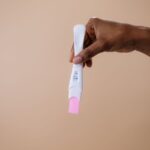
None of these are decisive. A missed period plus nausea is suggestive but not proof. The only way to confirm pregnancy is a pregnancy test, and a home urine test is generally reliable when used correctly after a missed period. A blood test at a clinic can detect pregnancy earlier.
If there is any doubt, test. Guessing from symptoms leads people in the wrong direction in both ways — some assume pregnancy when there is none, and some miss it because their nausea did not look “typical.”
When Does Nausea Need Medical Attention?
Most nausea is not an emergency. Some patterns do need prompt medical care, and this applies whether or not pregnancy is possible.
Seek medical attention if nausea and vomiting come with:
- Severe belly pain, especially pain that is new and getting worse
- Signs of dehydration — very dark urine, dizziness on standing, a dry mouth, or urinating very little
- Blood in vomit, or vomit that looks like coffee grounds
- A severe headache, stiff neck, confusion, or vision changes
- Vomiting that will not stop, or that prevents keeping any fluids down
- Fever with a stiff neck or a rash
In pregnancy, severe ongoing nausea and vomiting can be a sign of hyperemesis gravidarum, a condition that can cause dehydration and weight loss and often needs treatment. It is more serious than ordinary pregnancy nausea and should be assessed by a clinician.
This is not a complete list. When something feels wrong or is getting worse rather than better, getting checked is the safer choice.
Does The Severity Of Nausea Say Anything About The Pregnancy?
People often ask whether strong nausea means a healthier pregnancy, or a girl rather than a boy. The evidence here is weaker than the folk wisdom suggests.
Some studies have found a statistical link between nausea and vomiting in pregnancy and a lower rate of miscarriage. That is a population-level pattern, not a rule for any one person. Plenty of healthy pregnancies involve little or no nausea, and nausea does not guarantee a pregnancy will go smoothly.
Claims that the severity of nausea predicts the baby’s sex are not well supported. Some research has reported a slight association, but it is not strong enough to rely on, and it should not be used to guess.
The practical takeaway is simple: mild to moderate nausea is common and usually manageable. Severe nausea that interferes with eating, drinking, or daily life deserves medical attention, not reassurance that it means everything is fine.
What Should You Do If You Suspect Pregnancy?
Take a pregnancy test. That is the single most useful step, and it settles the question far better than reading symptoms.
A home urine test is most accurate when taken after a missed period, using first-morning urine. If the result is negative and symptoms continue, or if the period still does not come, repeat the test in a few days or see a clinician. Early testing can miss a pregnancy because hormone levels may still be low.
If pregnancy is confirmed, arrange early prenatal care. If it is not, and nausea continues or worsens, keep looking for the cause rather than assuming it will pass. Nausea that lasts for weeks or keeps coming back is worth investigating.
The bottom line: morning sickness can be a sign of pregnancy, but it is not a dependable one. Treat it as a clue, not a conclusion, and let a test give you the real answer.
Frequently Asked Questions
Can you have morning sickness and not be pregnant?
Yes. Nausea and vomiting have many causes, including infections, migraines, food poisoning, and medication side effects, and none of these require pregnancy. The feeling alone cannot tell you the cause.
How soon can nausea start in early pregnancy?
Pregnancy nausea most often begins within the first several weeks after conception, commonly around the time a period is missed. Timing varies a lot between individuals, and some people feel nothing at all.
Does morning sickness always happen in the morning?
No. Despite the name, pregnancy nausea can occur at any time of day or night. The morning association is a common pattern, not a rule.
Can stress cause nausea that feels like morning sickness?
Yes. Stress and anxiety can cause genuine nausea because the gut and brain are closely linked. It can feel very similar to pregnancy nausea, so a pregnancy test is the reliable way to tell them apart.
