
Misophonia is not a form of autism. It is a separate condition in which specific sounds trigger intense emotional and physical reactions. Misophonia and autism can occur in the same person, and some of their features overlap, but researchers and clinicians treat them as distinct.
That distinction matters. It affects how each condition is assessed and managed. It also explains why a sound sensitivity in an autistic person and misophonia in a non-autistic person are not the same thing, even when they look similar from the outside.
What Is Misophonia?
Misophonia is a condition where certain sounds cause strong, automatic reactions that feel out of proportion to the sound itself.
The most common triggers are ordinary human sounds. Chewing, lip smacking, sniffing, throat clearing, pen clicking, and repetitive tapping are frequently reported. The reaction is not simply annoyance. People describe anger, disgust, panic, or a fight-or-flight response. Heart rate can rise, muscles tense, and some people feel an urge to escape or block the sound.
The pattern that separates misophonia from ordinary irritation is the loss of control. A person may know the reaction is excessive and still be unable to stop it. Distress can persist for hours after the sound stops. Many people begin avoiding meals with family, classrooms, or workplaces to prevent exposure.
Misophonia is not currently listed as a standalone diagnosis in the main psychiatric classification manual used in the United States. Researchers have proposed specific criteria, and it is increasingly recognized in clinical practice, but official diagnostic status is still evolving. That is an important caveat: much of what is known comes from smaller studies and clinical observation rather than large trials.
What Is Autism Spectrum Disorder?
Autism spectrum disorder is a developmental condition that affects how a person communicates, interacts socially, and processes sensory information.
It is diagnosed based on patterns present early in development. These include differences in social communication, restricted interests, and repetitive behaviors. Sensory differences are common. Many autistic people are hypersensitive to sound, light, touch, or texture. Others are hyposensitive and seek out sensory input.
Autism is a spectrum. Two autistic people can have very different profiles, support needs, and sensitivities. Sound sensitivity is a frequent feature, but it is one part of a much broader developmental picture.
Is Misophonia A Form Of Autism? The Key Differences
Misophonia is not a form of autism. The two conditions differ in what triggers the reaction, how the reaction works, and when the pattern typically appears.
The clearest difference is the trigger. Misophonia is usually tied to specific sounds, most often those made by other people, and often sounds connected to the mouth or repeated movements. The reaction is highly selective. A person with misophonia may be unbothered by loud traffic or music but intensely distressed by a single person chewing nearby.
Autistic sound sensitivity tends to be broader. It often involves loud, unexpected, or overlapping sounds, and the distress is usually about the sensory load rather than the specific source. A fire alarm, a crowded cafeteria, or a blender can be overwhelming. The problem is the volume and complexity of the input.
The emotional signature also differs. Misophonia reactions are frequently described as anger, rage, or disgust directed at the person making the sound. Autistic sensory overload is more often described as pain, panic, or shutdown, without the same focused irritation at a specific individual.
Age of onset gives another clue. Misophonia commonly emerges in late childhood or early adolescence. Autism is a developmental condition with signs present in early childhood, even if it is diagnosed later.



How Misophonia And Autism Overlap
Some people have both conditions, and the overlap is real enough that researchers have studied it directly. Some studies suggest that sound sensitivity is more common in autistic people than in the general population, and a subset of autistic people report reactions that look like classic misophonia.
There is a practical trap here. Because both conditions involve sound sensitivity, one can be mistaken for the other. An autistic person with misophonia may have their sound reactions attributed entirely to autism. A non-autistic person with misophonia may be told they are “on the spectrum” because of their sensory reactions. Neither assumption holds up.
This is a point worth stating plainly: sound sensitivity is a symptom, not a diagnosis. The same symptom can arise from different underlying conditions. Getting the right label matters because the strategies that help are not identical.
Can Misophonia Be Mistaken For Autism?
Misophonia can be mistaken for autism, and the reverse also happens. The confusion usually comes from focusing on a single feature, such as sound sensitivity, instead of the full picture.
Autism is defined by differences in social communication and behavior that are present early and across many settings. Misophonia is defined by specific sound triggers and the intense reactions they produce. A person with misophonia alone does not have the social communication differences that define autism. A person with autism alone may have sound sensitivity without the selective, person-directed triggers of misophonia.
Self-assessment tools online are a poor substitute for proper evaluation. Online quizzes cannot separate these conditions, and they often blur the lines further. A clinician with experience in both developmental conditions and sensory disorders is the appropriate source for a real assessment.
How Are These Conditions Evaluated?
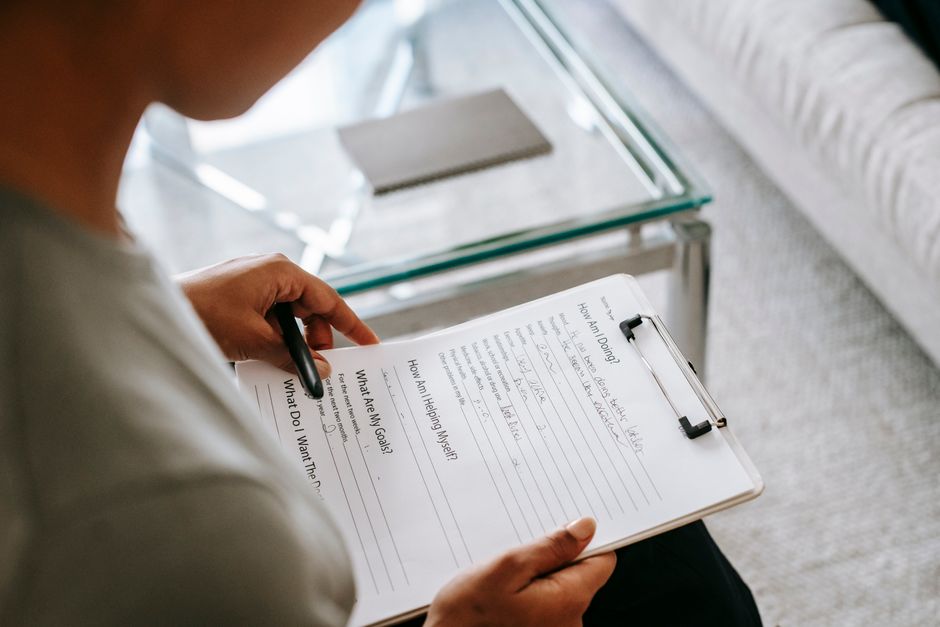
Evaluation starts with a detailed history. A clinician asks what specific sounds trigger the reaction, when the pattern began, how intense the reaction is, and how much it interferes with daily life.
For possible autism, the assessment looks at development, social communication, and behavior across the person’s life. For misophonia, the focus is on the selectivity of the triggers, the emotional response, and the degree of avoidance or distress.
There is no blood test, brain scan, or genetic test that diagnoses either condition. Diagnosis is clinical, based on established criteria and clinical judgment. Because misophonia lacks a formal standalone diagnosis in the main US classification manual, clinicians often describe it as a distinct but under-recognized condition rather than assigning an official code.
What Helps, And What The Evidence Shows
No medication is approved to treat misophonia. The evidence for most treatments is limited, and much of what clinicians do is based on small studies and clinical experience rather than large trials.
Sound therapy, including the use of background sound or ear-level devices, is used in some clinical settings. Cognitive behavioral approaches have been studied and are used to help people manage reactions and reduce avoidance. Tinnitus retraining-style approaches have been tried. The honest position is that these strategies are commonly used but not confirmed by large, high-quality trials.
For autistic sound sensitivity, the approach is often broader. It may include environmental adjustments, sensory accommodations, and support with regulation. Some autistic people benefit from noise-reducing headphones or planned breaks from overwhelming environments.
What does not have solid support is the idea that one treatment fixes both. Because the conditions differ, the strategies differ. Counseling aimed at managing anger and avoidance in misophonia is not the same as support for sensory overload in autism.
If sound reactions are causing significant distress or avoidance, a clinician experienced in sensory and developmental conditions is the right starting point. Self-diagnosis from internet quizzes tends to add confusion rather than clarity.
Frequently Asked Questions
Is misophonia a form of autism?
No, misophonia is a separate condition and not a form of autism. The two can occur together, and both involve sound sensitivity, but they have different triggers, reactions, and diagnostic criteria.
Can you have misophonia and autism at the same time?
Yes, some people have both conditions, and research indicates the overlap is not rare. When both are present, each should be assessed and addressed on its own terms.
What sounds trigger misophonia most often?
Common triggers include chewing, lip smacking, sniffing, throat clearing, and repetitive tapping. The reaction is usually specific to certain sounds rather than to loud noise in general.
Is there a cure for misophonia?
No cure is established, and no medication is approved for it. Some behavioral and sound-based strategies are used clinically, but large high-quality trials confirming their effectiveness are lacking.
