
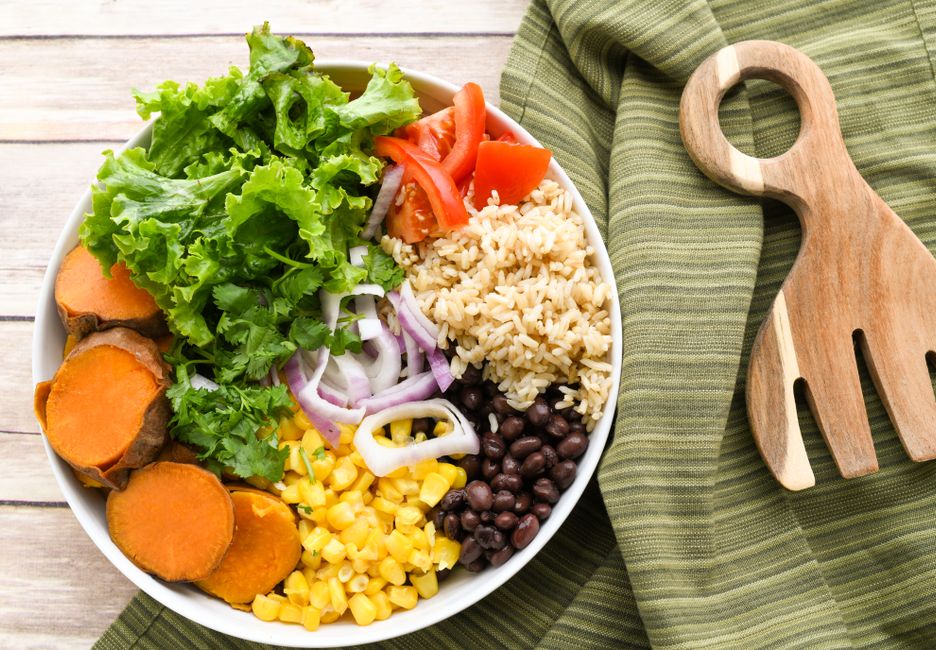
Minute Rice is not bad for you in the sense that it is unsafe to eat. But it is a processed white rice product that has a higher glycemic index and fewer nutrients than whole grain rice options. If you eat it as part of a balanced diet and watch portion sizes, it is not harmful. However, for people managing blood sugar or seeking maximum nutrition, whole grain rice is a better choice.
What Is Minute Rice Made Of?
Minute Rice is a brand of instant white rice. The rice is harvested, then partially cooked and dehydrated so it only needs a few minutes of rehydration at home. This process is called parboiling or precooking. The grains are steamed under pressure, then dried and sometimes slightly crushed to allow faster water absorption.
Because it is precooked, Minute Rice has a softer texture and cooks in about 5 minutes. The main ingredient is white rice, which has had the husk, bran, and germ removed. Some varieties include added vitamins and minerals (enriched rice), but the natural fiber and many of the original nutrients are lost during processing.
Does Minute Rice Have Less Nutrition Than Regular Rice?
Yes, Minute Rice has less fiber and fewer naturally occurring B vitamins and minerals than brown rice. Compared to regular white rice, the difference is smaller. Both white rice and Minute Rice are milled and polished, stripping away the bran and germ. The precooking step for Minute Rice causes additional loss of some water-soluble vitamins, such as folate and thiamine.
However, most instant white rice sold in the United States is enriched. That means iron, niacin, thiamine, and folic acid are added back after processing. Enriched Minute Rice provides roughly the same level of these added nutrients as regular enriched white rice. The key difference is fiber. Brown rice has about 3.5 grams of fiber per cup cooked. White rice and Minute Rice have less than 1 gram per cup.
Is Minute Rice High on the Glycemic Index?
Minute Rice has a high glycemic index. The glycemic index (GI) measures how quickly a food raises blood sugar. Instant white rice has a GI similar to or slightly higher than regular white rice, and significantly higher than brown rice.
The precooking and drying process breaks down some of the starch, making it easier for your body to digest and absorb. That causes a faster rise in blood glucose. For someone with diabetes or prediabetes, this spike can be a concern. Substituting whole grain rice or other low-GI grains can help manage blood sugar.




Does Minute Rice Contain Arsenic?
All rice contains some arsenic, a naturally occurring element found in soil and water. Rice absorbs more arsenic than most other grains. Minute Rice, like any white rice product, contains arsenic. The level depends on where the rice was grown and how it was processed.
The U.S. Food and Drug Administration has set limits for inorganic arsenic in infant rice cereal but not for other rice products. For adults, occasional rice consumption is not considered a health risk. But regular, high intake of rice – including Minute Rice – may increase long-term arsenic exposure. If you eat rice several times a week, it is wise to vary your grains. Cooking rice in extra water and draining it can reduce arsenic content, but this method works best for long-grain rice, not instant rice.
Is Minute Rice Healthy for Weight Loss or Diabetes?
For weight loss, Minute Rice is not ideal. It is low in fiber and protein, which help keep you full. A single cup of cooked Minute Rice has about 200 calories and 45 grams of carbohydrates. That is similar to regular white rice. The lack of fiber means it may not satisfy hunger for long, which could lead to eating more later.
For diabetes management, the high glycemic index is a concern. Eating Minute Rice without added protein, fat, or fiber can cause a rapid rise in blood sugar. The American Diabetes Association does not specifically recommend against instant rice, but they do advise choosing whole grains and limiting high-GI foods. If you eat Minute Rice, pair it with a lean protein and vegetables to slow glucose absorption.
How Does Minute Rice Compare to Brown Rice?
| Feature | Minute Rice (white, instant) | Brown Rice |
|———|—————————–|————|
| Fiber | < 1 gram per cup | ~3.5 grams per cup |
| Glycemic Index | High (80–90) | Medium (about 50) |
| Cooking time | 5 minutes | 40–50 minutes |
| Nutrient retention | Enriched, but fewer natural vitamins | Whole grain, more B vitamins, magnesium, phosphorus |
| Arsenic | Similar to white rice (lower than brown in some cases because bran is removed) | Higher because arsenic accumulates in the bran |Brown rice is clearly more nutritious and better for blood sugar control. But it takes much longer to cook. Minute Rice offers convenience. For occasional use, Minute Rice is not harmful – it is simply less beneficial than whole grain options.
Are There Any Health Risks Specific to Minute Rice?
No unique health risks beyond those associated with white rice in general. The processing does not introduce harmful chemicals. Minute Rice is safe to eat. The main concerns are the same as for any refined grain: lower nutrient density, higher glycemic response, and lower satiety.
Some people worry about preservatives or additives. Most Minute Rice products contain no preservatives. The ingredient list is usually just “enriched parboiled rice.” If you have celiac disease or gluten sensitivity, Minute Rice is naturally gluten-free.
One practical note: because Minute Rice cooks so quickly, it is easy to overcook or eat large portions. Overeating any refined grain can contribute to unwanted weight gain and blood sugar issues.
Frequently Asked Questions
Is Minute Rice bad for diabetics?
Minute Rice has a high glycemic index and can cause rapid blood sugar spikes. Diabetics should limit portions and pair it with protein and fiber to slow absorption.
Is Minute Rice as healthy as regular white rice?
Yes, nutritionally they are very similar. Both are enriched white rice products with low fiber and similar calories and carbohydrates.
Does Minute Rice cause weight gain?
No food alone causes weight gain. But Minute Rice is low in fiber and protein, so it may be less filling than whole grains, leading to larger portions and higher calorie intake.
Can you eat Minute Rice on a low-carb diet?
Minute Rice is high in carbohydrates – about 45 grams per cup. It does not fit a strict low-carb or ketogenic diet. Small amounts might fit in a moderate low-carb plan if accounted for.
