
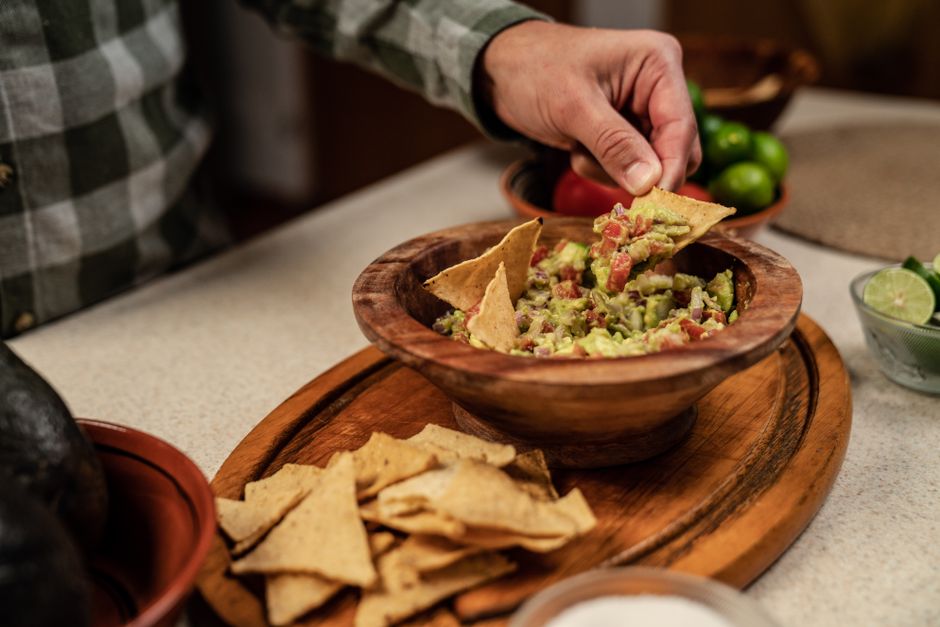
Mexican food can be very healthy. It depends on what’s on the plate. The core of traditional Mexican cooking — beans, corn, tomatoes, chiles, avocado, fresh herbs, and lean meats — lines up well with what nutrition research consistently supports. The trouble starts with how the food is prepared, portioned, and topped, especially in the Americanized versions most people encounter at restaurants.
Is Mexican Food Healthy? The Short Answer
Yes, traditional Mexican food has a strong nutritional foundation. It is built on vegetables, legumes, whole grains, and fresh ingredients. Those are the same food groups that most major dietary guidelines recommend eating more of.
The problem is not the cuisine. It is what gets added. A bean and vegetable dish can turn into a high-calorie meal once you add a large flour tortilla, a mound of cheese, sour cream, and a plate of chips fried in oil. The ingredients did not change. The preparation did.
So the honest answer is this: Mexican food is as healthy as its ingredients and cooking methods allow. That is true of every cuisine. Mexican food just offers an unusually good starting point when it is made the traditional way.
What Makes Traditional Mexican Food Nutritious?
Traditional Mexican cooking leans on ingredients with well-documented nutritional value. Beans, for example, are one of the best plant sources of protein and fiber available. They also provide folate, iron, and potassium.
Corn, especially when prepared through nixtamalization — the traditional process of soaking corn in an alkaline solution — offers more available niacin and calcium than untreated corn. This is a genuine nutritional advantage, not a marketing claim. It has been part of Mexican food preparation for thousands of years.
Tomatoes, chiles, and tomatillos bring vitamins, minerals, and plant compounds. Avocado supplies monounsaturated fat, the same type of fat found in olive oil. Cilantro, onion, garlic, and lime add flavor with almost no calories.
Put together, these ingredients deliver fiber, vitamins, minerals, and healthy fats. That combination is not a fad. It is basic nutrition.
How Do Americanized Versions Change the Picture?
Americanized Mexican food often keeps the flavors but changes the proportions. Portions get larger. Cheese and sour cream get added in amounts you rarely see in traditional home cooking. Tortillas get bigger, and they are more often made from refined flour instead of corn.
The biggest shift is often the sides. A basket of chips fried in oil, dipped in cheese, can add a large amount of calories and saturated fat before the meal even arrives. That is not a Mexican food problem. It is a restaurant food problem.
None of this means you cannot eat at Mexican restaurants. It means the same meal can be built very differently depending on what you order. A plate of grilled fish with vegetables and corn tortillas is not the same as a plate of fried, cheese-smothered food, even if both come from the same menu.




What Should You Look For on a Mexican Menu?
Ordering well at a Mexican restaurant is easier than many people expect. The goal is to keep the vegetables, beans, and lean proteins, and cut back on fried items and heavy toppings.
- Choose corn tortillas over flour. Corn tortillas are typically smaller and often higher in fiber.
- Go for grilled over fried. Grilled chicken, fish, or steak fillings avoid the added oil of fried options.
- Load up on vegetables. Fajitas, salads, and dishes with peppers, onions, and tomatoes add nutrients and volume.
- Ask for beans instead of rice. Beans add fiber and protein that white rice does not.
- Request toppings on the side. Cheese, sour cream, and guacamole add calories fast when poured on top.
- Watch the chips and salsa. Salsa is low in calories. The fried chips are not.
These are not strict rules. They are simple swaps. Small changes in how a dish is built can shift a meal from heavy to balanced without losing the flavors people enjoy.
Is Mexican Food High in Calories or Fat?
It can be, but that is not built into the cuisine. Traditional Mexican food is not inherently high in calories or saturated fat. Those numbers climb when food is fried, topped with cheese and cream, and served in large portions.
The table below compares common menu items. These are general ranges, not exact figures, because recipes and portion sizes vary widely between restaurants.
| Dish | Typical Preparation | General Nutritional Pattern |
|---|---|---|
| Grilled fish tacos (corn tortillas) | Grilled, with cabbage and salsa | Lower in calories, higher in protein |
| Bean burrito (flour tortilla, no cheese) | Beans, rice, salsa | Moderate calories, high fiber |
| Loaded nachos | Fried chips, cheese, meat, cream | High in calories and saturated fat |
| Cheese quesadilla | Fried, heavy cheese | High in calories and saturated fat |
| Chicken fajitas | Grilled with peppers and onions | Moderate calories, high protein |
Saturated fat deserves a closer look. Cheese, sour cream, and fatty cuts of meat are the main sources in Mexican dishes. Beans, avocado, and most vegetable oils provide mostly unsaturated fat, which is a different story. The type of fat matters as much as the amount.
Does Mexican Food Fit Into a Healthy Diet?
It fits well. The building blocks of traditional Mexican food — beans, vegetables, whole corn, fresh salsas, and lean proteins — are the same foods that appear again and again in diets linked to good health.
What matters is the pattern over time, not any single meal. A person who eats beans, vegetables, and grilled proteins most days is eating well, whether the flavors are Mexican, Mediterranean, or something else. The cuisine is not the deciding factor. The ingredients and cooking methods are.
There is one point worth making clearly. No single cuisine is a shortcut to health, and no single meal ruins it. Mexican food is a strong option when it is built on its traditional foundation. It becomes a weaker option when it is buried under fried sides and heavy toppings. That is the whole story, and it is not complicated.
Frequently Asked Questions
Is Mexican food healthy or unhealthy?
Traditional Mexican food is healthy because it is built on beans, vegetables, corn, and lean proteins. Americanized versions become less healthy when they add fried chips, large flour tortillas, and heavy cheese or cream.
What is the healthiest Mexican food to order?
Grilled fish or chicken with vegetables, corn tortillas, and beans is one of the best choices. Asking for cheese and sour cream on the side keeps the meal lighter without losing flavor.
Are beans and rice healthy in Mexican food?
Beans are a strong source of fiber and plant protein, so they are a healthy choice. White rice adds mostly refined carbohydrate, so beans are usually the better pick when choosing between the two.
Is Mexican food high in fat?
It can be, but the fat content depends on preparation and toppings. Cheese, sour cream, and fried items drive the saturated fat up, while beans and avocado provide mostly unsaturated fat.
