
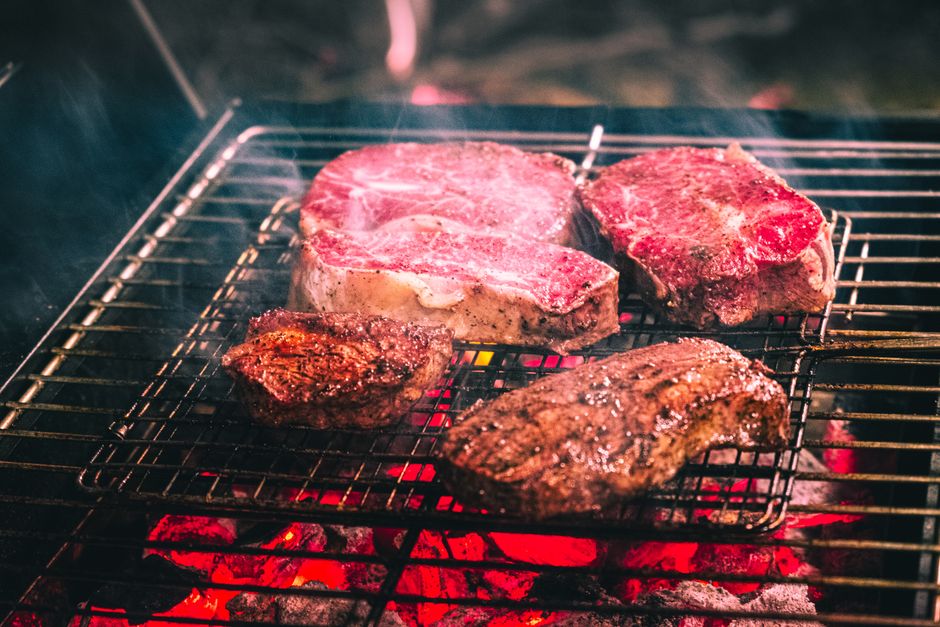
Meat is not inherently harder to digest than other foods, but it does digest differently. Meat spends more time in your stomach than many plant foods because its protein and fat require more work to break down. This slower process is normal and can actually help you feel full longer, but certain factors like cooking method, fat content, and how much you chew can make digestion noticeably harder.
How Does the Body Digest Meat?
Digestion starts in your mouth. Chewing breaks meat into smaller pieces and mixes it with saliva, which begins breaking down some starches but not protein. The real work happens in your stomach.
Your stomach produces hydrochloric acid and an enzyme called pepsin. Together they break the long protein chains in meat into smaller pieces called peptides. This is why meat sits in the stomach longer than carbohydrates — the stomach needs time to do this chemical work.
From the stomach, the partially digested meat moves to the small intestine. Here, the pancreas releases more enzymes that finish breaking proteins into amino acids. Your body absorbs these amino acids through the intestinal wall and uses them to build and repair tissue.
Fat digestion runs on a separate track. The liver produces bile, which is stored in the gallbladder and released into the small intestine to break down fat. If a cut of meat is high in fat, this process takes longer and can cause a feeling of heaviness.
What Makes Meat Harder to Digest?
Several factors determine how difficult a specific piece of meat is to digest. Not all meat behaves the same way in your digestive system.
Fat content. Fatty cuts of meat slow stomach emptying. The stomach releases fat into the small intestine gradually because the body can only process so much fat at once. A fatty steak or pork belly will sit in your stomach longer than a lean chicken breast.
Connective tissue. Muscles that do a lot of work, like the shoulder or leg, contain more connective tissue called collagen. Collagen is tough and requires long, slow cooking to break down. Undercooked or quickly cooked cuts with lots of collagen are genuinely harder to chew and digest.
Cooking method. How you cook meat changes its digestibility. Slow, moist cooking methods like braising or stewing break down collagen into gelatin, which is easier to digest. Dry, high-heat methods like grilling or frying can create tough proteins that resist breakdown.
Overcooking. Cooking meat too long at high heat causes proteins to tighten and squeeze out moisture. This makes the meat dry and tough. The proteins become more cross-linked, which means digestive enzymes have a harder time reaching them.
How well you chew. This matters more than most people realize. Large chunks of meat present less surface area to digestive enzymes. Thorough chewing dramatically reduces the work your stomach has to do.
Is Meat Harder to Digest Than Plants?
Comparing meat and plants is not straightforward because they contain different things that affect digestion.
Meat protein is actually easier for your body to digest than many plant proteins. Animal proteins have a complete amino acid profile, and your digestive enzymes break them down efficiently. Plant proteins often come wrapped in fiber and other compounds that can reduce how much protein your body absorbs.
But meat lacks fiber entirely. Fiber is the indigestible part of plants that adds bulk to stool and helps move waste through your intestines. A diet with no fiber at all can lead to constipation. This is why meat-heavy diets can cause digestive sluggishness even though the meat itself is not difficult to process.
Some research suggests that red meat, particularly processed red meat, takes longer to pass through the digestive tract than white meat or plant proteins. The exact reasons are not fully understood. It may relate to the higher fat content, the presence of certain compounds formed during cooking, or the specific structure of the proteins.





Does Red Meat Digest Differently Than White Meat?
Red meat generally takes longer to digest than white meat. This is not a myth — it reflects real differences in the meat itself.
Red meat from beef, lamb, and pork contains more fat and more connective tissue than chicken or turkey breast. The myoglobin protein that gives red meat its color also forms a denser protein structure. Digestive enzymes must work harder to break this structure down.
White meat like chicken breast is lean and has less connective tissue. It moves through the stomach faster and is generally easier to digest. This is why doctors often recommend chicken or fish to people recovering from illness or dealing with digestive upset.
Fish is the easiest meat to digest. Fish muscle has very little connective tissue and the proteins are shorter and more delicate. Even raw fish, as in sushi, is broken down efficiently by the digestive system.
What Are the Signs That Meat Is Not Digesting Well?
Most people digest meat without any problems. But some experience symptoms that suggest digestion is slower or more difficult than it should be.
Common signs include feeling overly full or bloated for hours after eating meat, stomach pain or cramping, excessive gas, heartburn, and nausea. Constipation after a high-meat meal can also occur, especially if your overall diet is low in fiber.
These symptoms do not automatically mean something is wrong. They can simply mean the meal was large, fatty, or eaten too quickly. But persistent symptoms after eating meat deserve attention.
If you regularly feel sick after eating meat, see a doctor. Persistent difficulty digesting meat can sometimes point to underlying conditions like low stomach acid, gallbladder issues, or a food intolerance. These need proper evaluation, not guesswork.
How Can You Make Meat Easier to Digest?
You can take practical steps to reduce digestive discomfort without giving up meat.
- Choose lean cuts. Leaner meat has less fat, which means less work for your gallbladder and a faster exit from the stomach.
- Cook with moist heat. Braising, stewing, or slow-cooking breaks down connective tissue into gelatin. This makes the meat tender and easier to process.
- Chew thoroughly. Chewing is the only part of digestion you control directly. Aim to chew meat until it is nearly liquid before swallowing.
- Eat smaller portions. A large portion of meat overwhelms your digestive capacity. Smaller portions move through more smoothly.
- Pair with vegetables. Fiber from vegetables helps move everything through your intestines and prevents the constipation that can come from a meat-heavy meal.
- Marinate before cooking. Acidic marinades with lemon, vinegar, or yogurt can begin breaking down proteins before the meat ever reaches your mouth.
None of these steps are medically necessary for healthy people. They are practical adjustments that can make meals more comfortable if you notice digestive sluggishness after eating meat.
Are There People Who Should Avoid Meat?
Certain medical conditions genuinely make meat digestion difficult, and some people need to limit or avoid meat entirely.
People with gastroparesis, a condition where the stomach empties slowly, often struggle with meat because it stays in the stomach for a long time. Fatty meats are especially problematic for people with gallbladder disease or after gallbladder removal, because bile flow is reduced.
Some digestive conditions like Crohn’s disease or ulcerative colitis can make meat harder to tolerate during flare-ups. However, this varies from person to person. Some people with these conditions tolerate meat well.
There is no clinical guideline that says healthy people should avoid meat for digestive reasons. Meat is a complete protein source and provides important nutrients like iron, zinc, and vitamin B12. For most people, the issue is not whether to eat meat but how it is prepared and portioned.
If you have a diagnosed digestive condition, talk to your doctor or a registered dietitian about how meat fits into your specific situation. Their guidance will be more useful than any general advice.
Frequently Asked Questions
How long does meat take to digest?
Meat typically spends 2 to 4 hours in the stomach before moving to the small intestine. Fatty cuts of meat can take longer than lean cuts.
Is meat harder to digest than vegetables?
Meat protein is efficiently digested, but meat lacks fiber and can sit in the stomach longer than most vegetables. Vegetables move through faster but their fiber is not digested at all.
Does eating meat cause bloating?
Some people feel bloated after eating meat, especially fatty or heavily processed meat. This is not universal and often relates to portion size, fat content, or how quickly you eat.
What is the easiest meat to digest?
Fish and skinless chicken breast are generally the easiest meats to digest. They are lean and contain less connective tissue than red meat.
