
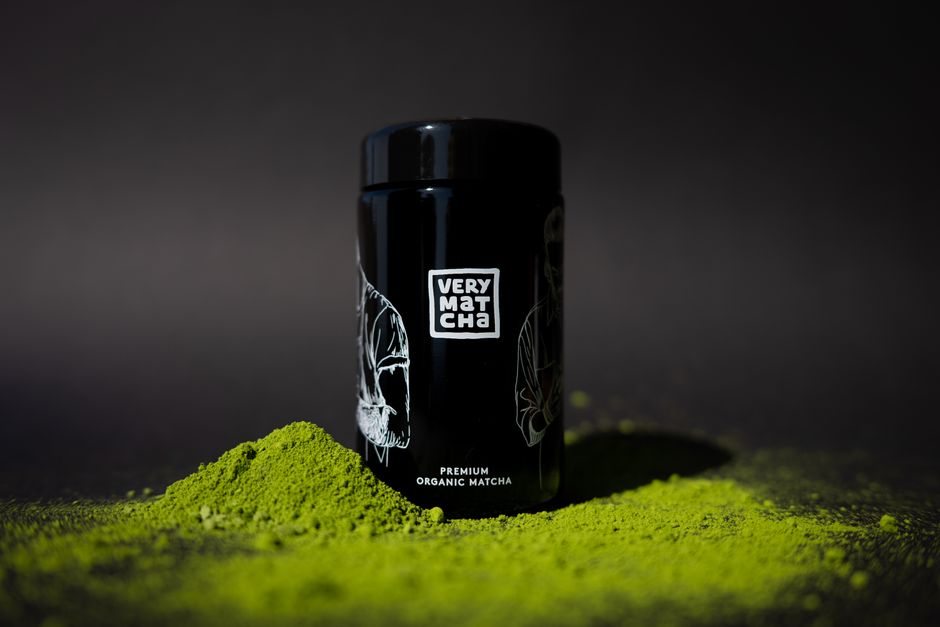
Matcha is not a treatment for high cholesterol. No clinical trial has shown that drinking matcha lowers LDL cholesterol, raises HDL cholesterol, or reduces cardiovascular risk in humans. The evidence for cholesterol benefits comes mostly from studies of green tea extracts and isolated catechins, not matcha itself, and those results are mixed. Matcha is a concentrated form of green tea with real antioxidant content, but “concentrated” does not mean “clinically effective for cholesterol.”
What Is Matcha and How Is It Different From Regular Green Tea?
Matcha is made from the same plant as green tea, Camellia sinensis. The difference is how it is grown and consumed.
Matcha leaves are shaded for a period before harvest. This boosts chlorophyll and some amino acid content. The leaves are then ground into a fine powder. When you drink matcha, you consume the entire leaf, not just the water it steeped in.
That means a cup of matcha delivers more catechins and caffeine than a cup of steeped green tea, gram for gram. Catechins are a class of plant compounds with antioxidant properties. EGCG (epigallocatechin gallate) is the most studied one.
More catechins sounds promising. But dose matters. A typical serving of matcha contains roughly 1-2 grams of powder. The catechin dose in a cup of matcha is far below what was used in most clinical studies of green tea extracts.
Is Matcha Good For High Cholesterol, LDL, HDL, and More?
The short answer is that matcha has not been shown to improve cholesterol numbers in humans. The evidence base is thin and indirect.
Most research on green tea and cholesterol uses extracts or isolated EGCG, often in capsule form at doses much higher than you would get from drinking matcha. Even those studies show inconsistent results.
Some meta-analyses of green tea or green tea extract have reported small reductions in total cholesterol and LDL cholesterol. Others found no meaningful effect. The results vary by population, dose, and study design. When effects are found, they tend to be modest and not consistently reproduced.
Here is what the evidence does and does not support:
- LDL cholesterol: Some studies of green tea extracts suggest small reductions. No study has confirmed matcha does this.
- HDL cholesterol: Green tea and matcha have not been shown to raise HDL in any reliable way.
- Triglycerides: Evidence is mixed and weak.
- Cardiovascular events: No trial has shown that matcha prevents heart attacks or strokes.
Observational studies from Japan and China have linked regular green tea consumption with lower rates of heart disease. But observational data cannot prove cause and effect. People who drink green tea regularly may differ in many other ways that affect heart health.
How Does Matcha Affect Cholesterol, If At All?
The proposed mechanism involves catechins, particularly EGCG. In laboratory and animal studies, catechins have been shown to reduce cholesterol absorption in the gut and affect how the liver handles cholesterol.
These mechanisms are plausible. But biological plausibility is not the same as demonstrated clinical benefit. A compound can affect a pathway in a lab dish or a mouse and still fail to produce meaningful changes in humans at real-world doses.
There is also a question of bioavailability. Catechins from green tea are poorly absorbed. The body clears them quickly. How much EGCG from a cup of matcha actually reaches the liver in a form that could affect cholesterol production is not well established.
One non-obvious point: matcha contains caffeine. Caffeine does not lower cholesterol. It can raise blood pressure slightly in some people and cause jitteriness or sleep problems at higher intakes. If you are managing heart health, that is worth knowing.


What Does the Research Actually Show About Green Tea and Cholesterol?
Research on green tea and cholesterol is more extensive than research on matcha specifically. It is also more mixed than headlines suggest.
Some randomized controlled trials of green tea extract have found reductions in total and LDL cholesterol. Others found no significant change. A number of meta-analyses have attempted to pool these results. Their conclusions vary, and many note high heterogeneity between studies — meaning the studies disagreed with each other enough that pooling them is questionable.
Doses in these trials were often in the range of several hundred milligrams of EGCG per day, taken as a supplement. That is not the same as drinking a cup or two of matcha.
There is also a safety signal worth mentioning. High-dose green tea extract supplements have been linked to liver injury in some people. This is rare but documented. The risk appears associated with concentrated supplement doses, not with drinking green tea or matcha as a beverage. Still, it is a reason to be cautious about taking concentrated green tea extracts for cholesterol without medical supervision.
Can Matcha Replace Cholesterol Medication?
No. This is not a close call.
Statin medications and other cholesterol-lowering drugs have been shown in large randomized trials to reduce LDL cholesterol and reduce the risk of heart attack, stroke, and death in people who need them. Matcha has not been shown to do any of this.
If you have high cholesterol, the evidence-based approaches are well established:
- Reduce saturated fat and trans fat intake
- Increase soluble fiber from oats, beans, and certain fruits
- Get regular physical activity
- Maintain a healthy weight
- Take prescribed medication as directed if your clinician recommends it
Matcha can be part of a generally healthy diet. It is low in calories and contains antioxidants. But it is not a substitute for any of the above, and no evidence supports using it in place of medication.
Are There Other Health Benefits of Matcha?
Matcha contains antioxidants, including catechins, and provides a moderate amount of caffeine. Some research suggests green tea consumption is associated with various health outcomes, but the evidence for most claimed benefits is limited.
Claims about matcha boosting metabolism, promoting weight loss, or preventing cancer are not supported by strong clinical evidence. Some small studies have suggested minor effects on metabolic rate, but results are inconsistent and the clinical relevance is unclear. Cancer prevention claims are based largely on observational data and laboratory research, not on trials showing matcha prevents cancer in humans.
The most honest summary is that matcha is a reasonable beverage choice within a healthy diet, but it has not been proven to treat or prevent any specific disease.
Is Drinking Matcha Safe?
For most healthy adults, drinking matcha in normal amounts is considered safe. It has been consumed for centuries.
Considerations worth knowing:
- Caffeine: Matcha contains caffeine. A typical serving may have roughly 30-70 mg, depending on how much powder is used. People who are sensitive to caffeine or who have certain heart conditions may want to limit intake.
- Iron absorption: Compounds in tea can reduce iron absorption from plant foods. If you have iron deficiency, drinking matcha with meals may not be ideal.
- Liver concerns: These are associated with high-dose green tea extract supplements, not with drinking matcha. The distinction matters.
- Pregnancy and breastfeeding: Caffeine intake should be limited during pregnancy. No clinical guidelines exist for matcha consumption specifically during pregnancy or breastfeeding. Talk to your clinician.
If you take medications, including cholesterol-lowering drugs, ask your pharmacist or doctor about potential interactions before making matcha a daily habit. Green tea compounds can affect how some drugs are metabolized, though the clinical significance at beverage doses is not well established.
The Bottom Line
Matcha is not a cholesterol treatment. The evidence for cholesterol benefits comes from studies of green tea extracts, not matcha, and even those results are inconsistent. No clinical trial has shown that matcha lowers LDL, raises HDL, or reduces heart disease risk in humans.
Drinking matcha is fine for most people as part of a healthy diet. It is not harmful in normal amounts and may provide antioxidants. But if you have high cholesterol, do not rely on matcha to manage it. The proven approaches — diet, exercise, weight management, and medication when prescribed — remain the foundation.
Frequently Asked Questions
Does matcha lower LDL cholesterol?
No clinical trial has shown that matcha lowers LDL cholesterol in humans. Some studies of green tea extracts suggest small reductions, but those results are inconsistent and use much higher doses than you would get from drinking matcha.
Can matcha raise HDL cholesterol?
There is no reliable evidence that matcha raises HDL cholesterol. Green tea and matcha have not been shown to improve HDL levels in clinical studies.
How much matcha would I need to drink to affect cholesterol?
No established dose of matcha has been shown to affect cholesterol. Clinical studies of green tea used concentrated extracts at doses far higher than what a cup of matcha provides.
Is it safe to drink matcha if I take statins?
Drinking matcha in normal amounts is generally considered safe for most people, but green tea compounds can affect how some drugs are metabolized. Ask your doctor or pharmacist about your specific medications before making it a daily habit.
