
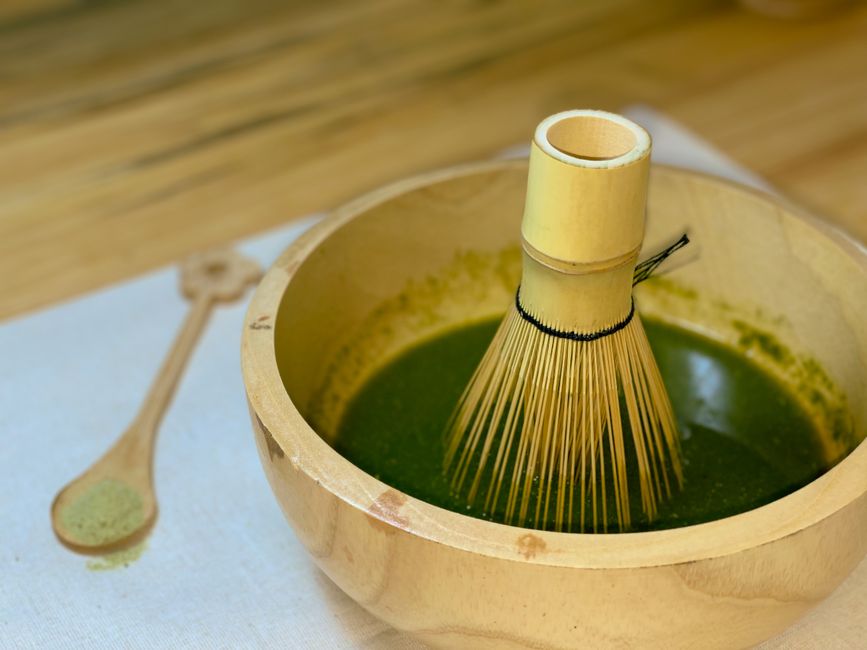
Yes, matcha is a tea. Specifically, it is a powdered green tea made from the Camellia sinensis plant — the same plant that produces black tea, oolong, and other green teas. The difference is in how it is grown, processed, and consumed.
Matcha is not a separate botanical product or an herbal infusion. It comes from the same leaves as other true teas. What sets it apart is that the leaves are shade-grown, de-veined, and ground into a fine powder that you whisk directly into water. You consume the entire leaf, not just the water it steeped in.
What Makes Matcha Different From Other Green Tea?
All true tea comes from Camellia sinensis. The processing method determines whether that tea becomes green, black, oolong, or white. Matcha takes the green tea pathway but adds two distinctive steps.
First, the tea plants are shaded for roughly three to four weeks before harvest. This reduces photosynthesis and shifts the plant’s chemistry. Chlorophyll levels rise, giving matcha its vivid green color. Amino acids, particularly L-theanine, accumulate in higher concentrations. Caffeine levels remain present but the ratio of L-theanine to caffeine shifts.
Second, after harvesting, the leaves are steamed, dried, and stripped of stems and veins. The remaining leaf material — called tencha — is stone-ground into an extremely fine powder. Traditional stone grinding is slow, producing only a small amount per hour, which is one reason high-quality matcha costs more than loose-leaf green tea.
When you drink matcha, you are drinking the whole leaf suspended in water. With regular steeped green tea, you discard the leaves after steeping. This means matcha delivers a higher concentration of certain compounds per cup, including caffeine and antioxidants. The exact amounts vary by brand, harvest, and preparation method, so no single figure applies universally.
How Much Caffeine Is in Matcha?
Matcha contains caffeine, typically in amounts comparable to or somewhat higher than steeped green tea. The range depends on how much powder is used and the quality of the leaf.
A standard serving of matcha — roughly one-half to one teaspoon of powder — generally contains somewhere in the range of 30 to 70 milligrams of caffeine. For comparison, an 8-ounce cup of brewed coffee typically contains around 95 milligrams. Green tea brewed from bags or loose leaves usually falls in the 20 to 50 milligram range per cup.
These are general ranges. The actual caffeine content in your cup depends on the specific product, the amount you scoop, and how you prepare it. If you are sensitive to caffeine or limiting your intake for medical reasons, treat matcha as you would any caffeinated beverage.
One point that is often misunderstood: matcha does not contain less caffeine than coffee because it is green. It is still a caffeine-containing tea. The difference in how it feels may relate to L-theanine, an amino acid that is present in higher concentrations in shade-grown matcha. Some research suggests L-theanine may influence how caffeine is experienced, but the evidence is not strong enough to claim it eliminates jitters or provides a smoother energy curve. That is a popular claim, not a confirmed clinical effect.
Is Matcha a True Tea or an Herbal Tea?
Matcha is a true tea. The distinction matters because “tea” in the strict sense refers only to beverages made from Camellia sinensis. Herbal teas — chamomile, peppermint, rooibos, hibiscus — are not teas at all. They are infusions made from other plants.
This is not just a technicality. True teas share a basic chemical profile: caffeine, polyphenols (including catechins), and amino acids like L-theanine. Herbal infusions have entirely different compounds. When someone says “matcha tea,” they are being accurate. When someone says “chamomile tea,” they are using the word tea loosely.
Matcha falls firmly in the true tea category, alongside:
- Green tea (matcha is a type of green tea)
- Black tea
- Oolong tea
- White tea
- Pu-erh tea
All of these come from the same plant species. The differences come from cultivation, processing, and preparation.
What About Matcha’s Health Claims?
Matcha contains polyphenols, particularly a group of catechins called EGCG (epigallocatechin gallate). Green tea in general has been studied for potential effects on cardiovascular health, metabolism, and other outcomes. Some research suggests associations between green tea consumption and certain health markers.
However, the evidence for matcha specifically is much thinner than the evidence for green tea broadly. Most studies use green tea extract, brewed green tea, or isolated compounds — not matcha powder. Matcha is often assumed to deliver more benefits because you consume the whole leaf, but this assumption has not been confirmed in large human trials.
Claims that matcha boosts metabolism, burns fat, prevents cancer, or detoxifies the body are not supported by strong clinical evidence. Some small studies show modest effects on metabolic markers. Others show none. The evidence is mixed at best.
What can be said accurately: matcha is a source of caffeine and polyphenols, and it is a low-calorie beverage when prepared without added sugar or milk. Beyond that, the specific health benefits are not established.
How Do You Prepare Matcha?
Traditional matcha preparation involves sifting the powder to remove clumps, adding hot water (not boiling), and whisking with a bamboo whisk called a chasen until a froth forms. The water temperature matters — boiling water can make matcha taste bitter.
Common preparations include:
- Usucha (thin matcha): About one-half teaspoon of powder to 2-3 ounces of hot water, whisked until frothy
- Koicha (thick matcha): A higher ratio of powder to water, resulting in a thicker, more intense drink
- Matcha latte: Matcha whisked with milk or a milk alternative, sometimes sweetened
Matcha is also used as an ingredient in foods — ice cream, baked goods, smoothies. In these forms, the amount of actual matcha is often small, and added sugar or fat may offset any potential benefit.
Culinary-grade matcha exists and is cheaper than ceremonial-grade, but the terms are not regulated. They generally refer to quality and intended use, not to any standardized chemical difference.
Does Matcha Have Any Risks?
For most healthy adults, drinking matcha in normal amounts is considered safe. The main consideration is caffeine. People who are pregnant, breastfeeding, or sensitive to caffeine may need to limit intake. Certain medications can interact with caffeine or with green tea compounds.
Green tea extracts sold as supplements have been linked to liver damage in rare cases, particularly when taken in high doses on an empty stomach. This is a concern with concentrated extracts, not with brewed matcha. Drinking matcha as a beverage is a different situation from taking high-dose green tea capsules.
Matcha can also reduce iron absorption from plant sources when consumed with meals. This is relevant mainly for people with iron deficiency or those at risk. Separating matcha consumption from iron-rich meals by a couple of hours can reduce this effect.
If you take prescription medications or have a liver condition, talking to a healthcare provider before adding matcha supplements — not the drink, but concentrated products — is reasonable. For the beverage itself, the risk profile is similar to other caffeinated teas.
Is Matcha Worth Drinking?
That depends on what you want from it. If you enjoy the taste and want a caffeinated beverage that is lower in calories than a latte, matcha fits. If you are looking for a proven health intervention, the evidence does not support that expectation.
Matcha is a tea. It is a specific type of green tea with a distinctive growing and processing method. It contains caffeine and polyphenols. It is not a miracle beverage, and it is not a separate category of drink from other teas.
If you like it, drink it. If you are choosing it over coffee because you believe it will transform your health, the research does not back that up. It is simply one option among many in the tea family.
Frequently Asked Questions
Is matcha a tea or a powder?
Matcha is both. It is a tea made from powdered green tea leaves that are whisked into water rather than steeped and removed.
Is matcha the same as green tea?
Matcha is a type of green tea, but not all green tea is matcha. Matcha comes from shade-grown leaves that are ground into powder, while other green teas are steeped from whole or cut leaves.
Does matcha have more caffeine than coffee?
No, matcha generally contains less caffeine than coffee. A typical serving of matcha has roughly 30 to 70 milligrams of caffeine, while an 8-ounce cup of coffee has about 95 milligrams.
Can you drink matcha every day?
For most healthy adults, daily matcha consumption is considered safe within normal caffeine limits. People who are pregnant, sensitive to caffeine, or taking certain medications should check with a healthcare provider.
