
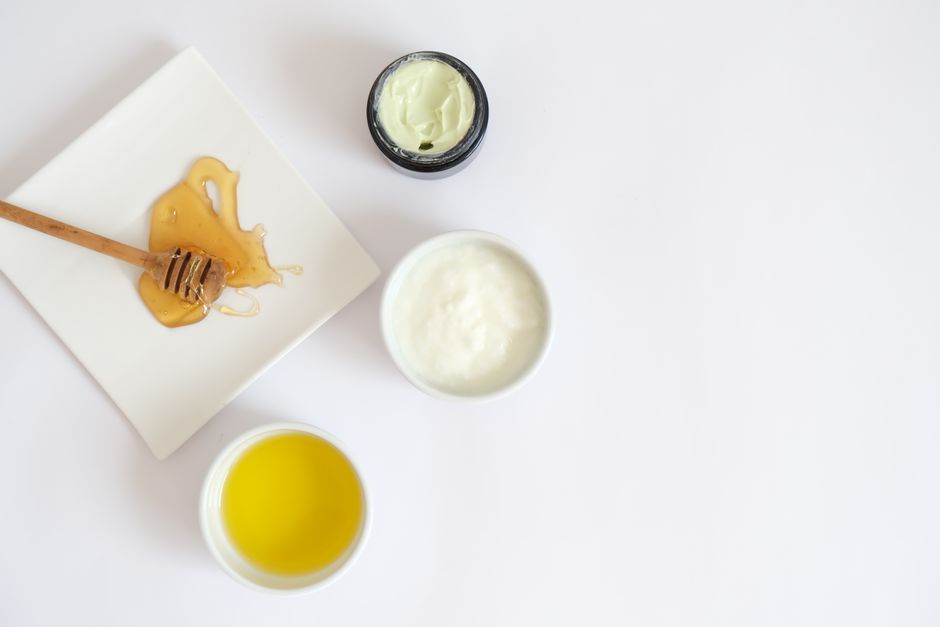
Manuka honey is good for your skin in specific, evidence-backed ways, but it is not a cure-all. Its proven benefits come from its unique antibacterial and anti-inflammatory properties, which are stronger than those of regular honey. However, it is a treatment for certain skin conditions, not a universal skincare miracle, and it carries real risks for people with allergies.
What Makes Manuka Honey Different From Regular Honey?
All honey has some antibacterial activity. It is thick, low in water, and slightly acidic, which makes it hard for bacteria to survive. Manuka honey goes further. It comes from the nectar of the manuka tree, which grows mainly in New Zealand and parts of Australia.
The difference is a compound called methylglyoxal, or MGO. Regular honey contains tiny amounts of this compound. Manuka honey contains much higher levels. This compound is what gives manuka honey its distinctive antibacterial punch that standard honey lacks.
You will see two ratings on manuka honey jars: UMF and MGO. They measure the same thing in different ways. MGO measures the actual methylglyoxal content. UMF is a broader rating that includes other marker compounds. A higher number means stronger antibacterial activity. For skincare purposes, most research uses honey with significant MGO levels, though the exact minimum effective level is not firmly established.
How Manuka Honey Works On The Skin
Manuka honey works on skin through several mechanisms at once. The first is direct antibacterial action. The methylglyoxal damages bacterial cell walls and interferes with their ability to grow. This is why it has been studied as a topical treatment for infected wounds.
The second mechanism is osmotic action. Honey is highly concentrated sugar. When applied to a wound or inflamed area, it draws fluid out of the tissue through osmosis. This helps clean the wound surface and creates an environment where bacteria struggle to survive.
The third mechanism is anti-inflammatory activity. Research has found that manuka honey can reduce inflammation in skin tissue. This is separate from its antibacterial effect. Even on skin with no bacterial infection, manuka honey appears to calm inflammatory responses. This makes it potentially useful for inflammatory skin conditions, though clinical evidence is still developing.
What The Research Actually Shows
Clinical evidence for manuka honey is strongest in one area: wound healing. Medical-grade manuka honey dressings are used in hospitals. Studies have found they can help heal burns, surgical wounds, and chronic ulcers that do not respond to standard treatment. The evidence here is solid enough that medical honey is a recognized treatment, not an alternative remedy.
Evidence for cosmetic use is much weaker. Some small studies suggest manuka honey may help with acne. The theory is straightforward: acne involves bacterial overgrowth and inflammation, and manuka honey targets both. Some research has found it can reduce acne lesions when used as a mask. But these studies are small, and no large clinical trials have confirmed manuka honey as a reliable acne treatment.
For eczema, the evidence is mixed. Some studies show improvement in symptoms like redness and itching. Others show no significant benefit over standard moisturizers. One challenge in this research is that eczema is highly variable, and what works for one person may not work for another.
For anti-aging, there is essentially no clinical evidence. Manuka honey does contain antioxidants, and some laboratory studies suggest it may protect skin cells from oxidative damage. But no human trials have demonstrated that manuka honey reduces wrinkles or slows visible aging. Claims that it does are marketing, not medicine.



How To Use Manuka Honey On Your Skin Safely
If you want to try manuka honey on your skin, start with a patch test. Apply a small amount to your inner forearm and wait 24 hours. If you develop redness, itching, or swelling, do not use it on your face or larger body areas.
For acne, some dermatologists suggest applying a thin layer of manuka honey to clean skin and leaving it on for 15 to 20 minutes before rinsing. This is not a substitute for proven acne treatments like benzoyl peroxide or salicylic acid. It is an adjunct at best.
For wounds, do not use grocery-store manuka honey. Medical-grade honey is sterilized and tested for consistency. Food-grade honey can contain spores and bacteria that are harmless when eaten but problematic in an open wound. If you have a wound that is not healing, see a healthcare provider rather than self-treating with honey.
Raw honey can also contain pollen, which means people with pollen allergies may have allergic reactions to it. This is rare but possible. If you have a known bee or pollen allergy, avoid applying manuka honey to your skin without discussing it with your doctor first.
Manuka Honey vs. Regular Honey For Skin
Regular honey has some of the same properties as manuka honey. It is antibacterial, anti-inflammatory, and osmotically active. The difference is degree. Regular honey’s antibacterial activity is weaker and less consistent because it depends on the floral source and processing.
For minor skin irritation or as a moisturizing mask, regular honey may work well enough. For infected wounds or significant bacterial concerns, manuka honey’s higher methylglyoxal content gives it a real advantage. The question is whether that advantage justifies the price, which can be several times higher than regular honey.
For everyday skincare, the evidence does not strongly favor manuka honey over regular honey. Both are humectants, meaning they draw moisture into the skin. Both have some antibacterial activity. If you are using honey as a simple face mask, regular honey is a reasonable and much cheaper option.
Manuka Honey Ratings: What You Need To Know
Manuka honey is rated on scales that measure its bioactive compounds. The two most common are UMF and MGO. A UMF rating of 10 or higher is generally considered therapeutic grade. MGO ratings of 100 or higher indicate meaningful antibacterial activity.
These ratings matter because not all manuka honey is created equal. Some products labeled as manuka honey contain very low levels of active compounds. The rating system exists to help consumers identify products with genuine activity.
For skincare use, there is no established minimum rating. Some research uses honey with very high ratings, but whether lower-rated honey works similarly on skin is not well studied. If you are buying manuka honey specifically for its antibacterial properties, choose a product with a verified UMF or MGO rating rather than relying on the label alone.
Risks And Side Effects Of Manuka Honey On Skin
Manuka honey is generally safe for topical use on intact skin. The most common side effect is mild irritation or a stinging sensation. This is usually temporary and not a sign of harm.
Do not use manuka honey on open wounds unless it is medical-grade. Food-grade honey is not sterile. It can introduce bacteria into a wound and cause infection. Medical-grade manuka honey is irradiated to kill spores and is specifically designed for wound use.
People with diabetes should be cautious about using honey on large skin areas. Honey contains sugars that can be absorbed through broken skin, potentially affecting blood glucose levels. This is a theoretical concern but one worth noting for anyone with poorly controlled diabetes.
If you have a skin condition that is not improving, or if you develop signs of infection like increasing redness, warmth, or pus, see a healthcare provider. Manuka honey is not a replacement for medical care.
Frequently Asked Questions
Can manuka honey help acne?
Some small studies suggest manuka honey can reduce acne lesions due to its antibacterial and anti-inflammatory properties. However, no large clinical trials have confirmed it as a reliable standalone acne treatment.
Is manuka honey safe to put on my face?
Manuka honey is generally safe on intact facial skin for most people. Do a patch test first, and avoid it entirely if you have a known bee or pollen allergy.
How long should I leave manuka honey on my skin?
For a face mask, 15 to 20 minutes is a common recommendation from dermatologists. Leaving it on longer does not increase benefits and may increase the risk of irritation.
Can I use regular honey instead of manuka honey?
Regular honey has similar but weaker properties and may work fine for minor skin irritation or moisturizing masks. For antibacterial wound care, manuka honey’s higher methylglyoxal content makes it more effective.
