
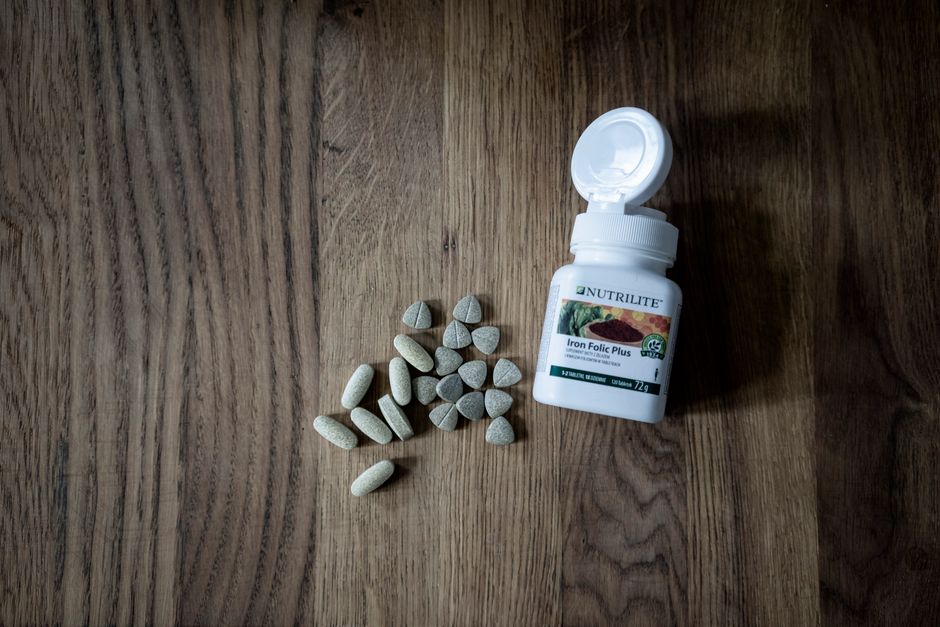
Feeling tired all the time is one of the most common complaints doctors hear. Sometimes the answer is simple: the body does not have enough iron to build healthy red blood cells. Low iron anemia is a specific medical condition, not a general feeling of being run down. It happens when iron stores drop low enough that the body cannot make enough hemoglobin, the protein in red blood cells that carries oxygen. That shortage shows up in blood tests and causes real, measurable changes in how the body works.
Is Low Iron Anemia the Same as Iron Deficiency?
No. Iron deficiency and iron deficiency anemia are two stages of the same problem, and the difference matters.
Iron deficiency means the body’s iron stores are running low. You can have low iron and still have normal red blood cells and normal hemoglobin. At this stage, many people feel fine or only mildly tired. Iron deficiency anemia is the later stage, when iron has dropped so far that hemoglobin falls below the normal range and red blood cells become small and pale.
This distinction is not just academic. A doctor can detect iron deficiency before anemia develops, which is why blood tests look at more than just hemoglobin. Ferritin, a protein that stores iron, gives a picture of your iron reserves. When ferritin is low, iron stores are low, even if hemoglobin still looks normal.
Doctors sometimes describe iron deficiency as a spectrum. You start with depleted stores, move into iron-deficient red blood cell production, and finally reach anemia. Catching it earlier gives more room to correct it before symptoms become significant.
What Causes Low Iron Anemia?
Blood loss is the most common cause in adults, and it is often hidden. Every drop of blood contains iron, so losing blood over time depletes iron stores faster than diet can replace them.
In menstruating women, heavy periods are a leading cause. In men and in women past menopause, the most common cause is slow blood loss from the digestive tract. That bleeding can come from ulcers, polyps, or other sources and may not be visible in stool. This is why doctors often investigate the digestive tract when a man or a postmenopausal woman is found to have iron deficiency anemia.
Other causes include:
- Diets low in iron, especially diets without meat or with limited iron-rich foods
- Poor absorption of iron, which can happen with celiac disease, stomach surgery, or certain medications that reduce stomach acid
- Pregnancy, because the body needs extra iron to support the growing baby and increased blood volume
- Frequent use of aspirin or other medications that can irritate the stomach lining and cause slow bleeding
- Donating blood very often without enough time between donations
In some people, more than one cause is at work. A person with heavy periods who also eats little iron-rich food may develop anemia faster than someone with only one risk factor.
What Are the Symptoms of Low Iron Anemia?
Fatigue is the most common symptom, but it is far from the only one. Because iron helps carry oxygen to every cell, a shortage can affect the whole body.
People with iron deficiency anemia often report:
- Unusual tiredness or weakness that does not improve with rest
- Shortness of breath with mild activity, like climbing stairs
- Pale skin, especially in the face, palms, and inside the lower eyelids
- Cold hands and feet
- Dizziness or lightheadedness
- Headaches
- Fast heartbeat or palpitations
- Brittle nails or hair loss
- Unusual cravings for non-food items like ice or dirt, a condition called pica
- Restless legs, especially at night
Some of these symptoms are easy to dismiss. Fatigue gets blamed on stress. Shortness of breath gets blamed on being out of shape. That is part of why iron deficiency anemia is often missed. Symptoms also tend to develop slowly, so people adapt without realizing how much worse they feel.
One non-obvious point: pale skin is often described as a classic sign, but it is not reliable on its own. Skin color varies widely, and mild anemia may not visibly change it. A blood test is the only way to confirm the diagnosis.
How Is Low Iron Anemia Diagnosed?
Diagnosis starts with a blood test called a complete blood count, which measures hemoglobin and the size of red blood cells. In iron deficiency anemia, hemoglobin is low and red blood cells tend to be smaller and paler than normal.
Doctors usually confirm the cause with additional tests. Ferritin is the most useful single test for iron stores. A low ferritin strongly suggests iron deficiency. Ferritin can be tricky, though, because it rises with inflammation, so a normal result does not always rule out deficiency.
Other tests may include:
- Serum iron and total iron-binding capacity, which show how much iron is circulating and how well it is being transported
- Transferrin saturation, a calculated measure of iron availability
- Reticulocyte count, which shows whether the bone marrow is responding
Once anemia is confirmed, the doctor looks for the cause. That may mean asking about menstrual patterns, reviewing medications, or ordering tests to check for hidden bleeding in the digestive tract.
How Is Low Iron Anemia Treated?
Treatment has two goals: replace the missing iron and fix the underlying cause. Both matter, because replacing iron without addressing the cause often leads to the problem coming back.
Oral iron supplements are the most common treatment. They are effective for many people, but they can cause stomach upset, constipation, or nausea. Taking them with food can reduce side effects but also reduces absorption. Some clinicians suggest taking iron on an empty stomach when tolerated, or every other day, based on evidence that less frequent dosing may improve absorption. This is an area where practice varies, and your doctor’s guidance should take priority.
Vitamin C can help the body absorb iron from supplements and food. Coffee, tea, calcium, and some medications can reduce absorption, so timing matters. These are general principles, not a dosing plan. Anyone considering iron supplements should talk to a doctor first, because taking too much iron can be harmful.
When oral iron does not work or is not tolerated, doctors sometimes use intravenous iron. This is given in a clinical setting and can raise iron levels faster. Blood transfusions are reserved for severe cases or when symptoms are significant.
Diet also plays a role. Heme iron, found in meat, poultry, and fish, is absorbed more easily than non-heme iron from plant foods like beans, lentils, and spinach. Eating iron-rich foods alongside vitamin C-rich foods can improve absorption.
Can Low Iron Anemia Be Prevented?
Some cases can be prevented, and some cannot. Prevention depends on why the iron is low in the first place.
For people with heavy periods, treating the underlying cause can reduce iron loss. For people with low dietary iron, eating more iron-rich foods and pairing them with vitamin C can help. For people who donate blood frequently, spacing donations further apart gives the body time to rebuild stores.
Routine iron supplementation is not recommended for everyone. It is sometimes recommended during pregnancy, but the specifics depend on individual risk and should come from a doctor. No clinical guidelines support taking iron supplements routinely without a known deficiency, and unnecessary iron can cause side effects.
For people with a known risk, like a history of anemia or a condition that affects iron absorption, regular blood tests can catch a drop before it becomes anemia.
What Happens If Low Iron Anemia Is Left Untreated?
Untreated iron deficiency anemia tends to get worse over time. As iron stores fall further, symptoms become more pronounced. Fatigue deepens, concentration suffers, and physical activity becomes harder.
Long-term anemia can affect the heart, because the heart has to work harder to move oxygen-poor blood around the body. In some people, this can lead to an enlarged heart or heart rhythm problems. It can also affect pregnancy outcomes and childhood development when it occurs in those groups.
The bigger concern is the underlying cause. If slow bleeding from the digestive tract is the reason for the anemia, leaving it unaddressed means the source of bleeding continues. That is why doctors do not simply treat the anemia and stop there. Finding the cause is part of the treatment.
Most people who are diagnosed and treated recover well. Hemoglobin typically starts to rise within a few weeks of starting iron, though it can take longer to fully rebuild stores. How long depends on the cause, the treatment, and how low the levels were to begin with.
Frequently Asked Questions
Is low iron anemia serious?
It can be, especially if left untreated or if it is caused by hidden bleeding. Most cases are manageable with treatment, but the underlying cause needs to be found.
What foods are highest in iron?
Meat, poultry, and fish contain heme iron, which the body absorbs easily. Beans, lentils, spinach, and fortified cereals contain non-heme iron, which is absorbed less efficiently but still contributes to daily intake.
Can low iron anemia go away on its own?
Mild iron deficiency may improve with dietary changes, but anemia usually needs treatment to correct. It rarely resolves without addressing the cause.
How long does it take to fix low iron anemia?
Hemoglobin often begins to rise within a few weeks of starting treatment, but rebuilding iron stores can take several months. Timelines vary by person and cause.
