
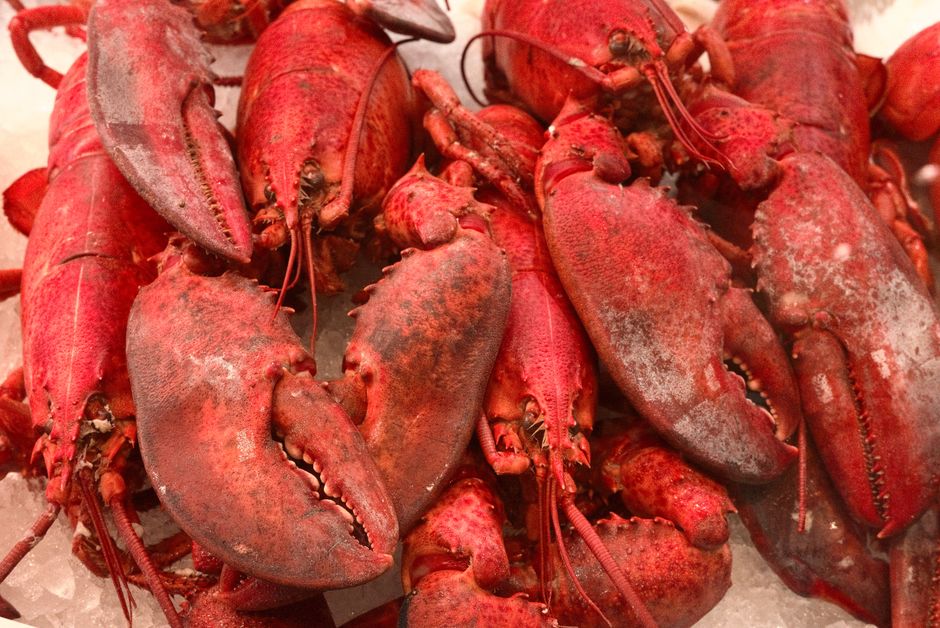
Yes, lobster is keto friendly. A 3-ounce serving of cooked lobster has less than 1 gram of carbs and about 16 grams of protein. This makes it an excellent choice for anyone on a ketogenic diet. The real question is not whether lobster fits your macros — it does — but how you prepare it and what you eat with it. That is where most people go wrong.
How Many Carbs Are in Lobster?
Plain lobster meat is very low in carbohydrates. According to the USDA, a 3-ounce serving of cooked lobster contains roughly 0 to 1 gram of net carbs. The exact number depends on the specific species and how it is prepared, but the difference is too small to matter for keto.
Protein is the main macronutrient in lobster. That same serving provides about 16 grams of protein and less than 1 gram of fat. Lobster is not a fatty meat like bacon or ribeye. It is a lean protein source, similar to chicken breast or white fish.
Some people worry that shellfish are too high in carbs for keto. That concern is valid for certain shellfish like clams and mussels, which can have 4 to 5 grams of carbs per serving. But lobster is one of the lowest-carb shellfish options available.
Is Lobster Keto Friendly Nutrition Facts And Tips for Fat Intake
Here is the part most articles get wrong. Lobster is keto friendly for carbs, but it is very low in fat. A standard ketogenic diet requires about 70 to 80 percent of your calories from fat. Lobster alone will not get you there.
If you eat only lobster without adding fat, you will be eating a high-protein, low-fat meal. That can actually work against ketosis. Excess protein can be converted into glucose through a process called gluconeogenesis. This is not a major concern for most people, but it is something to keep in mind if you are strict about staying in ketosis.
The fix is simple. Cook lobster with butter or serve it with a high-fat sauce. This brings the fat content up and keeps your macros balanced. Many people report feeling more satisfied and staying in ketosis more easily when they pair lobster with generous amounts of fat.
What Is the Best Way to Cook Lobster for Keto?
Boiled or steamed lobster with melted butter is the classic keto preparation. The lobster itself has almost no carbs, and the butter adds fat. This combination is hard to beat for macro balance.
Grilled lobster is another good option. Brush it with olive oil or butter before grilling. Avoid sugary marinades or barbecue sauces, which can add 5 to 10 grams of carbs per tablespoon. Some people use a simple garlic butter sauce that adds flavor without carbs.
Lobster salad can work if you make it yourself. Use full-fat mayonnaise and avoid adding sweet relish or sugar. Many restaurant lobster salads include hidden sugars and fillers. Homemade versions give you full control.
Lobster bisque is a common trap. Traditional bisque recipes use flour or roux as a thickener, which adds carbs. Some restaurants also add sherry or cream with sugar. If you order bisque out, ask about the ingredients. Making it at home with heavy cream and no flour is a safer choice.





Comparison of Lobster to Other Keto Proteins
Here is a quick comparison of common keto proteins per 3-ounce cooked serving. This table shows how lobster stacks up against other popular choices.
| Protein Source | Net Carbs (g) | Protein (g) | Fat (g) |
|---|---|---|---|
| Lobster | 0-1 | 16 | 0.5 |
| Salmon | 0 | 22 | 12 |
| Chicken breast | 0 | 26 | 3 |
| Ribeye steak | 0 | 23 | 15 |
| Shrimp | 0-1 | 18 | 1 |
| Bacon | 0 | 12 | 12 |
Lobster is very similar to shrimp in its macro profile. Both are lean proteins that need added fat to fit a standard keto diet. Salmon and ribeye are naturally higher in fat, so they require less adjustment.
What About Lobster Tail and Imitation Lobster?
Lobster tail has the same carb count as other lobster meat. A 3-ounce lobster tail has about 1 gram of net carbs. The tail is slightly leaner than the claw meat, but the difference is negligible.
Imitation lobster is a completely different story. It is made from surimi, which is processed white fish mixed with starches, sugar, and artificial flavoring. A 3-ounce serving of imitation lobster can have 6 to 10 grams of carbs. That is enough to use up half or more of your daily carb allowance on a strict keto diet.
Always check the label if you buy pre-packaged lobster meat. Some brands add preservatives or broth that contain small amounts of sugar. Plain frozen or fresh lobster is the safest bet.
Tips for Eating Lobster on Keto at Restaurants
Restaurant lobster dishes are where hidden carbs appear most often. Here are specific things to watch for based on common menu items.
- Ask for butter instead of drawn butter. Some restaurants use margarine or butter blends with added oils.
- Skip the bread basket and crackers that often come with lobster.
- Avoid lobster rolls. The bun alone adds 20 to 30 grams of carbs. Even lettuce-wrapped versions sometimes have sugary dressing.
- Ask if the lobster is pre-seasoned. Some restaurants use seasoning blends with sugar or cornstarch.
- Order lobster with a side of steamed vegetables or a salad with olive oil and vinegar.
Many seafood restaurants are happy to accommodate keto requests. Just ask clearly and specifically.
Common Misconceptions About Lobster and Keto
The most common myth is that all shellfish are too high in carbs for keto. That is not true. Lobster, shrimp, crab, and scallops are all low enough in carbs to fit a keto diet. The shellfish to watch out for are clams, mussels, and oysters, which have higher carb counts.
Another misconception is that lobster is too expensive or impractical for regular keto meals. While whole lobsters can be pricey, lobster tails and frozen lobster meat are more affordable. Canned or frozen lobster meat is often available at a reasonable price and works well for quick meals.
Some people believe that lobster is unhealthy because it is high in cholesterol. Research published in the Journal of the American Heart Association has shown that dietary cholesterol has a much smaller effect on blood cholesterol than previously thought. For most people, saturated fat and trans fat are bigger concerns than the cholesterol in shellfish.
How to Make Lobster Part of a Balanced Keto Meal
A balanced keto meal with lobster should include three components: the lobster, a fat source, and non-starchy vegetables. This combination keeps carbs low while providing enough fat and fiber.
Try this simple template. Start with 4 to 6 ounces of cooked lobster. Add 2 tablespoons of butter or a quarter cup of full-fat cream sauce. Serve with a side of roasted broccoli, asparagus, or a mixed green salad dressed with olive oil.
Some people find that eating lobster with avocado or a creamy coleslaw works well. The fat from the avocado or the mayonnaise in the coleslaw helps balance the lean protein. This approach is especially useful if you are trying to increase your fat intake without relying entirely on butter.
Frequently Asked Questions
Can I eat lobster every day on keto?
Yes, but you need to add enough fat to your meal to meet your keto macro goals. Plain lobster is too lean to sustain ketosis on its own.
Is lobster better than shrimp for keto?
They are nearly identical in carbs and protein. The choice comes down to taste preference and how you prepare each one.
Does lobster have hidden carbs?
Plain lobster meat has almost no carbs. Hidden carbs come from breading, sauces, marinades, or imitation lobster products.
Can I eat lobster tail on keto?
Yes. Lobster tail has the same low carb count as other lobster meat. Just prepare it without sugary glazes or breading.
