
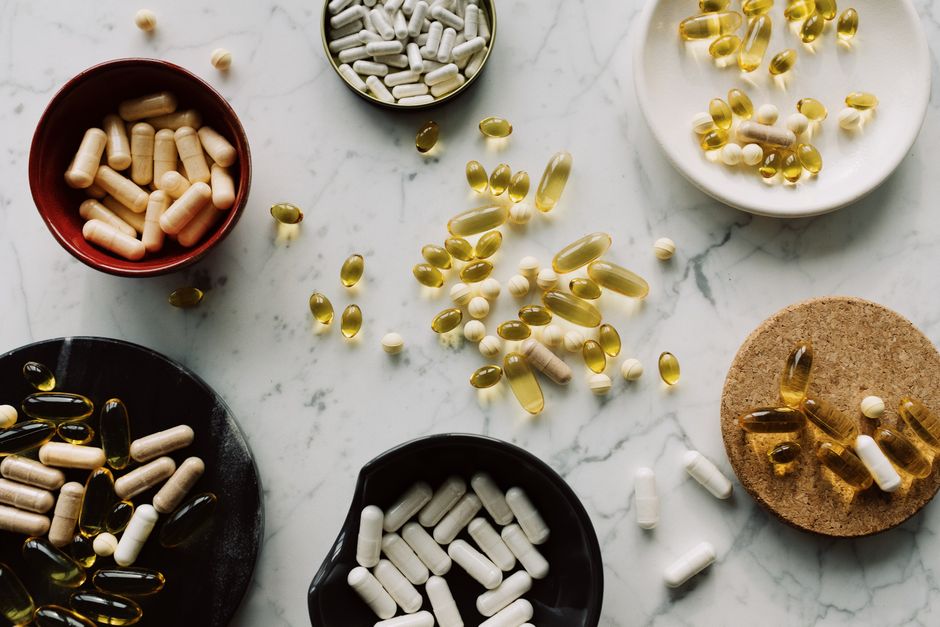
Linzess is not a probiotic. Linzess is a prescription drug approved by the FDA to treat irritable bowel syndrome with constipation and chronic idiopathic constipation in adults. Probiotics are live microorganisms taken as supplements or foods. They are completely different categories of products that work in different ways.
The confusion likely comes from both being connected to gut health. But one is a medication with a specific molecular target, and the other is a broad category of live bacteria and yeasts with varying and often unproven effects.
What Is Linzess and How Does It Work?
Linzess is the brand name for linaclotide, a synthetic peptide drug. It belongs to a class called guanylate cyclase-C agonists.
Here is the mechanism. Linaclotide binds to a receptor on the surface of cells lining the intestine called guanylate cyclase-C, or GC-C. When it binds, it triggers production of cyclic GMP inside those cells. That molecule then activates a channel that pumps chloride and bicarbonate ions into the intestinal lumen. Water follows those ions by osmosis.
The result is more fluid in the intestine. That extra fluid softens stool and speeds transit. Linaclotide also appears to reduce pain signaling from the gut to the nervous system, though the exact way this works is not fully understood.
The FDA approved Linzess in 2012. It is available in capsule form and taken once daily on an empty stomach, at least 30 minutes before the first meal of the day. The approved doses are 72 mcg, 145 mcg, and 290 mcg, depending on the condition being treated. Linzess is not approved for use in children. In fact, the FDA has a boxed warning stating that Linzess should not be used in patients younger than 2 years because of the risk of severe dehydration from diarrhea.
Common side effects include diarrhea, abdominal pain, gas, and bloating. Diarrhea is the most frequent reason people stop taking it.
What Are Probiotics and How Do They Differ?
Probiotics are live microorganisms — bacteria or yeast — that are intended to confer a health benefit when consumed in adequate amounts. That definition comes from the World Health Organization and the Food and Agriculture Organization.
They are sold as dietary supplements, added to foods like yogurt and kefir, and available in many strains and combinations. Common genera include Lactobacillus, Bifidobacterium, and Saccharomyces.
The key difference from Linzess is this: probiotics are living organisms. Linzess is a manufactured peptide. Probiotics are not drugs in the regulatory sense — they are supplements, which means they do not go through the same FDA approval process that medications do for safety and effectiveness.
Another important difference is specificity. Linzess has one molecular target. Probiotics have no single defined mechanism. Different strains can have different effects, and the evidence for most strains and most health claims is limited or mixed.
Is Linzess A Probiotic How It Works Vs Probiotics?
No, Linzess is not a probiotic. This is the central point of confusion, and it comes down to what each product actually is.
Linzess is a prescription medication with a defined chemical structure, a defined dose, and a defined mechanism of action. It has been tested in large randomized controlled trials, which are the gold standard for determining whether a treatment works.
Probiotics are a category, not a single product. When someone says “probiotics,” they could mean any of dozens of strains at any of dozens of doses. The evidence for one strain does not transfer to another.
Some research suggests certain probiotic strains may help with specific conditions like antibiotic-associated diarrhea or some forms of infectious diarrhea. But the evidence for probiotics in IBS and chronic constipation is mixed. Some studies show modest benefit; others show none. A 2018 review published in the journal Gut found that probiotic effects in IBS varied widely depending on the strain and the person.
Here is a non-obvious point that often gets lost: the gut microbiome is enormously complex, and we still do not fully understand what a “healthy” microbiome looks like. Taking a probiotic supplement does not reliably change the composition of your gut bacteria in a lasting way. Many strains do not colonize the gut permanently. They pass through.





Can You Take Linzess and Probiotics Together?
There is no known interaction between Linzess and probiotics that would make them unsafe to take together. Some clinicians recommend probiotics alongside standard IBS treatment. But that recommendation is not strongly supported by large trials.
If you are considering adding a probiotic while taking Linzess, talk to your doctor first. This is especially important if you have a weakened immune system, a central venous line, or are critically ill. In those groups, live microorganisms can cause infections. The FDA has issued warnings about this risk.
Also keep in mind that dietary supplements, including probiotics, are not reviewed by the FDA for effectiveness before they are sold. What is on the label may not match what is in the capsule. Some independent testing has found that many probiotic products contain different strains or amounts than listed.
Which One Should You Consider for IBS or Constipation?
This is not a choice between two equivalent options. Linzess is an FDA-approved treatment for IBS-C and chronic idiopathic constipation with clinical trial evidence behind it. Probiotics are supplements with limited and inconsistent evidence for these conditions.
That does not mean probiotics are useless. It means the evidence is not strong enough to present them as a reliable treatment for IBS or chronic constipation.
If you have chronic constipation or IBS-C, the conversation with your doctor typically starts with lifestyle factors — fiber intake, hydration, physical activity — and then moves to medications if those are not enough. Linzess is one of several prescription options. Others include lubiprostone, plecanatide, and prucalopride. Each works differently and has different side effects.
Probiotics may be worth discussing as an add-on, but they should not replace proven treatments. And because different strains have different evidence, a general “probiotic” recommendation is not very useful. The strain matters.
Key Differences at a Glance
| Feature | Linzess (linaclotide) | Probiotics |
|---|---|---|
| Category | Prescription drug | Dietary supplement |
| What it is | Synthetic peptide | Live microorganisms |
| Mechanism | Activates GC-C receptor, increases intestinal fluid | Varies by strain; no single mechanism |
| FDA approval | Yes, for IBS-C and CIC in adults | No; regulated as supplements |
| Evidence for IBS/constipation | Large randomized trials | Mixed and strain-specific |
| Dose | 72 mcg, 145 mcg, or 290 mcg once daily | Varies widely; no standard dose |
| Main side effect | Diarrhea | Generally mild; risk of infection in vulnerable groups |
What Else Should You Know?
Linzess works within the gut and is minimally absorbed into the bloodstream. That is one reason its side effects are mostly gastrointestinal. It does not act like an antibiotic, and it does not kill bacteria. It does not change your microbiome in the way a probiotic aims to.
Probiotics, by contrast, are intended to add living organisms to your gut. Whether they take up residence, how long they stay, and what effect they have depends on the strain, the dose, the product quality, and the individual.
One more thing worth clarifying: some people use “probiotic” loosely to mean anything that supports gut health. By that loose definition, someone might call Linzess a probiotic. That is incorrect. Linzess is a drug. It has no living organisms in it.
Frequently Asked Questions
Is Linzess a probiotic?
No. Linzess is a prescription medication called linaclotide, not a probiotic. It contains no live bacteria or yeast.
Can I take Linzess and probiotics at the same time?
There is no known interaction that makes them unsafe together, but talk to your doctor before combining them. This is especially important if you have a weakened immune system.
Do probiotics work for IBS or constipation?
The evidence is mixed and depends heavily on the specific strain. Some studies show modest benefit for certain strains, while others show none.
How is Linzess different from a probiotic supplement?
Linzess is an FDA-approved drug with a defined molecular target and dose. Probiotics are supplements containing live microorganisms, and they are not FDA-approved for treating any condition.
