
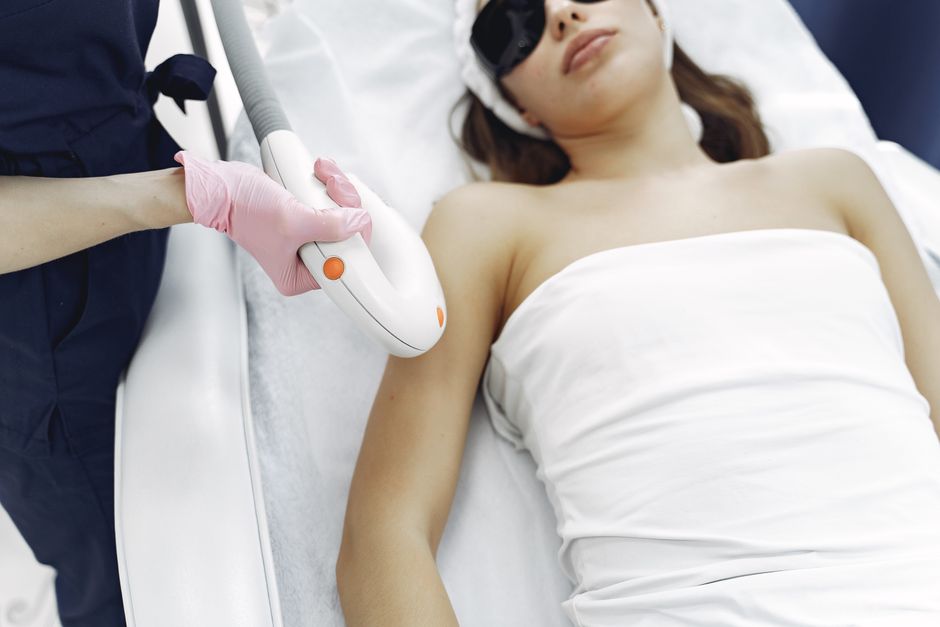
Laser hair removal is worth it for many people, but it is not permanent and it is not cheap. Most people need six to eight sessions to see major hair reduction, and each session typically costs between $200 and $400 depending on the treatment area and where you live. Results vary widely by skin tone, hair color, and hormone status, and some hair usually grows back over time.
That is the short answer. The longer answer involves understanding how the technology actually works, what “permanent” means in this context, and who tends to get the best outcomes. This guide covers costs, realistic results, risks, and the questions worth asking before you book a consultation.
How Does Laser Hair Removal Actually Work?
Hair removal lasers target melanin, the pigment that gives hair and skin their color. The laser emits a specific wavelength of light that is absorbed by melanin in the hair shaft. That absorbed energy converts to heat, which damages the hair follicle and structures that regrow hair.
The key detail most people miss: lasers only work well on hair in its active growth phase, called anagen. At any given time, only a portion of your hair is in that phase. Hair on the body cycles through growth, rest, and shedding at different rates. This is why one session does not clear an area. You need repeat treatments spaced weeks apart to catch hair as it enters the active phase.
The contrast between hair color and skin color matters enormously. Dark hair on light skin absorbs laser energy well because the follicle soaks up the light while surrounding skin reflects more of it. Light hair (blonde, red, gray) has little melanin and responds poorly to most lasers. Dark skin carries more melanin in the surrounding tissue, which raises the risk of burns and pigmentation changes and requires specific laser types and settings.
Is Laser Hair Removal Permanent?
No. Laser hair removal is best described as long-term hair reduction, not permanent removal. The FDA uses the word “permanent” for devices that achieve a stable long-term reduction in hair count, not complete elimination. That distinction matters.
Clinical studies generally report substantial hair reduction after a full course of treatment, often in the range of 70 to 90 percent for ideal candidates. But “ideal” means dark hair and lighter skin. Results drop significantly for people with light hair or darker skin tones treated with older technology.
Hair that does regrow tends to be finer and lighter, which many people find acceptable. Hormonal changes — pregnancy, menopause, thyroid conditions, polycystic ovary syndrome — can trigger new hair growth even after successful treatment. Some people return for maintenance sessions once or twice a year to keep results.
This is the honest position: laser hair removal delivers real, lasting reduction for many people, but no responsible clinician promises you will never shave again.
Is Laser Hair Removal Worth It Costs Results?
Whether it is worth it comes down to your budget, your hair and skin type, and how much the hair bothers you. The cost picture is more complicated than the per-session price suggests.
In the United States, single sessions typically run from roughly $200 to $400 for a small area like the upper lip or underarms, and higher for larger areas like the back or legs. You usually need six to eight sessions, and sometimes more, spaced about four to six weeks apart. That puts a realistic total for a small area in the low thousands of dollars, and more for larger areas.
Pricing varies enormously by region, provider type, and whether you see a dermatologist, a medical spa, or a chain clinic. A dermatologist’s office usually costs more than a med spa, but you are paying for medical oversight, proper laser selection, and management of complications.
Compare that to a lifetime of shaving, waxing, or threading. Waxing every few weeks for years adds up too. For some people the math favors laser. For others it does not, especially if their hair type predicts a weak response.
One clarification worth making: package deals and “lifetime” memberships often look cheaper per session but lock you into a provider. Read the fine print on refunds and transferability before you commit.
Who Gets the Best Results?
The strongest predictors of good outcomes are dark hair and lighter skin. If you have coarse, dark hair on fair skin, you are the classic ideal candidate and most lasers will work well for you.
People with darker skin tones can absolutely get good results, but the laser choice and provider skill matter much more. The Nd:YAG laser, which uses a longer wavelength, is generally the safer option for darker skin because it bypasses the skin’s melanin and targets deeper structures. A provider experienced with your skin type is not optional here — it is the difference between a good outcome and a burn.
Light blonde, red, gray, or white hair responds poorly to standard lasers because there is little melanin to absorb the light. Some newer devices claim to address this, but the evidence is limited and results are generally modest.
Hormonal conditions change the picture. If you have PCOS or another condition driving excess hair growth, laser may help but hair can return because the underlying hormonal driver remains. Some clinicians recommend addressing the hormonal issue alongside treatment.
What Are the Risks and Side Effects?
Common side effects are temporary and include redness, mild swelling, and discomfort during treatment. These usually resolve within hours to a few days. Many providers use cooling devices or numbing cream to manage pain.
More serious risks include burns, blistering, scarring, and changes in skin pigmentation — either darkening (hyperpigmentation) or lightening (hypopigmentation). These risks are higher with improper settings, inappropriate laser choice for your skin type, or treatment by an inexperienced operator. Pigmentation changes can sometimes be long-lasting.
Rarely, laser treatment can trigger paradoxical hair growth — more hair in the treated area, particularly on the face and neck. The reasons are not fully understood, and it is more commonly reported in people with darker skin.
Laser hair removal is not recommended during pregnancy. No clinical guidelines establish it as safe or unsafe during pregnancy because it has not been well studied in pregnant women, and most providers decline to treat.
If you have a history of cold sores, treatment around the mouth can trigger an outbreak. Tell your provider so they can discuss prevention.
How Do You Choose a Provider?
Choose a provider with medical oversight and specific experience treating your skin type. This is the single most important decision you will make about the procedure.
A few practical checks:
- Ask who will perform the treatment and what their training and credentials are.
- Ask which laser they plan to use and why it suits your skin and hair type.
- Ask how they handle complications and whether a physician is available.
- Request a patch test before your first full session.
- Be wary of aggressive sales pressure, prices far below local norms, or promises of guaranteed permanent results.
A good consultation includes an honest assessment of whether you are a good candidate. If a provider promises flawless, permanent results regardless of your hair and skin type, that is a warning sign.
What Should You Expect During and After Treatment?
Sessions are usually quick — minutes for small areas, up to an hour for large ones. You may feel a snapping or stinging sensation. Most people tolerate it without numbing, though it varies by area and individual.
You will likely see some hair shedding in the days to weeks after treatment as damaged follicles release hair. Do not mistake this for regrowth. Between sessions, hair grows back patchier and finer as more follicles are disabled.
After treatment, avoid sun exposure on the treated area, skip hot baths and intense exercise for a day or so, and follow your provider’s aftercare instructions. Sun protection matters because treated skin is more sensitive to pigmentation changes.
Results build gradually across the full course. Judging the outcome after one or two sessions is premature.
Frequently Asked Questions
How much does laser hair removal cost?
In the US, single sessions typically range from about $200 to $400 for small areas, with larger areas costing more. A full course of six to eight sessions usually totals in the low thousands for small areas.
How many laser hair removal sessions do I need?
Most people need six to eight sessions spaced four to six weeks apart to see major hair reduction. Some need more, and maintenance sessions afterward are common.
Does laser hair removal hurt?
Most people describe a snapping or stinging sensation during treatment. Discomfort varies by area and individual, and many providers use cooling devices or numbing cream to manage it.
Can laser hair removal work on dark skin?
Yes, but the laser type and provider experience matter far more. Longer-wavelength lasers such as Nd:YAG are generally considered safer for darker skin tones, and treatment by a provider experienced with your skin type is essential.
