
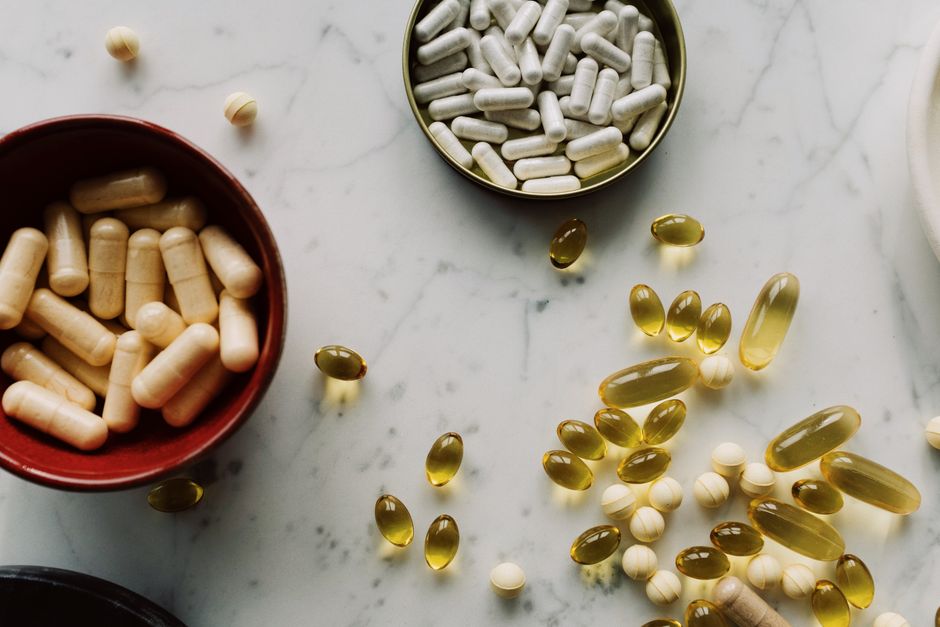
L-lysine is an essential amino acid that many people take for cold sores and other conditions. During pregnancy, the question of safety comes down to dose and purpose. The available evidence indicates that L-lysine at amounts found in food is safe, but high-dose supplements have not been thoroughly studied in pregnant women. Most healthcare providers advise getting lysine from dietary sources during pregnancy unless a specific deficiency or medical condition has been identified.
What Is L-Lysine and Why Do People Take It?
L-lysine is one of the nine essential amino acids. Your body cannot make it, so you must get it from food or supplements. It is a building block for proteins and plays a role in calcium absorption, collagen formation, and the production of enzymes and hormones.
People commonly take L-lysine supplements for cold sores caused by the herpes simplex virus. Some research has found that regular use may reduce the frequency of outbreaks, although results have been mixed. Others take it for athletic performance, anxiety, or bone health, but the evidence for these uses is limited.
During pregnancy, your body needs more protein and amino acids to support fetal growth. This increased need can usually be met through a balanced diet.
Is L-Lysine Safe To Take During Pregnancy? Key Facts
The short answer is that L-lysine supplements are likely safe in typical doses, but the evidence is not strong. No large controlled studies have specifically examined L-lysine supplementation in pregnant women. This is common for many supplements — pregnancy is a group that researchers often exclude from trials for ethical reasons.
The FDA categorizes L-lysine as Generally Recognized As Safe (GRAS) for use in food. That designation applies to amounts found in food, not necessarily to high-dose supplements. Typical supplement doses range from 500 mg to 3,000 mg per day, which is far more than you would get from diet alone.
What we know from animal studies is limited. Some animal research has not shown harm, but animal data does not always predict effects in humans. The absence of evidence is not evidence of safety — it simply means we do not know for certain.
How Much L-Lysine Do You Need During Pregnancy?
There is no specific recommended dietary allowance for L-lysine alone. Instead, guidelines focus on total protein intake. During pregnancy, the recommended protein intake increases to about 71 grams per day, up from 46 grams for non-pregnant women. This is based on the Dietary Reference Intakes established by the National Academies.
Lysine is abundant in many common foods. Good sources include:
- Chicken and turkey
- Fish such as salmon and tuna
- Eggs
- Dairy products like milk, cheese, and yogurt
- Beef and pork
- Legumes including lentils and chickpeas
- Quinoa and other whole grains
A typical Western diet provides 6,000 to 10,000 mg of lysine per day from food. Most pregnant women get more than enough without supplements.





Potential Risks of L-Lysine Supplements in Pregnancy
The main concern with any supplement during pregnancy is that the fetus is developing rapidly, and the placenta does not fully protect against everything the mother consumes. Some substances can cross the placenta and affect fetal development.
High doses of L-lysine can cause gastrointestinal side effects such as nausea, diarrhea, and abdominal cramps. These symptoms are uncomfortable at any time, but they can be more problematic during pregnancy when nausea is already common.
There is also a theoretical concern about lysine and arginine balance. Lysine and arginine compete for absorption in the body. Some researchers have raised questions about whether high lysine intake could interfere with arginine availability, which is important for growth and development. However, this has not been studied specifically in pregnancy, and the clinical significance is unknown.
One more consideration: L-lysine can interact with certain medications. If you are taking calcium supplements or medications for osteoporosis, lysine may affect calcium absorption. Always review your full supplement list with your healthcare provider.
When Do Doctors Recommend L-Lysine During Pregnancy?
There are situations where a healthcare provider might recommend L-lysine during pregnancy. The most common is for recurrent cold sores. Pregnancy can trigger herpes outbreaks due to hormonal changes and shifts in immune function.
If you have a history of frequent cold sores, your doctor might discuss options. Some clinicians recommend L-lysine at doses of 500 to 1,000 mg per day for prevention. This is common clinical practice, but it is not backed by strong evidence from pregnancy-specific studies.
Another situation is a confirmed lysine deficiency, which is rare. It can occur in people with certain digestive disorders that impair protein absorption, or in those following very restrictive diets.
In both cases, the decision should be made with your obstetrician or midwife. Do not start L-lysine on your own without discussing it with a professional who knows your medical history.
How Does L-Lysine Compare to Other Cold Sore Options in Pregnancy?
Cold sores are a common reason women seek L-lysine during pregnancy. It is worth understanding the alternatives, because some are better studied than others.
Topical antiviral creams like acyclovir and penciclovir have been used during pregnancy. The evidence on their safety is more extensive than for L-lysine, although it is still based largely on observational data. These creams are applied to the skin and very little is absorbed into the bloodstream.
Oral antiviral medications are sometimes prescribed for severe or frequent outbreaks. These are generally considered low-risk, but they require a prescription and a discussion with your doctor.
Simple measures like keeping the area clean, avoiding triggers, and using sun protection on the lips can help reduce outbreaks without any medication. Stress management and adequate sleep may also help, since stress is a known trigger for herpes outbreaks.
L-lysine is not the only option, and it may not be the best one for every person. The right choice depends on your outbreak frequency, severity, and overall health.
What Does the Research Actually Show?
It is important to be clear about what the research does and does not show. For cold sores in the general population, some studies have found that L-lysine supplementation reduces outbreak frequency, while others have found no benefit. The evidence is mixed.
For pregnancy specifically, there are no large clinical trials. The research that exists is limited to animal studies and small observational data. This means we cannot say with confidence that L-lysine is safe in pregnancy, nor can we say it is harmful.
Some research suggests that lysine plays a role in bone health and calcium metabolism. This has led to interest in lysine supplements for bone density, but the evidence is not strong enough to recommend it for this purpose during pregnancy.
The honest position is this: L-lysine from food is safe and necessary. L-lysine from supplements is probably safe at typical doses, but the data is not definitive. If you are considering it, the safest approach is to discuss it with your healthcare provider first.
Practical Recommendations for Pregnant Women
If you are pregnant and thinking about L-lysine, here is a practical way to approach it.
First, focus on food sources. A diet rich in poultry, fish, eggs, dairy, and legumes provides ample lysine without any supplement-related concerns. This also provides other nutrients you need during pregnancy.
Second, if you have recurrent cold sores, talk to your doctor about your options. They can help you weigh the risks and benefits of L-lysine versus other treatments. Be honest about how often you get outbreaks and how severe they are.
Third, do not exceed the dose your doctor recommends. More is not better, and high doses increase the risk of side effects without clear additional benefit.
Fourth, tell your doctor about every supplement you take, including L-lysine. This includes supplements you started before pregnancy. Some women continue taking supplements from before pregnancy without mentioning them, and this can create risks they do not anticipate.
Frequently Asked Questions
Can I take L-lysine while pregnant for cold sores?
Some doctors recommend L-lysine for cold sore prevention during pregnancy, but the evidence is not strong. Discuss your outbreak history with your healthcare provider before starting any supplement.
What is a safe dose of L-lysine during pregnancy?
No established safe dose exists for pregnancy specifically. Clinicians who recommend it typically suggest 500 to 1,000 mg per day, but you should only take it under medical supervision.
Is L-lysine in food safe during pregnancy?
Yes, L-lysine from food sources is safe and necessary during pregnancy. Foods like chicken, fish, eggs, and dairy provide lysine as part of a healthy pregnancy diet.
Can L-lysine cause birth defects?
No evidence currently links L-lysine to birth defects, but this has not been studied in large human trials. The lack of data means the risk cannot be fully ruled out.
