
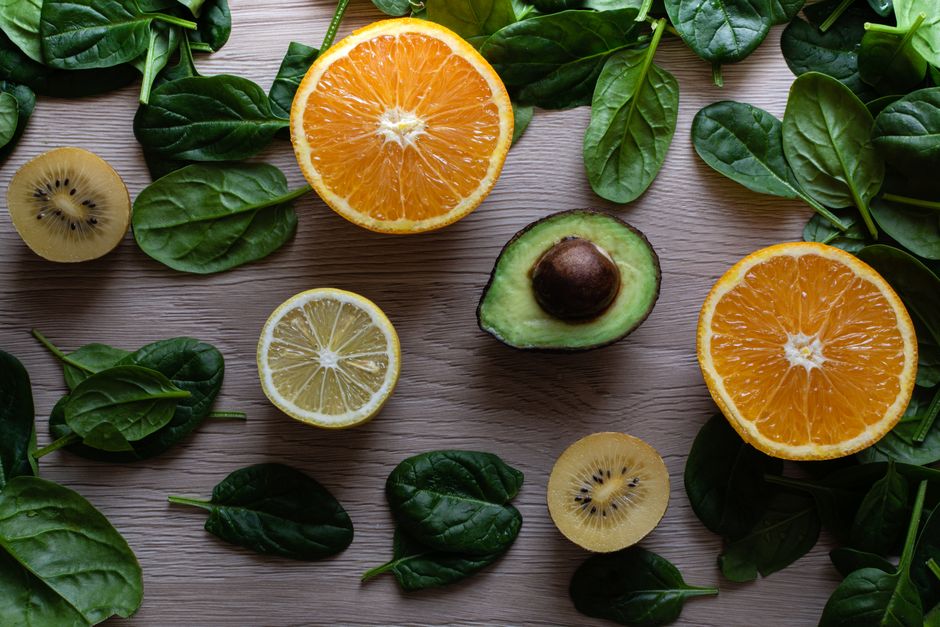
Kiwi fruit is not a citrus fruit. It belongs to the genus Actinidia, while citrus fruits belong to the genus Citrus — a completely different branch of the plant family tree. The confusion is understandable, because kiwi and citrus share a tart, bright flavor and both are famous for vitamin C.
That similarity is where the connection ends. Kiwi is a berry that grows on a woody vine. Oranges, lemons, limes, and grapefruit grow on trees in the citrus family. They are as genetically distant from each other as a tomato is from a peach.
What Family Does Kiwi Fruit Belong To?
Kiwi belongs to the family Actinidiaceae, and the edible fruit comes from vines in the genus Actinidia. The most common commercial variety is Actinidia deliciosa, known as the fuzzy kiwifruit or Hayward kiwi. A related species, Actinidia chinensis, produces the smooth-skinned golden kiwi now sold in many grocery stores.
These vines are native to southern China, where the fruit was originally called yang tao or Chinese gooseberry. Seeds were carried to New Zealand in the early 1900s, and growers there renamed it “kiwifruit” for its resemblance to the brown, fuzzy kiwi bird. The name stuck.
Citrus fruits, by contrast, sit in the family Rutaceae and the genus Citrus. Oranges, mandarins, lemons, limes, grapefruit, and pomelos all belong there. Kiwi shares no genus, no family, and no close evolutionary relationship with any of them.
Why Do People Think Kiwi Is A Citrus Fruit?
The mix-up comes down to taste and nutrition, not biology. Kiwi is tangy and acidic, and it delivers a big dose of vitamin C — two things people strongly associate with oranges and lemons.
There is a real chemical reason for the tartness. Kiwi contains organic acids, including citric acid and quinic acid, which give it that sharp, bright bite. Citric acid is also found in citrus fruits, so the flavor overlap is genuine. But sharing one acid does not make two fruits relatives. Apples, berries, and many other fruits also contain citric acid.
The vitamin C connection adds to the confusion. Kiwi is one of the most vitamin C-dense fruits you can eat. According to USDA nutritional data, a single medium raw kiwi provides roughly 60 to 70 milligrams of vitamin C — comparable to or higher than a medium orange. That nutritional similarity leads many people to assume a botanical one.
Here is a detail that surprises most people: the fuzzy brown skin of a kiwi is edible. It contains fiber and additional nutrients. Whether to eat it is a matter of texture preference, not safety, though washing it first is sensible.
How Is Kiwi Different From Citrus Fruits?
Beyond genetics, kiwi and citrus differ in how they grow, how they are structured, and how they behave in the kitchen.
- Plant type: Kiwi grows on a climbing vine. Citrus grows on evergreen trees or shrubs.
- Fruit structure: Kiwi is a berry with tiny black seeds throughout its flesh. Citrus is a hesperidium — a modified berry with a thick rind and segmented juicy sacs.
- Skin: Kiwi skin is thin, brown, and fuzzy (or smooth, in golden varieties). Citrus rind is thick, leathery, and rich in aromatic oils.
- Growing climate: Kiwi vines need a period of winter chill. Citrus trees are sensitive to frost and grow best in warm, frost-free climates.
- Enzymes: Kiwi contains actinidin, a protein-digesting enzyme. Citrus fruits do not.
That actinidin enzyme matters in cooking. It breaks down proteins, which is why kiwi can be used as a meat tenderizer. It also means fresh kiwi will prevent gelatin from setting, and it can make dairy taste slightly bitter if left to sit. Citrus does not do any of this.





Does Kiwi Have The Same Nutrients As Citrus?
They overlap on vitamin C but differ in many other nutrients. Kiwi brings fiber, vitamin K, vitamin E, folate, and potassium to the table. Citrus brings its own mix, including folate, potassium, and a range of plant compounds called flavonoids.
| Nutrient | Kiwi (1 medium, raw) | Orange (1 medium, raw) |
|---|---|---|
| Vitamin C | Roughly 60–70 mg | Roughly 50–70 mg |
| Vitamin K | Notable source | Low |
| Vitamin E | Present | Low |
| Fiber | About 2 g | About 3 g |
| Potassium | Present | Present |
Both fruits are nutritious. Neither is a substitute for the other in a varied diet, and both are worth eating for different reasons.
Is Kiwi A Common Allergen?
Kiwi allergy is real and appears to be more common than many people realize, though it is not among the top allergens in the United States. Symptoms can range from tingling or itching in the mouth to hives, and in rare cases a more serious reaction.
There is a known cross-reactivity pattern. Some people allergic to latex also react to kiwi, along with banana, avocado, and chestnut. This is called latex-fruit syndrome, and it happens because the proteins involved are structurally similar. If you have a latex allergy, it is worth being cautious with kiwi and discussing it with a clinician.
People with oral allergy syndrome triggered by birch pollen may also react to kiwi, because some proteins in the fruit resemble pollen proteins. Cooking kiwi can reduce this type of reaction, but it does not eliminate the risk for everyone. Anyone with a known kiwi allergy should avoid the fruit and speak with a doctor about management.
Can You Eat Kiwi If You Avoid Citrus?
For most people who avoid citrus due to a citrus allergy, kiwi is a safe and unrelated fruit. It contains no citrus proteins, so a true citrus allergy does not automatically extend to kiwi.
There is one important exception. Some people avoid citrus because of acid sensitivity, acid reflux, or a low-acid diet. Kiwi is also acidic, so it may trigger the same discomfort even though it is not a citrus fruit. If your reason for avoiding citrus is acid-related rather than allergy-related, kiwi may not agree with you either.
If you avoid citrus because of a medication interaction, the picture is different again. Grapefruit, for example, interferes with certain drugs through a specific compound called furanocoumarin. Kiwi does not contain this compound and is not known to cause the same interaction. Anyone taking medication should still check with a pharmacist before making diet changes.
Is Kiwi Fruit A Citrus Fruit?
No. Kiwi is a berry from the genus Actinidia. Citrus fruits come from the genus Citrus. They are unrelated plants that happen to share a tart flavor and a high vitamin C content.
The practical takeaway is simple. If you are avoiding citrus for an allergy, kiwi is generally fine. If you are avoiding it for acid reasons, kiwi may still bother you. And if you are simply choosing fruit for nutrition, both kiwi and citrus earn their place — for partly different reasons.
Frequently Asked Questions
Is kiwi a citrus fruit or a berry?
Kiwi is a berry, botanically speaking. It comes from the genus Actinidia and has no relation to the citrus genus.
Why does kiwi taste like citrus if it is not citrus?
Kiwi contains citric acid, the same acid that gives citrus its tart flavor. Sharing that one compound creates a similar taste without any botanical relationship.
Can you be allergic to kiwi but not citrus?
Yes. Kiwi allergy is separate from citrus allergy, though some people with latex allergy also react to kiwi due to cross-reactive proteins.
Does kiwi have more vitamin C than an orange?
They are roughly comparable. A medium kiwi and a medium orange each provide a similar amount of vitamin C, according to USDA nutritional data.
