
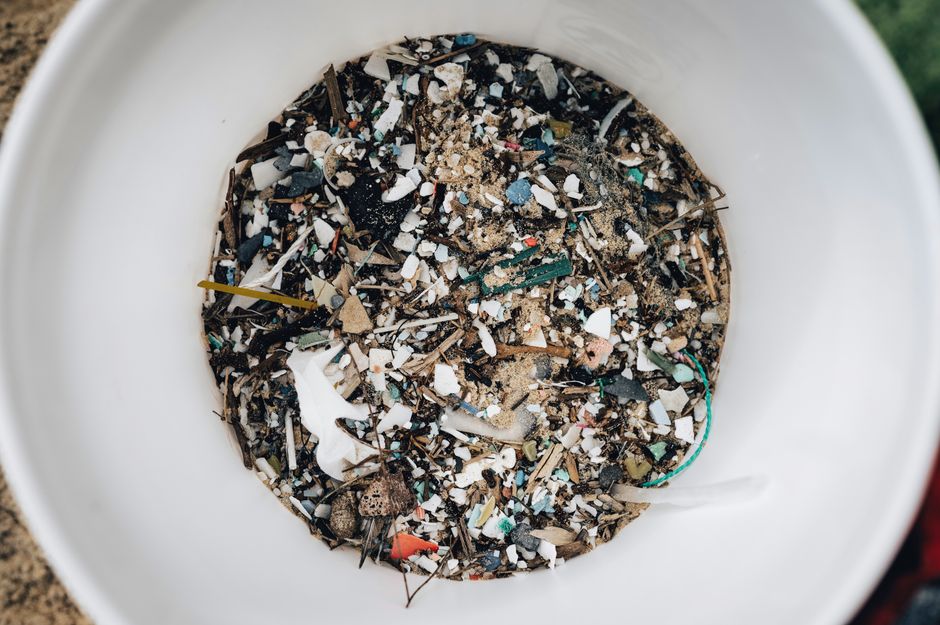
Keurig coffee is not inherently bad for you, and the evidence does not show that using a Keurig exposes you to dangerous levels of microplastics or mold. The bigger practical concerns are cleaning habits, water quality, and what you add to the cup. Most claims you see online about “plastic coffee” and “moldy machines” mix a real but small mechanism with a lot of exaggeration.
Here is the honest breakdown. Plastic parts in any coffee maker can shed tiny particles, and any damp machine left uncleaned can grow microbes. Both are real. Neither has been shown to make Keurig coffee a meaningful health risk at normal use. What matters is how the machine is used and maintained.
Is Keurig Coffee Bad For You Microplastics Mold?
The short answer is no — not based on current evidence. There is no clinical research showing that drinking coffee from a Keurig causes harm through microplastics or mold. That is a statement about the absence of evidence, not proof of zero risk, and the distinction matters.
Keurig machines use hot water pushed through a plastic K-Cup and plastic internal components. Heat and plastic together can release small amounts of particles and chemicals. This is true of most plastic food-contact items, not just coffee makers. The question researchers actually study is whether the amounts are high enough to matter for human health. So far, the data do not show that they are.
Mold is a separate issue. Mold needs moisture and organic material to grow. A coffee machine provides both if it is not cleaned and dried. That is a maintenance problem, not a design flaw unique to Keurig.
Do K-Cups Release Microplastics Into Your Coffee?
Yes, some plastic particles can end up in the brewed coffee. The amount appears to be small. A study published in 2023 in the journal Environmental Science & Technology looked at plastic tea bags and found they released large numbers of particles — but that was tea bags, not K-Cups, and it does not directly transfer to coffee pods.
Research specifically on coffee pod machines is more limited. Some studies have detected microplastics and nanoplastics in brewed coffee from pod machines, but the measured levels have generally been low, and no study has linked those levels to a health outcome in people. This is an emerging area of research, and the science is still catching up to the concern.
One clarification worth making: “microplastics” and “nanoplastics” are different sizes. Microplastics are small fragments, generally under 5 millimeters. Nanoplastics are far smaller — measured in billionths of a meter — and are much harder to detect and study. Most alarming headlines blur the two together.
How Much Plastic Actually Ends Up in the Cup?
Nobody has a reliable, standardized number. Studies use different methods, different machines, and different detection limits, so their results are not directly comparable. This is a real limitation in the field, not a gap you can fill with a confident figure.
What can be said with reasonable confidence:
- Plastic food-contact materials, including coffee makers, can shed particles into hot liquids.
- The amounts detected in brewed coffee have generally been low in the studies that exist.
- No human study has shown a health effect from these levels.
- We do not yet know the long-term effects of chronic low-level exposure to nanoplastics in general.
That last point is the honest one. Scientists are still working out what chronic exposure to very small plastic particles means for human health. Anyone who tells you the answer is settled — in either direction — is going beyond the evidence.
Can Mold Grow in a Keurig Machine?
Yes. Mold and other microbes can grow in any coffee maker that stays damp and is not cleaned regularly. The warm, humid environment inside the machine is favorable for microbial growth.
The reservoir is the most common spot. Water sitting in the tank for days, especially in a warm kitchen, gives microbes a place to multiply. The drip tray, the pod holder, and the needle that pierces the K-Cup can also collect residue and moisture.
Mold in a coffee machine is a cleaning issue. It is not evidence that Keurig coffee is contaminated by design. A machine that is cleaned and allowed to dry will not harbor meaningful mold growth.
How Do You Keep a Keurig Clean and Low-Risk?
Regular cleaning is the single most effective step. The goal is to remove moisture, residue, and standing water before anything can grow.
- Empty the water reservoir if you will not use the machine for a few days. Do not let water sit for long periods.
- Wash removable parts — reservoir, drip tray, pod holder — with warm soapy water on a regular schedule. Rinse well.
- Run a descaling or cleaning cycle according to the manufacturer’s instructions. This removes mineral buildup and residue.
- Let parts dry before reassembling. Moisture is what mold needs.
- Use fresh water and change it regularly rather than topping off old water.
Follow the machine’s own cleaning guidance rather than a viral internet routine. Manufacturers publish specific instructions for their models, and those are the most reliable reference for that device.
Are There Other Health Concerns With Keurig Coffee?
The plastic and mold questions get the headlines, but they are not the main health considerations for most people. The coffee itself and what you add to it matter more.
Filtered coffee, including from a Keurig, contains the same beneficial compounds found in other brewed coffee. Research has consistently linked moderate coffee consumption to neutral or favorable health outcomes for most adults. The brewing method changes the flavor and some of the chemistry, but it does not turn coffee into a health hazard.
What people add is often the bigger factor. Sugar, flavored creamers, and syrups can turn a low-calorie drink into a high-sugar one. For people watching blood sugar or weight, the additions matter more than the brewing method.
Caffeine is the other consideration. The general guidance for healthy adults is to keep caffeine intake moderate — commonly cited as up to about 400 milligrams per day, which is roughly the amount in four 8-ounce cups of brewed coffee. K-Cups vary in caffeine content, so check the pod if you are sensitive or limiting intake. People who are pregnant, breastfeeding, or managing a health condition should follow their clinician’s advice on caffeine, since individual guidance varies.
Should You Switch Away From a Keurig?
There is no health-based reason to switch if you clean your machine and drink your coffee in moderation. The evidence does not support the idea that Keurig coffee is dangerous.
Some people prefer other brewing methods for taste, cost, or environmental reasons. Those are legitimate personal choices, not health necessities. If you want to reduce plastic contact with hot water, a pour-over or French press uses glass, ceramic, or metal instead of plastic pods. That is a preference, not a medical recommendation.
The most useful takeaway is unglamorous: clean your machine, use fresh water, and pay attention to what goes in your cup. Those steps do more for your health than worrying about trace particles that research has not shown to be harmful.
Frequently Asked Questions
Is it safe to drink coffee from a Keurig every day?
Yes, for most people, daily Keurig coffee is not linked to harm in the available evidence. Keep the machine clean and mind your total caffeine intake.
Does Keurig coffee contain mold?
A Keurig can grow mold if it stays damp and is not cleaned, but a well-maintained machine does not. Empty and wash the reservoir and removable parts regularly.
Do K-Cups put microplastics in coffee?
Some plastic particles can end up in brewed coffee, but studies have generally found low levels. No research has shown these levels cause harm in people.
Is paper-filter coffee healthier than Keurig coffee?
No strong evidence shows one is healthier than the other for most adults. Paper filters trap some coffee oils, but the health difference is not established.
