
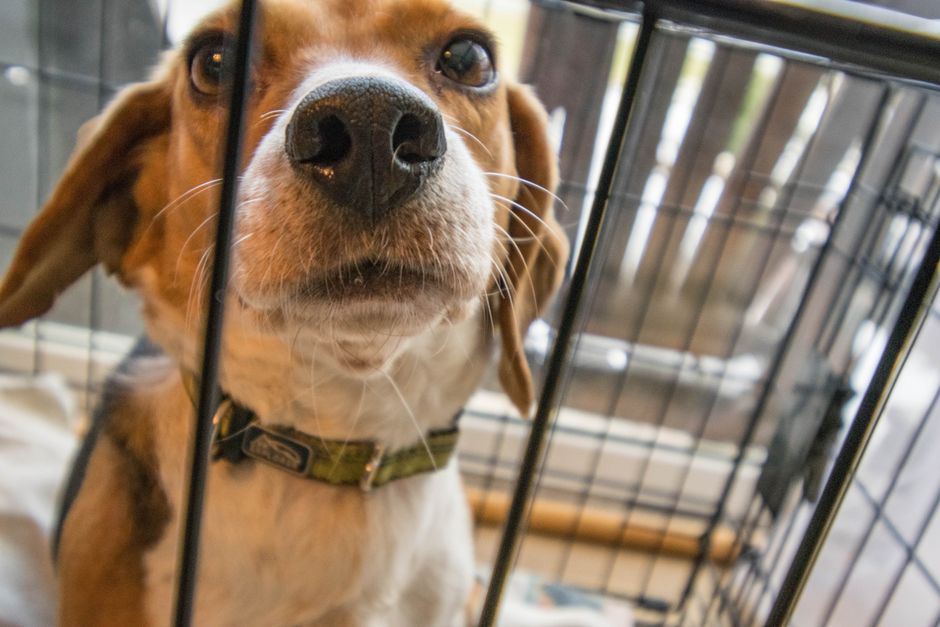
Kennel cough is highly contagious among dogs. The infection spreads easily wherever dogs gather — boarding kennels, dog parks, grooming salons, training classes, and veterinary waiting rooms. A single infected dog can pass it to many others, often before showing any symptoms.
Most cases are mild and clear up on their own. But the ease of transmission surprises many owners. A dog can pick it up from a water bowl, a shared toy, or simply breathing the same air as an infected dog.
What Is Kennel Cough?
Kennel cough is the common name for canine infectious tracheobronchitis — inflammation of the windpipe and upper airways. It is not one disease caused by one germ. It is a syndrome that can be triggered by several different viruses and bacteria, sometimes at the same time.
The most common culprits include Bordetella bronchiseptica (a bacterium), canine parainfluenza virus, and canine adenovirus type 2. Canine influenza virus and canine distemper virus can also cause similar airway signs. Because multiple organisms can produce the same set of symptoms, veterinarians usually diagnose it based on history and physical exam rather than pinpointing the exact germ.
The hallmark sign is a harsh, dry, honking cough. Many owners describe it as sounding like something is stuck in the dog’s throat. The cough often worsens with exercise, excitement, or pressure on the windpipe.
Despite the name, dogs do not need to have been in a kennel to get it. Any close contact with an infected dog can spread it.
Is Kennel Cough Contagious to Other Dogs?
Yes. Kennel cough is one of the most contagious respiratory conditions in dogs. It spreads through airborne droplets when an infected dog coughs or sneezes. It also spreads through direct contact and contaminated objects like bowls, leashes, and toys.
This explains why outbreaks happen so quickly in group settings. In a boarding facility or shelter, one coughing dog can expose dozens of others within a short period.
Dogs can shed the bacteria or virus before they show symptoms. Some dogs carry and spread the infection without ever appearing sick. That silent spread is a big reason kennel cough is so hard to contain.
The incubation period is generally a few days to about a week after exposure. A dog may seem perfectly healthy and still be passing the infection to others during that window.
How Does Kennel Cough Spread So Easily?
The organisms that cause kennel cough are well suited to moving between dogs. They infect the lining of the airways and trigger coughing, which is exactly the behavior that launches infectious particles into the air.
Several factors increase the risk of spread:
- Close quarters with poor ventilation, such as kennels and shelters
- Shared water bowls and toys
- Stress, which can lower a dog’s resistance
- Crowded environments where dogs are in frequent contact
A dog’s own cough can send droplets several feet. In an enclosed space, those droplets linger. This is why outbreaks in boarding facilities can move through a population fast.
It is worth noting that the infection does not spread to people. Kennel cough is not a zoonotic disease in the usual sense — humans do not catch it from their dogs under normal circumstances. There have been rare reports of Bordetella bronchiseptica infection in immunocompromised people, but this is uncommon and not a typical concern for healthy owners.




Can Kennel Cough Spread to Cats or Other Pets?
Cats can develop respiratory infections, and Bordetella bronchiseptica has been implicated in some feline respiratory disease. However, the syndrome we call kennel cough is primarily a dog condition, and cat-to-dog or dog-to-cat transmission is not a major route of spread.
Other pets like rabbits and guinea pigs are generally not part of the kennel cough cycle. The main concern remains dog-to-dog transmission.
If you have both dogs and cats and one dog has kennel cough, keeping them separated is reasonable, but the bigger priority is isolating the affected dog from other dogs.
How Long Is a Dog Contagious?
A dog can spread kennel cough for a meaningful stretch of time. The contagious period typically lasts from the point of exposure through the active infection and recovery.
In general, a dog is considered contagious for up to several weeks after symptoms appear. Some dogs continue to shed the bacteria even after they stop coughing, particularly with Bordetella infections. This is why veterinarians often recommend keeping a recovering dog away from other dogs for a period after symptoms resolve.
The exact duration depends on the organism involved and the individual dog. There is no single number that applies to every case. If you need a clear timeline, your veterinarian can give guidance based on your dog’s specific situation.
How Is Kennel Cough Treated?
Most cases of kennel cough are mild and resolve on their own within one to three weeks. Treatment focuses on rest and supportive care. Many veterinarians recommend keeping the dog quiet, avoiding excitement and exercise that trigger coughing, and using a harness instead of a collar to reduce pressure on the windpipe.
When treatment is needed, it depends on the cause. Bacterial infections may be treated with antibiotics. Cough suppressants or anti-inflammatories are sometimes prescribed when the cough is severe or persistent. Not every case requires medication — uncomplicated viral cases typically do not benefit from antibiotics.
Some clinicians recommend antibiotics more readily than others, and practice varies. The evidence does not support routine antibiotic use for every case. If your dog has a mild cough and is otherwise bright and eating well, your veterinarian may recommend monitoring rather than immediate medication.
Seek veterinary care promptly if your dog:
- Has a cough that lasts more than a week or two
- Stops eating or drinking
- Becomes lethargic
- Has difficulty breathing
- Has a fever or nasal discharge
These signs can indicate a more serious infection or a different condition, such as pneumonia or canine influenza.
Can You Prevent Kennel Cough?
Vaccination reduces the risk but does not eliminate it. Several vaccines target the main organisms involved, including Bordetella bronchiseptica, parainfluenza, and adenovirus. These are often given as part of the routine vaccine series for dogs that are frequently around other dogs.
The vaccines are not fully protective against every cause of kennel cough. Because the syndrome has multiple causes, a vaccinated dog can still develop a cough. However, vaccination is generally associated with milder illness when infection does occur. This is a widely accepted clinical position, though the strength of protection varies depending on the vaccine and the organism.
Other preventive measures include:
- Avoiding contact with dogs that are coughing or appear ill
- Not sharing bowls or toys between unfamiliar dogs
- Keeping your dog away from group settings during outbreaks
- Isolating a dog that develops symptoms
If your dog attends daycare, boarding, or training classes, ask the facility about its vaccination requirements and its policy for handling coughing dogs.
When Should You Keep Your Dog Home?
If your dog has a cough, keep it away from other dogs until the cough has fully resolved and your veterinarian confirms it is safe to return to group activities. This usually means at least a week or two after symptoms stop, though the exact timing depends on the case.
Keeping a coughing dog home protects other dogs and helps prevent outbreaks in your community. It is one of the simplest and most effective steps an owner can take.
Kennel cough is contagious, common, and usually not dangerous. Understanding how it spreads makes it easier to protect your dog and the dogs around it.
Frequently Asked Questions
Can humans catch kennel cough from dogs?
In normal circumstances, humans do not catch kennel cough from dogs. Rare cases of Bordetella bronchiseptica infection have been reported in people with severely weakened immune systems, but this is uncommon.
How long does kennel cough last in dogs?
Most mild cases resolve within one to three weeks. A cough that lasts longer or comes with lethargy, poor appetite, or breathing trouble should be checked by a veterinarian.
Can my dog get kennel cough if it has been vaccinated?
Yes. Vaccination lowers the risk and is generally linked to milder illness, but it does not fully prevent infection because several different organisms can cause the syndrome.
Is kennel cough contagious before symptoms show?
Yes. Dogs can shed the bacteria or virus before they start coughing, and some spread the infection without ever appearing sick.
