
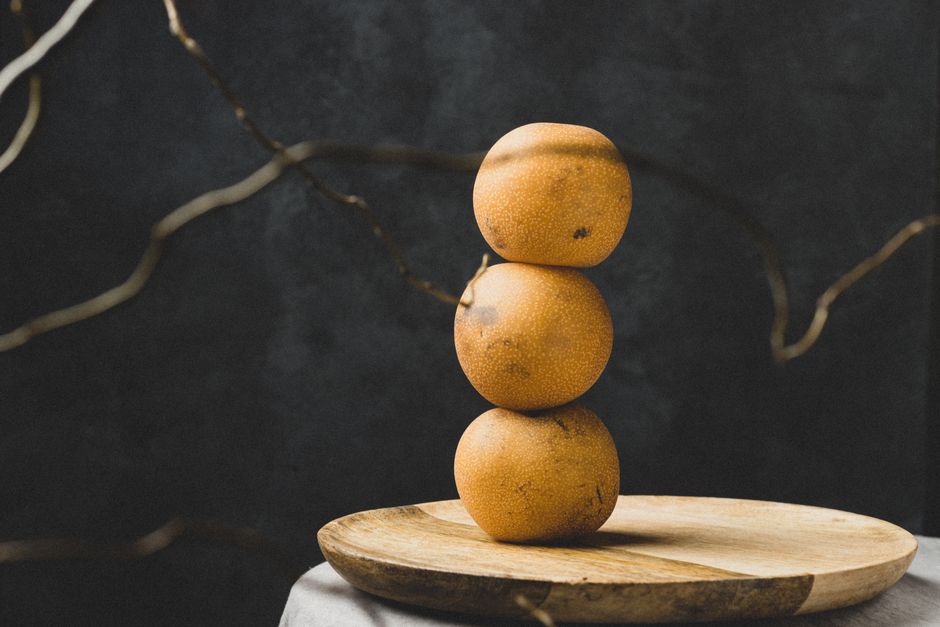
Yes, jicama is a fruit. Botanically, it is the root of a legume plant, but the part people eat is a bulbous root vegetable. That sounds like a contradiction, so let’s untangle it. The plant that produces jicama is a vine in the bean family. It flowers and makes seed pods. The edible jicama is the swollen root of that vine. In cooking, we treat it like a vegetable because it is savory, starchy, and used in salads and stir-fries. In botany, it is still a root. So the honest answer is that jicama is a root vegetable from a fruit-bearing plant, and most people call it a vegetable on the plate.
Is Jicama A Fruit Or A Vegetable?
Jicama is a vegetable in the kitchen and a root in the ground. It is not a fruit in the way an apple or a tomato is a fruit. The confusion comes from a simple mix-up between two different ways of classifying plants.
Botanists classify a fruit as the part of a flowering plant that develops from the ovary and contains seeds. A vegetable is a looser culinary term for any edible plant part that is not sweet and is used in savory dishes. By that split, jicama is a root, which makes it a vegetable on your plate.
Here is the part that trips people up. Jicama comes from a plant that does make fruit. The vine produces pods with seeds inside. Those pods are the botanical fruit. The jicama we buy in stores is the root of that same plant. So the plant has a fruit, but the food we call jicama is not that fruit.
This is the same reason a carrot is a vegetable even though the carrot plant flowers and makes seeds. We eat the root, not the fruit.
What Plant Does Jicama Come From?
Jicama comes from a climbing vine with the scientific name Pachyrhizus erosus. It is a member of the legume family, the same broad group that includes beans and peas. The vine grows above ground and sends down a large, round root that can weigh several pounds.
The plant is native to Mexico and Central America. It has been grown and eaten there for a very long time. Today it is also cultivated in parts of Asia, including the Philippines and China, where it goes by names like singkamas or yacon in some regions.
The root has a thin, papery brown skin that peels off easily. Underneath is crisp white flesh with a texture similar to a water chestnut or a raw potato, but juicier. The flavor is mild and slightly sweet, which is one reason it works in both savory dishes and fruit-style snacks.
One important safety point belongs here. The seeds and the above-ground parts of the jicama plant are not edible. They contain compounds that are toxic to humans. Only the root is eaten. This is worth knowing if you ever grow jicama at home.
Why Do People Think Jicama Is A Fruit?
People call jicama a fruit for a few understandable reasons. The first is that it is often eaten raw and sliced, the way fruit is. In Mexico, street vendors sell jicama sticks with lime juice and chili powder, a snack that looks and feels like a fruit treat.
The second reason is a language issue. In some Spanish-speaking regions, jicama is grouped with fruits in markets because of how it is sold and eaten. That habit carries over into how English speakers describe it.
The third reason is a genuine botanical fact that gets misapplied. Jicama’s plant does produce a fruit pod. Someone reads that, assumes the edible part is the fruit, and the idea spreads. The edible part is the root, not the pod.
None of this makes jicama a fruit. It makes jicama a root vegetable that behaves a lot like a fruit in the kitchen.
What Does Jicama Taste Like And How Is It Used?
Jicama tastes mild and slightly sweet, with a crisp, watery crunch. It does not have a strong flavor of its own, which makes it flexible. It takes on the taste of whatever you pair it with.
Common uses include:
- Raw sticks with lime and chili, a popular snack
- Sliced into salads for crunch, often in place of water chestnuts
- Matchsticks in stir-fries, where it stays firm when cooked briefly
- Thin slices used as a lower-carb stand-in for chips or tortillas in some recipes
- Diced into salsas and slaws
The flesh browns slowly after cutting, so it holds up well in packed lunches compared with apples or avocados. That durability is part of why it shows up in meal prep and party platters.
One clarification worth making. Jicama is not a potato and not a turnip, even though it is a root. It is much lower in starch than a potato and stays crunchy when raw. Cooking changes the texture but does not turn it soft and fluffy the way a baked potato does.
Is Jicama Nutritious?
Jicama is mostly water and provides fiber with relatively few calories. It is not a superfood, and no single vegetable is. It is a reasonable addition to a varied diet.
The root contains inulin, a type of fiber that the human body does not fully digest. Inulin is a prebiotic, meaning it feeds certain gut bacteria. Some studies suggest prebiotic fibers support digestive health, though the evidence for specific health outcomes is mixed and does not support treating jicama as a medicine.
Jicama also provides vitamin C and some potassium. The amounts vary by growing conditions and portion size, so precise figures are best taken from current USDA nutrient data rather than repeated from memory.
People managing blood sugar sometimes choose jicama because it is lower in starch than potatoes. That is a reasonable swap, but it is not a treatment for diabetes. Anyone adjusting diet for a medical condition should work with a clinician or dietitian.
A note of caution on inulin. Eating a large amount of jicama at once can cause gas and bloating in some people, especially those not used to high-fiber foods. Start with a modest portion if you are new to it.
Is Jicama Safe To Eat?
The root is safe to eat for most people when prepared properly. The skin is usually peeled before eating, and the flesh can be eaten raw or cooked.
The parts to avoid are the seeds and the above-ground vine. They are not food. Keep them away from children and pets, and do not assume that because the root is edible, the rest of the plant is too.
People with certain digestive conditions, such as irritable bowel syndrome, may find that high-fiber foods like jicama trigger symptoms. This varies from person to person. If you have a condition that affects how you tolerate fiber, talk to your doctor or dietitian before adding much of it.
There is no established clinical guidance that makes jicama risky for most healthy adults. As with any food, individual reactions are possible, and unusual symptoms after eating should be discussed with a clinician.
How Should You Store And Prepare Jicama?
Whole jicama keeps well. Store it in a cool, dry place away from direct sunlight, and it can last for weeks. Once cut, wrap the unused portion and refrigerate it. It stays crisp for several days.
To prepare it, cut off the ends, then peel the papery skin with a knife or peeler. The flesh underneath should be white and firm. If it looks soft, mushy, or has dark spots, trim those areas or discard the root.
Cut it into sticks or slices just before serving for the best texture. A squeeze of lime helps slow browning and adds flavor. Jicama can be eaten raw, steamed, boiled, or stir-fried, though it is most often enjoyed raw for its crunch.
Frequently Asked Questions
Is jicama a fruit or a vegetable?
Jicama is a root vegetable. It comes from a plant that also produces a fruit pod, but the part people eat is the root, not the fruit.
Can you eat jicama raw?
Yes, jicama is commonly eaten raw after the skin is peeled. It has a crisp texture and mild, slightly sweet flavor that works well in salads and snacks.
Are jicama leaves and seeds safe to eat?
No, the seeds and above-ground parts of the jicama plant are not edible and contain toxic compounds. Only the root should be eaten.
Is jicama good for diabetics?
Jicama is lower in starch than potatoes, which makes it a reasonable swap for some people managing blood sugar. It is not a treatment for diabetes, and diet changes for a medical condition should be discussed with a clinician.
