
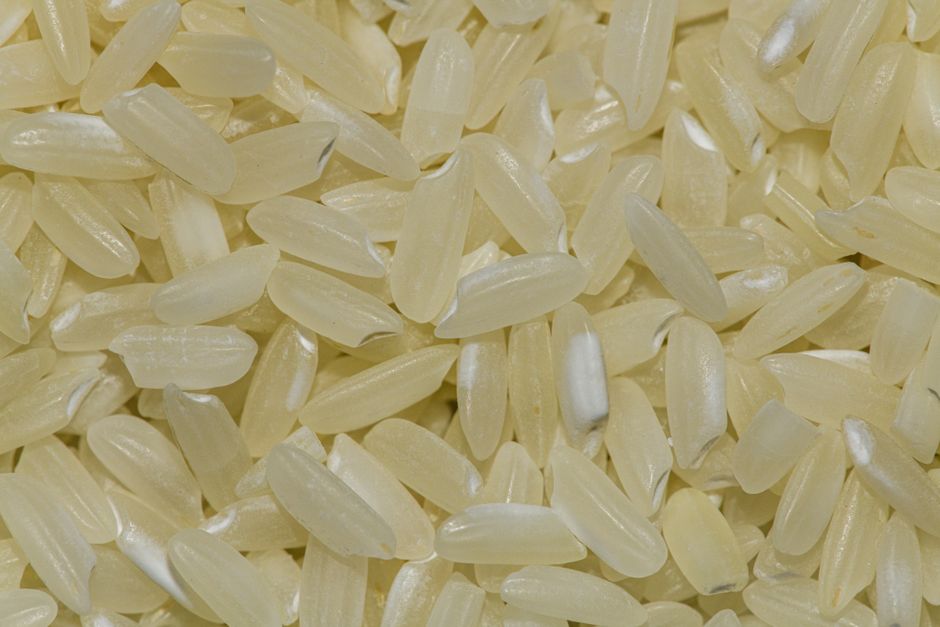
Jasmine rice is white rice. Most jasmine rice sold in stores is a type of long-grain white rice. The name refers to the specific variety of rice, not the color. While brown jasmine rice exists, the standard product you find on shelves is milled white rice.
What Makes Jasmine Rice Different From Other White Rice?
All white rice starts as brown rice. The outer bran layer and germ are removed through milling. This process gives white rice its pale color and softer texture. Jasmine rice goes through this same process.
The difference is the grain variety. Jasmine rice comes from a specific strain grown mainly in Thailand. It has a naturally fragrant aroma that some describe as popcorn-like or pandan-like. This scent comes from a compound called 2-acetyl-1-pyrroline.
When cooked, jasmine rice is slightly stickier than standard long-grain white rice like basmati. It has a softer, more tender texture. But nutritionally, it behaves like other white rice varieties.
Is Brown Jasmine Rice the Same as White Jasmine Rice?
Brown jasmine rice is the same grain before milling. The bran layer stays intact. This makes it tan or light brown in color. It takes longer to cook and has a chewier texture.
Brown jasmine rice contains more fiber, vitamins, and minerals than white jasmine rice. The milling process removes the bran and germ, which strips away much of the fiber and nutrients. White rice is then often enriched to add back some B vitamins and iron.
Both versions come from the same plant. The color difference comes entirely from processing, not genetics.
How Does White Jasmine Rice Affect Blood Sugar?
White jasmine rice has a high glycemic index. This means it raises blood sugar quickly after eating. The milling process removes fiber, which normally slows digestion. Without that fiber, the carbohydrates break down fast.
Studies consistently show that white rice consumption is linked to higher type 2 diabetes risk when eaten in large amounts regularly. This association is strongest in populations that eat white rice as a staple food at every meal.
Brown jasmine rice has a lower glycemic response. The intact bran slows sugar absorption. Swapping white jasmine for brown jasmine is one practical change for blood sugar management. Portion size matters too. A typical serving of cooked rice is about one cup, which contains roughly 45 grams of carbohydrates.





What Nutrients Are in White Jasmine Rice?
White jasmine rice is mostly starch. A one-cup serving of cooked white rice contains about 205 calories. It provides small amounts of protein and almost no fat. The fiber content drops to under one gram per serving after milling.
Enriched white rice has added iron, thiamine, niacin, and folic acid. These nutrients are sprayed onto the rice after milling. Rinsing rice before cooking can wash away some of these added nutrients. Cooking methods that use excess water and drain it can also reduce enriched nutrient content.
Brown jasmine rice naturally contains more magnesium, phosphorus, and B vitamins. The bran layer holds these nutrients. If you eat white rice regularly, getting these nutrients from other foods becomes more important.
Is Jasmine Rice Healthier Than Other White Rice?
No significant evidence shows that jasmine rice is nutritionally superior to other white rice varieties. The calorie and carbohydrate content are similar across white rice types. Basmati rice has a slightly lower glycemic index than jasmine, but both are still considered high-glycemic foods.
The aroma and texture differences do not translate to meaningful nutritional advantages. Some people prefer jasmine for its fragrance. Others prefer firmer grains like basmati. These are preference choices, not health decisions.
What matters more than variety is how much rice you eat and what you eat with it. Pairing white rice with protein, vegetables, and healthy fats slows digestion and blunts blood sugar spikes. Eating rice alone in large portions is the pattern most associated with metabolic concerns.
How Should You Cook White Jasmine Rice?
Standard white jasmine rice uses a 1:1.5 ratio of rice to water. That means one cup of dry rice needs one and a half cups of water. Bring the water to a boil, add the rice, cover, and simmer on low for about 15 minutes. Let it rest for 5 minutes before fluffing with a fork.
Rinsing the rice first removes excess surface starch. This produces fluffier grains that clump less. Some people skip rinsing because they want the stickier texture that jasmine rice naturally has.
Brown jasmine rice requires more water and time. Use a 1:2 ratio of rice to water and cook for 35 to 40 minutes. The grains stay firmer and take longer to soften.
Frequently Asked Questions
Is jasmine rice the same as regular white rice?
Jasmine rice is a specific variety of long-grain white rice. It differs from standard white rice in aroma and texture but has similar nutritional content.
Can you eat jasmine rice on a low-carb diet?
White jasmine rice is high in carbohydrates at about 45 grams per cooked cup. It is not compatible with strict low-carb diets, though smaller portions may fit into moderate plans.
Does rinsing jasmine rice remove nutrients?
Rinsing removes surface starch and some enriched vitamins that are sprayed on during processing. Brown jasmine rice retains its natural nutrients and is less affected by rinsing.
Is brown jasmine rice better for you than white jasmine rice?
Brown jasmine rice contains more fiber, magnesium, and B vitamins because the bran layer remains intact. It also produces a smaller blood sugar spike than white jasmine rice.
