
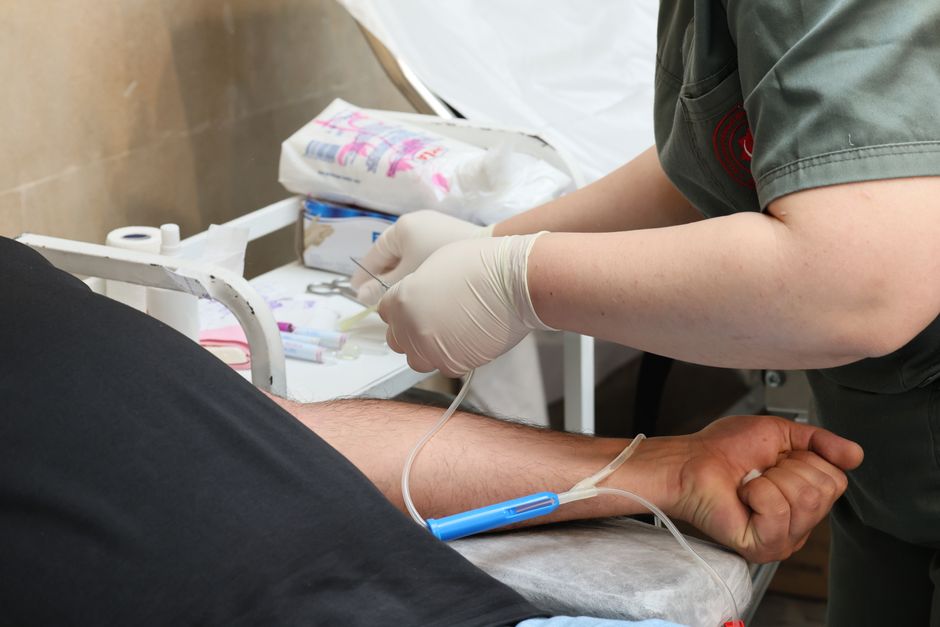
IV insertion is not a sterile procedure. It is an aseptic procedure. That distinction matters, and it is one of the most commonly misunderstood points in clinical care. Sterile technique means eliminating all microorganisms from surfaces and equipment, and it is reserved for things like surgery and central line placement. Aseptic technique means reducing contamination to a safe level, and that is what happens when a nurse or phlebotomist places a standard peripheral IV.
The confusion is understandable. You see gloves, an alcohol wipe, a fresh needle, and a sterile dressing, and it looks sterile. But the procedure itself operates under a different standard with a different set of rules. Understanding why can help you ask better questions about your own care.
Is IV Insertion a Sterile Procedure or Aseptic?
Peripheral IV insertion is an aseptic procedure, not a sterile one. The word “aseptic” means free from harmful contamination, not free from all microorganisms. Sterile means the complete absence of all living microorganisms, including spores.
The difference comes down to where the catheter goes. A peripheral IV sits in a superficial vein, usually in the hand or forearm. The body’s immune system and skin barrier handle small numbers of skin flora well in that location. A central line goes into a large vein near the heart, where an infection can become life-threatening quickly. That is why central line placement requires full sterile technique with a cap, mask, sterile gown, sterile gloves, and a large sterile drape.
Peripheral IV insertion requires clean gloves, an antiseptic skin prep, and a sterile catheter and dressing. The operator does not wear a sterile gown or full sterile drape. The site is not maintained as a sterile field. That is the accepted standard of practice, and it is not a shortcut. It reflects the actual infection risk of the procedure.
What “aseptic” actually requires
Aseptic technique for IV insertion includes several steps that are not optional:
- Hand hygiene before and after the procedure
- Clean gloves, not necessarily sterile gloves, for a routine peripheral IV
- Skin antisepsis with an approved agent such as chlorhexidine-based solution or alcohol, applied and allowed to dry
- A sterile catheter, sterile dressing, and sterile connection devices
- Avoiding touching the catheter tip or the insertion site after prep
The drying step is one that gets rushed in busy settings. Antiseptic solutions need time to work. Wiping and immediately inserting reduces effectiveness. Most clinical guidance specifies letting the skin dry completely before puncture.
Why Isn’t IV Insertion Considered Sterile?
Because the procedure cannot realistically maintain a sterile field in a normal patient care setting, and it does not need to. Sterile technique is defined by strict conditions: sterile gloves, sterile gown, sterile drapes, a sterile field, and a mask and cap for the operator. Those conditions are designed for procedures where contamination carries high risk, such as surgery or placing a central venous catheter.
A peripheral IV is placed at the bedside, in an emergency department, in an infusion center, or in a patient’s home. Maintaining a true sterile field in those environments is impractical and unnecessary for the risk level involved.
The skin itself is the key factor. Human skin is colonized by billions of microorganisms. You cannot sterilize skin without damaging it. Antisepsis reduces the number of organisms on the surface, but it does not eliminate them. Even with perfect prep, some skin flora remain. For a peripheral catheter, that residual burden is generally manageable.
Here is a point that surprises many people: the catheter itself is sterile, but the moment it enters the skin it passes through a non-sterile environment. That is true even in the operating room. The distinction between sterile and aseptic is not about whether contamination occurs. It is about how much and where.
What Is the Difference Between Sterile and Aseptic Technique?
Sterile technique aims for zero microorganisms. Aseptic technique aims to minimize them to a level that will not cause infection. Both are infection control strategies, but they apply to different procedures and carry different requirements.
| Feature | Sterile Technique | Aseptic Technique |
|---|---|---|
| Goal | Complete absence of microorganisms | Reduction of microorganisms to a safe level |
| Operator attire | Sterile gown, sterile gloves, cap, mask | Clean gloves, sometimes mask |
| Draping | Full sterile drapes creating a sterile field | No sterile field required |
| Typical procedures | Surgery, central line placement, lumbar puncture | Peripheral IV insertion, routine wound care, urinary catheterization |
| Skin preparation | Full antiseptic prep with sterile drape | Antiseptic prep, allowed to dry |
Some procedures fall in between. Urinary catheter insertion is generally described as aseptic, though some guidelines use stricter language for certain catheter types. The line between the two categories is not always sharp, and different institutions may apply slightly different protocols.
Does Aseptic Technique Prevent IV Infections?
Aseptic technique is a core part of IV infection prevention, but it is not the only factor. Research consistently shows that proper hand hygiene, skin antisepsis, and catheter care reduce the risk of catheter-related bloodstream infections. The evidence for each individual step varies in strength.
Skin antisepsis is one of the better-supported measures. Chlorhexidine-based solutions have been studied more than most alternatives for reducing insertion-site colonization and related infections. Alcohol alone is also used and is effective, though it does not have the same residual activity after it dries.
Other factors that influence infection risk include:
- How long the catheter stays in place
- Whether the site is monitored daily for redness, swelling, or tenderness
- Whether the dressing stays intact and dry
- How many insertion attempts are made
- The patient’s own immune status and skin condition
Peripheral IV infections are less common than central line infections, which is part of why the technique requirements are less intensive. But they do happen, and they are not trivial. Phlebitis, a vein inflammation that can follow IV insertion, is more common than true bloodstream infection and is often related to catheter dwell time and the type of fluid being infused.
When Is Full Sterile Technique Required for Vascular Access?
Sterile technique is required for central venous catheters, peripherally inserted central catheters (PICC lines), and arterial lines. These devices reach deep vessels or remain in place for extended periods, and the consequences of contamination are more serious.
For central line placement, clinical guidelines describe a bundle of sterile precautions sometimes called maximal sterile barrier precautions. This includes a cap, mask, sterile gown, sterile gloves, and a large sterile full-body drape. Studies have found that using this full bundle reduces central line-associated bloodstream infections compared with less strict precautions.
PICC lines are placed in a peripheral vein but threaded into a large central vein near the heart. They are treated with sterile technique during insertion because the tip sits in the central circulation. The same logic applies to midline catheters in some protocols, though practice varies by institution.
For a routine peripheral IV, full sterile technique is not standard and is not recommended by major clinical guidance. Using sterile gowns and drapes for every peripheral IV would add cost and time without evidence of meaningful benefit for most patients.
What Should You Expect During IV Insertion?
You should expect to see the person placing your IV wash their hands or use hand sanitizer, put on clean gloves, clean your skin with an antiseptic wipe, and let it dry before inserting the needle. If any of those steps are skipped, it is reasonable to ask about it.
The skin prep may sting or feel cold. The insertion itself feels like a brief pinch or sting. Once the catheter is in, a sterile transparent dressing is applied so the site can be checked without removing the covering.
After insertion, watch for signs that something may be wrong. Redness spreading from the site, swelling, warmth, pain that worsens, or a red line running up the arm are reasons to tell your nurse or doctor promptly. These signs do not always mean infection, but they warrant a check.
You can also ask how long the IV is expected to stay in. Peripheral IVs are typically replaced or removed when they are no longer needed, and many hospitals review them daily. Longer dwell times are associated with higher rates of phlebitis and colonization.
Frequently Asked Questions
Is IV insertion a sterile procedure?
No, routine peripheral IV insertion is an aseptic procedure, not a sterile one. Sterile technique is reserved for procedures like central line placement where the infection risk is higher.
Why do nurses wear gloves for IV insertion if it isn’t sterile?
Gloves protect both the patient and the clinician from contact with blood and other body fluids. Clean gloves are standard for peripheral IV insertion; sterile gloves are not required.
Can you get an infection from a peripheral IV?
Yes, though it is less common than with central lines. Phlebitis and localized site infections can occur, and proper aseptic technique, site monitoring, and timely removal reduce the risk.
What is the difference between sterile and aseptic technique?
Sterile technique aims to eliminate all microorganisms, while aseptic technique aims to reduce them to a level that will not cause infection. Sterile technique requires a sterile field, sterile gown, and full barrier precautions.
