
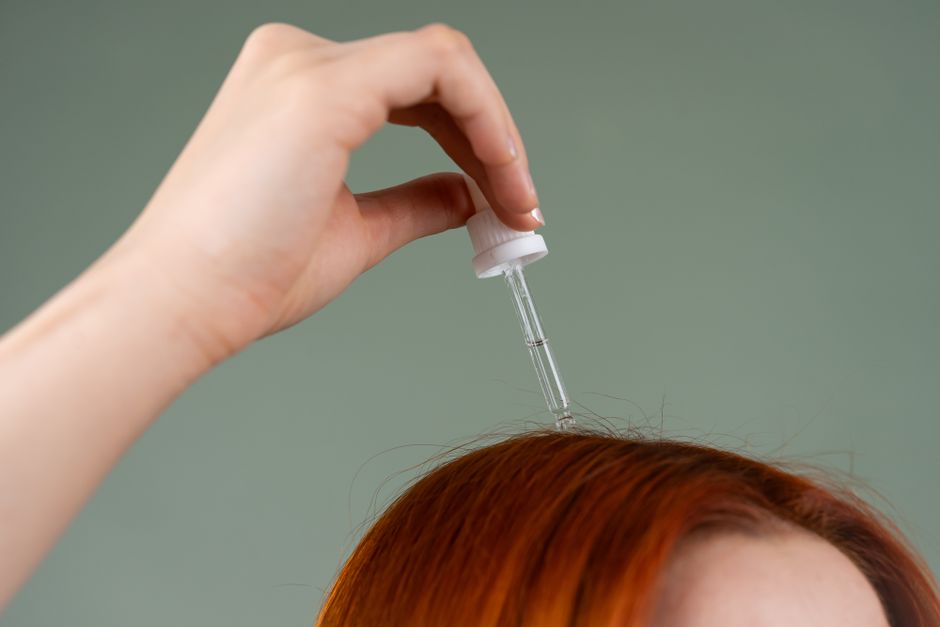
An itchy scalp by itself is not a sign of hair loss. Most people who scratch their heads still have plenty of hair, and most hair loss happens without any itch at all. The two problems sometimes travel together, but that is because a shared condition can cause both — not because itching damages hair or predicts balding.
So the short answer is no. Itch is a symptom of scalp irritation or inflammation. Hair loss is a separate process with its own causes. When they do appear at the same time, the itch is usually a clue about what is irritating the scalp, not a warning that hair is about to fall out.
Why an Itchy Scalp Usually Has Nothing to Do With Hair Loss
Itch comes from nerve endings in the skin. When something irritates the scalp — dryness, a reaction to a product, a buildup of oil and dead skin, or an inflammatory skin condition — those nerves fire and you feel the urge to scratch. Hair loss works through a different set of mechanisms: genetics, hormones, immune attack on the hair follicle, or physical damage to the follicle itself.
These two systems can overlap, but they are not the same. You can have a fiercely itchy scalp and a full head of hair. You can also lose hair steadily with no itch whatsoever. The most common form of hair loss, androgenetic alopecia (often called male or female pattern hair loss), typically causes no itching, no redness, and no scaling. It is a gradual thinning driven largely by genetics and hormones.
This is the part many people find surprising. The sensation of itch is not a signal that follicles are dying. Scratching does not pull hair out at the root in any meaningful way. Ordinary scratching breaks hairs at the shaft, which can cause temporary breakage, but it does not shut down the follicle or trigger permanent loss.
When Can an Itchy Scalp and Hair Loss Be Connected?
They are connected when a single condition causes both scalp inflammation and hair shedding. In those cases, the itch and the hair loss share a cause rather than one causing the other. Several conditions can do this.
- Seborrheic dermatitis — a common inflammatory condition that causes flaking, redness, and itching, often along the hairline and on oily areas of the scalp. It is linked to an overgrowth of Malassezia yeast that normally lives on the skin. It can be associated with temporary shedding, though it is not a primary cause of permanent hair loss.
- Scalp psoriasis — an autoimmune condition that produces thick, silvery scales and itching. When it is severe and long-standing, the inflammation can affect hair growth, and picking at scales can break hairs.
- Fungal scalp infection (tinea capitis) — more common in children than adults. It can cause itching, scaling, and patches of hair loss. This one genuinely can cause hair loss and needs medical treatment.
- Contact dermatitis — a reaction to a hair dye, shampoo, or styling product. It causes itching and irritation, and the inflammation can lead to some shedding.
- Folliculitis — inflamed hair follicles, often from infection or irritation, which can cause itchy bumps and localized hair loss.
Notice the pattern. In each case, the itch is a symptom of the underlying condition, and the hair loss — when it happens — comes from the same condition. The itch is not the cause. Treating the itch alone with a soothing shampoo does not fix the hair loss if the underlying condition is still active.
Can Scratching Your Head Cause Hair Loss?
Normal scratching does not cause permanent hair loss. The hair follicle sits deep in the skin, below the surface where your fingernails reach. Scratching can break hair shafts and cause split ends, and vigorous or habitual scratching can irritate the scalp further, but it does not destroy the follicle.
The exception is chronic, forceful scratching or picking — sometimes linked to a skin-picking disorder. Repeated trauma over time can damage the scalp and, in rare cases, lead to scarring that permanently affects hair growth. This is not typical everyday itching. It is a persistent behavior that a doctor or dermatologist should evaluate.
There is also a condition called trichotillomania, where a person repeatedly pulls out their own hair. This is not the same as scratching an itch, and it is a recognized psychological condition that can be treated.





What Actually Causes Hair Loss?
Since itch is rarely the driver, it helps to know what does cause hair loss. The most common causes fall into a few categories.
Androgenetic alopecia is the leading cause of hair loss in both men and women. It is driven by genetics and the effect of hormones on susceptible hair follicles. It typically causes gradual thinning at the crown or temples in men and widening of the part in women, with no itching or scaling.
Telogen effluvium is a temporary shedding triggered by stress on the body — illness, major surgery, severe emotional stress, rapid weight loss, or childbirth. It usually appears a few months after the trigger and often resolves on its own over time. It does not typically itch.
Alopecia areata is an autoimmune condition that causes sudden, smooth, round patches of hair loss. It can occasionally be associated with scalp itching or tingling before patches appear, but itching is not the main feature.
Other causes include thyroid disorders, iron deficiency, certain medications, and nutritional deficiencies. Many of these are identified through blood tests. If you are losing hair and do not know why, a doctor can help sort out which category you fall into.
How Do You Tell What’s Going On?
The pattern of your symptoms usually points the way. If your scalp itches and flakes but your hair is not thinning, you are most likely dealing with a scalp condition like seborrheic dermatitis or product irritation, not hair loss.
If your hair is thinning without itching, the cause is more likely hormonal, genetic, or related to a stress trigger on the body. If you have both itching and visible hair loss in the same area, that is the situation where a single condition may be causing both, and it is worth getting checked.
Signs that warrant a medical visit include:
- Patches of hair loss, especially smooth round ones
- Scalp pain, burning, or severe itching that does not improve
- Redness, swelling, or pus
- Scaling that spreads or does not respond to over-the-counter shampoos
- Hair loss that is rapid, widespread, or ongoing
A doctor or dermatologist can examine the scalp, sometimes with a magnifying tool, and may order blood tests to check for thyroid problems, iron deficiency, or other causes.
Does Treating an Itchy Scalp Stop Hair Loss?
Treating the scalp condition helps the itch and, in some cases, helps hair regrow if the same condition was affecting hair growth. For example, treating a fungal infection with the appropriate medication can allow hair to regrow. Managing seborrheic dermatitis can reduce inflammation that may have been contributing to shedding.
But treating an itchy scalp will not reverse pattern hair loss, because pattern hair loss is not caused by scalp irritation. Those are separate problems that need separate approaches. This is why it matters to know which one you are dealing with.
If you have both an itchy scalp and hair loss, the honest position is that you need to identify the underlying cause rather than assume one is causing the other. A dermatologist can help distinguish between them.
What Helps an Itchy Scalp?
For mild, everyday itch without hair loss, a few general measures are reasonable. These are widely recommended, though the evidence for any single home remedy varies.
- Wash your hair regularly with a gentle shampoo to reduce oil and product buildup
- Avoid harsh dyes, strong fragrances, and products that have irritated your scalp before
- Try an over-the-counter anti-dandruff shampoo containing ingredients like zinc pyrithione, ketoconazole, or salicylic acid if flaking is present
- Avoid scratching forcefully, which can worsen irritation
If these do not help, or if you also have hair loss, see a doctor. Some scalp conditions require prescription treatment, and self-treating the wrong problem wastes time.
What This Means for You
An itchy scalp is not a sign that you are going bald. It is a sign that something is irritating or inflaming your scalp. In most cases, that something is treatable and has nothing to do with your hair follicles.
The key is to look at the whole picture. Is your hair actually thinning, or does your scalp just itch? Are the two happening in the same place? If you are not sure, that is exactly when a professional opinion is worth getting. Guessing at the cause can lead you to treat the wrong thing.
Frequently Asked Questions
Is an itchy scalp an early sign of balding?
No. An itchy scalp is not a recognized early sign of pattern baldness, which usually causes no itching. If you have both itching and hair loss, a shared scalp condition is the more likely link.
Can scratching my head make my hair fall out?
Normal scratching does not cause permanent hair loss because the follicle sits below where your nails reach. Chronic forceful scratching or picking can damage the scalp over time and should be evaluated by a doctor.
What causes an itchy scalp and hair loss at the same time?
Conditions that inflame the scalp, such as seborrheic dermatitis, scalp psoriasis, fungal infection, or contact dermatitis, can cause both itching and some hair shedding. A doctor can identify which one is present.
Should I see a doctor for an itchy scalp with hair loss?
Yes, it is worth a visit if you have both, especially if the hair loss is patchy, rapid, or ongoing. A doctor can examine your scalp and run tests to find the cause.
