
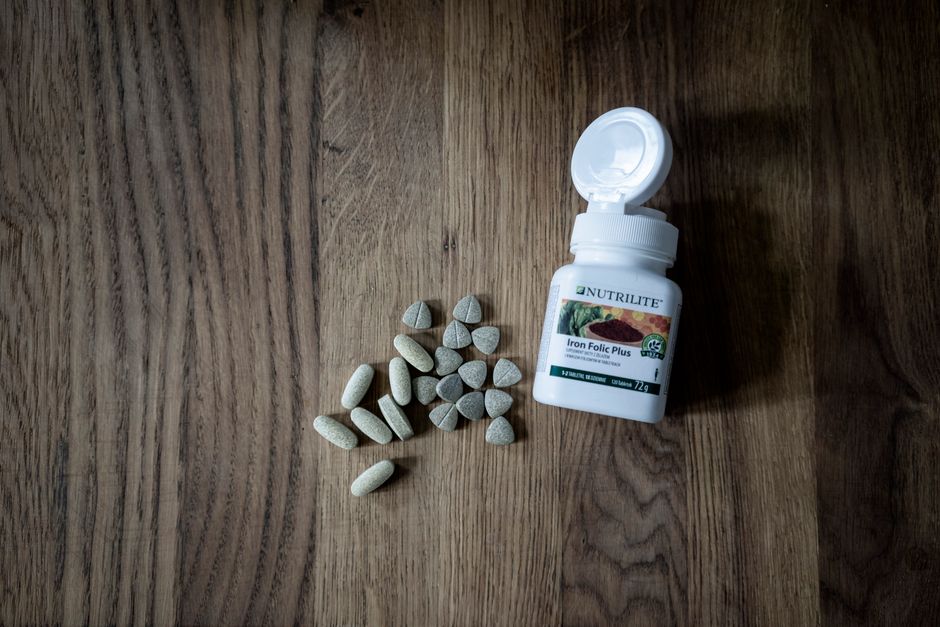
Iron supplements are safe for many people when taken at the right dose for a real deficiency. They are not safe to take casually. Iron is a mineral your body cannot easily get rid of, and too much of it can cause serious harm. The key facts: supplements help people with confirmed iron deficiency, they can cause unpleasant gut side effects in others, and they are dangerous in overdose, especially for young children.
Is It Safe To Take Iron Supplements For You?
For most adults with diagnosed iron deficiency, iron supplements are safe and effective when a clinician sets the dose. The word that matters is “diagnosed.”
Iron is not like vitamin C. Your body has no active way to remove excess iron. It regulates iron mainly by controlling how much it absorbs from food. When you swallow a supplement, you partly bypass that control. Over months or years, extra iron can build up in organs, particularly the liver and heart.
That is why iron is one of the supplements where self-prescribing carries real risk. A blood test can show whether you are actually low. Many people who feel tired assume they need iron. Fatigue has dozens of causes, and taking iron you do not need does not fix them.
There is a less obvious point worth knowing. Iron deficiency and iron deficiency anemia are not the same thing. You can have low iron stores without anemia. Treatment decisions depend on which one you have and why, which is a conversation for a clinician, not a label on a bottle.
Who Actually Needs Iron Supplements?
Iron supplements are genuinely needed by people with iron deficiency confirmed by blood tests. The most common groups include:
- People with heavy menstrual bleeding
- Pregnant women, whose iron needs rise substantially
- People with gastrointestinal conditions that impair iron absorption, such as celiac disease or inflammatory bowel disease
- People who have had gastric surgery or significant blood loss
- Some vegetarians and vegans, depending on diet and lab results
- People with chronic kidney disease, often under medical supervision
Pregnancy deserves special mention. Iron requirements increase during pregnancy, and iron deficiency anemia is linked to complications for both mother and baby. Clinicians commonly recommend iron during pregnancy, often as part of prenatal care. Follow your own clinician’s guidance rather than a general number, because recommendations vary by country and by individual risk.
For everyone else, the honest position is this: if your blood work is normal, iron supplements offer no proven benefit and carry avoidable risk.
What Are the Side Effects of Iron Supplements?
Gastrointestinal side effects are the most common problem, and they are the main reason people stop taking iron. Constipation is frequently reported. So are nausea, stomach pain, and dark or black stools.
The black stool is expected and harmless in itself. It comes from unabsorbed iron. The catch is that black stool is also a sign of bleeding in the upper gut, so it can be confusing. If you have other symptoms like dizziness or abdominal pain, tell a clinician rather than assuming it is the iron.
Dose form matters. Some people tolerate liquid or certain formulations better than standard tablets. Taking iron with food reduces stomach upset but also reduces absorption. Some clinicians suggest taking it every other day rather than daily, based on evidence that this can improve absorption and reduce side effects. This is an area where practice is still evolving, so ask your clinician what schedule fits you.
Can You Take Too Much Iron?
Yes, and the consequences can be serious. Iron overdose is a medical emergency.
In adults, acute overdose usually comes from accidentally taking far too many tablets. Symptoms include severe vomiting, abdominal pain, and lethargy, and they can progress to organ damage. This is a poisoning situation, not a wait-and-see one. Seek emergency care immediately.
Young children are at particular risk. Iron tablets look like candy, and a small number of adult-strength tablets can be dangerous or fatal to a child. This is well documented in poison control data. Keep iron supplements locked away and out of reach, and never leave an open bottle where a child can find it.
Long-term excess is a slower problem. People with a genetic condition called hemochromatosis absorb too much iron and can accumulate it over years. They generally should not take iron supplements unless a specialist says otherwise. The same caution applies to some other chronic conditions where iron can build up.
How Should Iron Supplements Be Taken Safely?
Safe use starts with a blood test and a clinician’s dose. After that, a few practical points genuinely matter.
Vitamin C helps your body absorb iron. Taking a supplement with a source of vitamin C, or with a meal containing it, can improve absorption. Calcium does the opposite. Dairy, calcium supplements, and antacids can block iron absorption, so separating them by a couple of hours is often advised.
Coffee and tea also reduce iron absorption because of compounds called tannins. If you take iron with your morning coffee, you may absorb less of it. This is a small but real effect worth knowing.
Do not double up on doses to make up for a missed one. And do not combine multiple iron products, including multivitamins that already contain iron. It is easy to lose track of total intake.
Finally, keep taking iron as directed even after you feel better. Rebuilding iron stores takes time, often months, and stopping early is a common reason deficiency returns. Your clinician will usually recheck your blood to confirm recovery.
Do Iron Supplements Interact With Medications?
Iron can interfere with how well some medications are absorbed. It binds to certain drugs in the gut and reduces how much reaches your bloodstream.
Well-known examples include thyroid medications and some antibiotics, including certain tetracyclines and fluoroquinolones. Iron can also affect the absorption of some other medicines. The general fix is timing: separate iron from these medications by a few hours. The exact gap varies by drug, so ask a pharmacist, who is often the fastest and most reliable source for this.
This is one of those areas where a simple question at the pharmacy counter can prevent a real problem. Do not assume that because iron is “natural” it cannot interact with your prescriptions.
Are Iron Supplements Safe During Pregnancy?
Iron is commonly recommended during pregnancy because needs rise and deficiency is common. This is one of the situations where supplementation is well accepted in clinical care.
But the dose and form should come from your own clinician, not a general rule. Some pregnant women need more, some need less, and some have conditions that change the picture. Prenatal vitamins often contain iron, so check labels to avoid stacking products.
For infants and young children, the situation is different and more delicate. No general dosing should be applied without pediatric guidance. Iron needs in children depend on age, diet, and growth, and excess iron is particularly dangerous in this group. Speak to a pediatric clinician before giving any iron supplement to a child.
What About Food Sources of Iron?
Food is the safest way to get iron for most people, because the body regulates absorption from food far better than from supplements. There are two forms: heme iron from meat, poultry, and fish, and non-heme iron from plants and fortified foods.
Heme iron is absorbed more efficiently. Non-heme iron is absorbed less well but is still valuable, especially when paired with vitamin C. Beans, lentils, spinach, fortified cereals, and tofu are common plant sources.
For people with mild low iron and no anemia, dietary changes plus a follow-up test are sometimes enough. For people with clear deficiency or anemia, food alone is often not sufficient, and supplements or medical treatment are needed. A clinician can tell you which situation you are in.
Frequently Asked Questions
Can I take iron supplements without a blood test?
It is not recommended, because iron can build up in the body and cause harm when you do not need it. A simple blood test can confirm whether you are actually low before you start.
What are the most common side effects of iron supplements?
Constipation, nausea, stomach pain, and dark stools are the most frequently reported. These are common reasons people stop taking iron, so tell your clinician if they bother you rather than quitting silently.
How much iron is too much?
There is no single safe number for everyone, because it depends on age, health, and why you are taking it. Follow the dose your clinician sets, and treat any accidental overdose as an emergency.
Can I take iron with coffee or tea?
Coffee and tea reduce iron absorption, so it is better to separate them from your supplement by a couple of hours. The effect is real but modest, and timing is an easy fix.
