
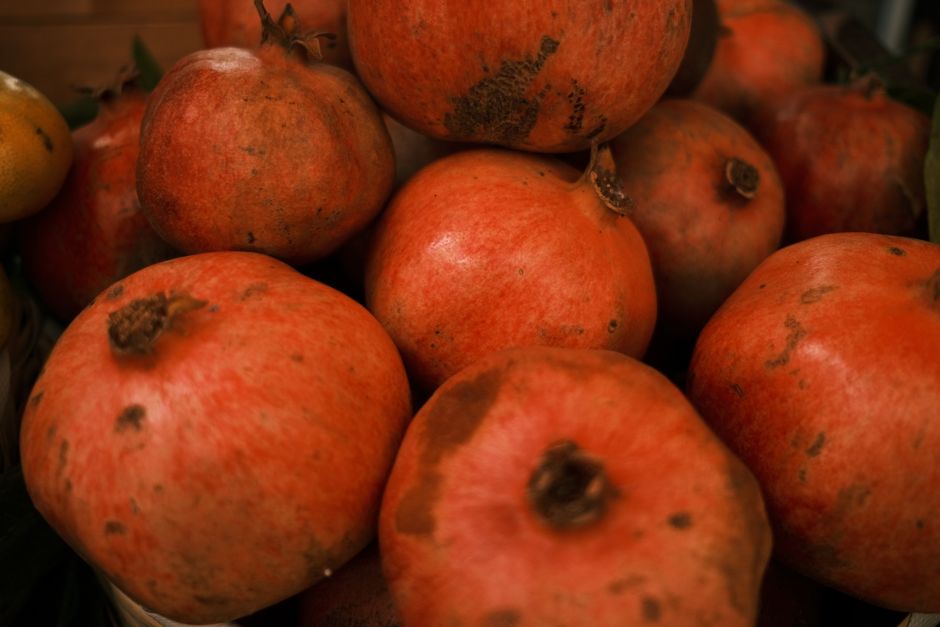
Yes, you can safely swallow pomegranate seeds. The crunchy little seeds inside a pomegranate are edible, and people have eaten them whole for thousands of years. Unless you have a specific digestive condition or a rare allergy, swallowing them is not dangerous.
That said, “safe” and “comfortable” are not always the same thing. Some people digest the seeds without a second thought. Others notice them passing through undigested. Here is what actually happens when you swallow them, and when you might want to chew instead.
Is It Safe To Swallow Pomegranate Seeds?
Swallowing pomegranate seeds is safe for most healthy adults and children old enough to chew solid food. The seeds are a normal part of the fruit, not a pit or a stone you need to avoid.
What you are swallowing is the whole aril — the juicy red sac plus the small white seed inside it. That inner seed has a tough outer coat made largely of fiber. Your digestive system does not break that coat down well, which is why you may see whole seeds in your stool a day or two later. Passing them intact is normal and not a sign that something is wrong.
The main thing to know is that the seed coat is hard. For most people that is harmless. For people with certain gut conditions, that hardness is the part worth thinking about.
What Happens To Pomegranate Seeds In Your Digestive System?
The soft, juicy outer layer gets digested quickly. Your stomach acid and enzymes break down the sugars, acids, and most of the nutrients in that red pulp.
The inner seed is a different story. Its fibrous coat resists breakdown by human digestive enzymes. So it travels through the stomach and small intestine mostly intact, then reaches the colon, where some gut bacteria can ferment parts of the fiber. What is left exits in your stool.
This is why swallowing versus chewing changes what you absorb. If you chew the seeds well, you break the coat and your body can access more of the nutrients inside. If you swallow them whole, you get the pulp but much of the inner seed passes through. Neither approach is unsafe — they just give you different amounts of what the seed contains.
Can Swallowing Pomegranate Seeds Cause Digestive Problems?
For most people, no. The seeds do not cause blockages in a normal, healthy digestive tract.
There are situations where the fiber and hard seed coats can be a problem. People with a history of bowel obstructions, narrowed intestines, or certain inflammatory bowel conditions may be advised to limit hard-to-digest seeds and nuts. If you have one of these conditions, ask your doctor whether pomegranate seeds are okay for you specifically.
Some people simply find that eating a lot of seeds at once causes bloating, gas, or loose stools. That is usually about the fiber load, not the seeds being harmful. Eating a large amount of any high-fiber food can do the same thing.
One genuinely non-obvious point: the concern with swallowing seeds is rarely the seed itself. It is almost always about how much you eat and what your gut is already dealing with.





Are Pomegranate Seeds Nutritious?
Yes. The seeds and their surrounding pulp contain fiber, vitamin C, vitamin K, and folate, along with polyphenols — plant compounds that have been studied for their antioxidant activity.
Pomegranate juice and seeds are often marketed for heart health and inflammation. Some research suggests pomegranate polyphenols may have antioxidant and anti-inflammatory effects, but the human evidence for specific health outcomes is limited and mixed. It is reasonable to think of pomegranate as a healthy fruit. It is not reasonable to think of it as a treatment for any disease.
If you want the fiber, chewing the seeds helps. The fiber is largely in the seed coat, so whole-swallowed seeds may deliver less of it.
Can You Eat The Whole Seed Or Just The Juice?
You can eat the entire aril — pulp and seed together. That is how most people eat a pomegranate. There is no need to spit the seeds out.
Some people prefer to chew and swallow. Others swallow the seeds whole because chewing the hard ones is unpleasant. Both are fine for most people.
The one part you should not eat is the white spongy membrane that holds the seeds in place. It is bitter and tough. It is not toxic, but it is not pleasant either. Spit it out and eat the seeds.
Who Should Be Careful With Pomegranate Seeds?
A few groups should take extra care.
- People with bowel narrowing or a history of obstruction: hard seeds and nuts are often limited in these cases. Follow your doctor’s advice.
- People with inflammatory bowel disease: some clinicians recommend limiting seeds and nuts during flare-ups, though the evidence on whether this helps is not strong.
- Young children: whole hard seeds can be a choking risk for toddlers. Cut or mash them for young kids.
- People taking certain medications: pomegranate can interact with some drugs, including certain blood thinners and statins. This is about the fruit and juice, not the seeds specifically, but it is worth knowing.
Pomegranate allergy is rare but real. If you notice itching, swelling, or trouble breathing after eating pomegranate, treat it as a medical issue and get help.
How Many Pomegranate Seeds Is Too Many?
There is no official recommended amount of pomegranate seeds. A typical pomegranate contains a few hundred seeds, and eating the seeds from one fruit in a sitting is normal for most adults.
If you are not used to much fiber, start smaller. A sudden large serving of any high-fiber food can cause gas, bloating, and cramping. Build up gradually if you want to eat pomegranate regularly.
For children, portion size should be smaller, and seeds should be cut or mashed for young kids to reduce choking risk. No clinical guidelines set a specific seed count for children.
Frequently Asked Questions
Is it safe to swallow pomegranate seeds whole?
Yes, it is safe for most healthy people. The hard seed coat passes through largely undigested, which is normal.
Do pomegranate seeds get digested?
The soft outer pulp is digested, but the inner seed coat mostly is not. That is why you may see whole seeds in your stool.
Can swallowing pomegranate seeds cause a blockage?
Not in a normal, healthy digestive tract. People with bowel narrowing or a history of obstruction may be advised to avoid hard seeds and should ask their doctor.
Should you chew pomegranate seeds or swallow them?
Either is fine. Chewing breaks the seed coat and lets you absorb more of the nutrients and fiber inside.
