
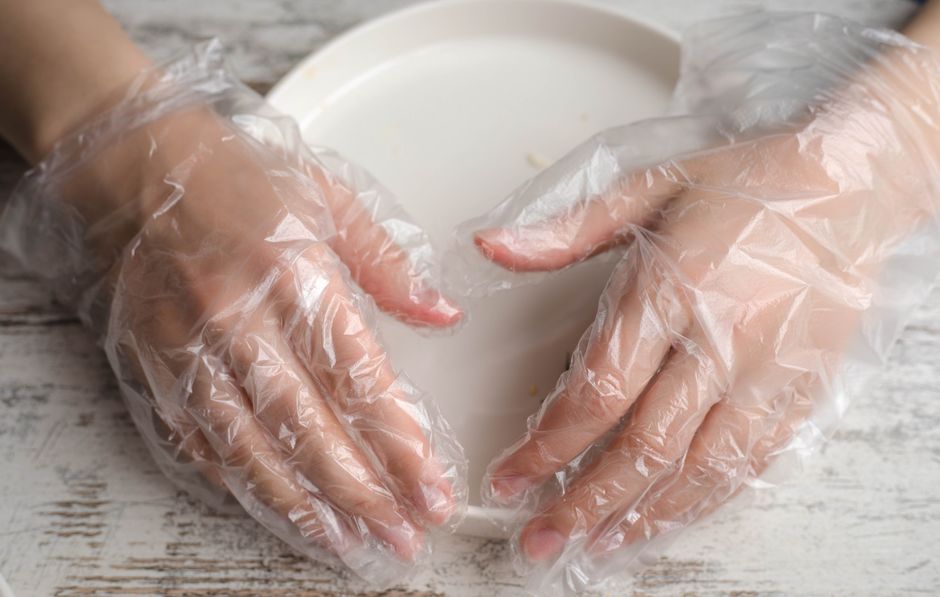
Putting hot food directly into plastic bags is not a good idea. Most plastic bags are not designed for heat, and the ones you get at the grocery store can melt, warp, or release chemicals when food is hot enough. Food safety agencies generally advise letting food cool before it touches ordinary plastic.
That answer comes with context, though. Not all plastics behave the same way, and the temperature of the food matters a lot. Here is what the evidence actually supports.
Is It Safe To Put Hot Food In Plastic Bags?
No, not for ordinary plastic bags. The thin polyethylene bags used for produce and takeout are made to hold things at room temperature or below. They are not made to handle heat.
When hot food goes into one of these bags, two things can happen. First, the plastic can soften. A thin bag can stretch, tear, or develop weak spots, which is a spill risk and a burn risk. Second, heat can cause chemicals from the plastic to migrate into the food.
That second point is the one that gets the most attention. The science here is real but needs careful framing. Plastic bags contain additives and residual compounds from manufacturing. Heat increases the rate at which molecules move, and that can increase the transfer of some of those compounds into food that touches the plastic. This is a well-established principle in food packaging science. What is less settled is exactly how much migrates from any given bag at any given temperature, and what that means for health over time.
So the honest position is this: the risk is not a dramatic acute poisoning scenario. It is a low-level exposure question, and the sensible move is to avoid unnecessary exposure when it is easy to do so.
What Happens To Plastic When It Gets Hot?
Plastic is not inert. It is a mixture of long-chain polymers plus a range of smaller molecules added to make it flexible, stable, or easy to process. Those smaller molecules are the ones that can move.
Heat does two things to plastic. It softens the material, and it increases molecular movement. In food packaging terms, warmer temperatures generally increase the migration of additives and residual chemicals into food. This is why food packaging is tested at specific temperatures and why some materials carry temperature limits.
The melting point varies widely by plastic type. Thin polyethylene bags soften at relatively low temperatures compared with rigid containers. That is part of why they are a poor choice for hot food — they were never engineered for it.
Does The Type Of Plastic Bag Matter?
Yes, considerably. The category “plastic bag” covers materials with very different heat tolerances and very different regulatory status.
- Grocery and produce bags. Thin, low-density polyethylene. Not designed for hot food. No temperature rating for food contact at heat.
- Takeout and delivery bags. Often similar material. Some are lined or thicker, but most are not rated for direct contact with hot food.
- Bags sold for food storage or freezing. These are made for food contact but typically rated for freezer and refrigerator use, not for hot liquids or hot food.
- Bags specifically labeled for hot food or cooking. These exist and are tested for it. If a product is sold for sous-vide or hot-fill use, it will say so on the package.
The key distinction is whether the manufacturer has tested and rated the bag for hot food contact. If the packaging does not say it is safe for hot food, treat it as not safe for hot food. That is the conservative and correct reading.
What About BPA And Other Chemicals In Plastic?
BPA (bisphenol A) is a chemical used in some polycarbonate plastics and in the linings of certain food cans. It is not typically used in thin polyethylene grocery bags. So when people worry about BPA specifically in a produce bag, that concern is somewhat misplaced — the material is different.
That does not make every bag inert. Plastic bags can contain other additives, and manufacturing can leave residual compounds. The general principle holds: heat increases migration, and the safest approach with any plastic not rated for heat is to keep hot food out of it.
Regulatory agencies have set migration limits for food-contact materials, and those limits are based on testing. The system is not perfect, and testing cannot anticipate every use. Using a bag outside its rated temperature is exactly the kind of use that testing does not cover.
What Temperature Is Too Hot For Plastic Bags?
There is no single universal number, because it depends on the plastic and the manufacturer’s testing. This is where people often want a clean threshold, and the honest answer is that one does not exist for the whole category.
What is well established is the direction of the relationship. The hotter the food and the longer the contact, the greater the potential for migration and the greater the chance the bag fails physically. Food that is hot enough to steam is hot enough to be a concern for an unrated bag.
A practical rule many food safety sources use: if the food is too hot to hold comfortably, it is too hot for an ordinary plastic bag. That is not a regulatory threshold. It is a reasonable heuristic.
What Should You Use Instead?
For hot food, the safest containers are the ones designed and rated for heat. Glass, stainless steel, and ceramic are the most straightforward choices. They do not migrate chemicals into food and they handle heat well.
If you need something portable, look for containers explicitly labeled as heat-safe or oven-safe, and check the temperature rating. Some rigid plastic containers are rated for hot food and are tested for it. The label is the thing to trust, not the look of the container.
For cooling food before storage, the sequence matters. Let hot food cool to a safe temperature before putting it in a plastic bag or container. Food safety guidance generally advises not leaving perishable food at room temperature for extended periods, so cooling should be reasonably prompt — but not so fast that you skip the step of getting it out of the hot zone before it touches plastic.
There is a tension here worth naming. You want food to cool quickly for safety, but you do not want hot food sitting in plastic. The resolution is to cool it in a heat-safe container first, then transfer it once it has cooled.
Does Reheating Food In Plastic Bags Matter?
Yes, and it is a bigger concern than the initial transfer. Reheating in plastic means sustained heat, often higher than the food was when it first went into the bag. That is exactly the condition under which migration increases most.
Most plastic bags are not microwave-safe, and even those labeled microwave-safe are usually rated for specific uses, not for sealing hot food inside a thin bag. If a bag does not carry a microwave-safe label, do not microwave food in it. If it does, follow the package directions exactly.
The Bottom Line
Ordinary plastic bags are not made for hot food. The physical risks — melting, tearing, spills — are real and immediate. The chemical migration risk is real too, though the size of the health effect from any single use is not well quantified.
The sensible approach is simple. Let hot food cool before it touches plastic. Use containers rated for heat when you need to handle hot food. And when a bag’s packaging does not say it is safe for hot food, believe it.
Frequently Asked Questions
Can you put hot food in a plastic grocery bag?
No. Grocery bags are not rated for hot food and can soften, tear, or release chemicals into the food. Let food cool first, or use a heat-rated container.
Is it safe to put hot food in a Ziploc bag?
Most food storage bags are rated for refrigerator and freezer use, not hot food. Check the package for a heat rating before using one with hot food.
What temperature melts a plastic bag?
It varies by plastic type, and thin polyethylene bags soften at relatively low temperatures. There is no single safe threshold, so treat any bag not labeled for hot food as unsuitable for hot food.
Can I microwave food in a plastic bag?
Only if the bag carries a microwave-safe label and you follow the package directions. Most plastic bags are not microwave-safe and should not be used to heat food.
