
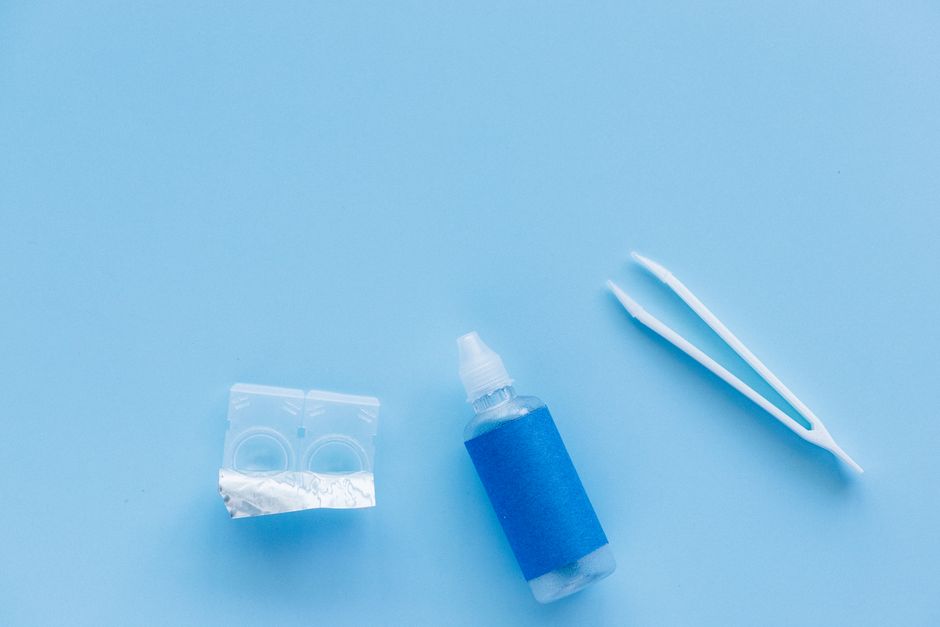
Putting contact lens solution in your eyes is not safe. These products are designed to clean, rinse, and store contact lenses — not to be used directly as eye drops. Using them this way can cause irritation, redness, and damage to the surface of your eye. The short answer is no: contact solution should never go directly into your eye.
What Happens When You Put Contact Solution in Your Eye?
Contact lens solutions contain preservatives and cleaning agents. These ingredients break down protein and debris on a lens. That is their job. But the surface of your eye is delicate. These same ingredients can sting, burn, and irritate the cornea — the clear front part of your eye.
Most people feel immediate discomfort. The eye turns red. Vision may blur for a few minutes. In most cases, these symptoms go away once you flush the eye with sterile saline or artificial tears. But repeated exposure can cause more serious problems.
Some solutions contain hydrogen peroxide. These are the “no rub” or “AO” style products. Hydrogen peroxide must be neutralized by a special disc or case before lenses go back in. Putting this liquid directly in your eye is genuinely dangerous. It can cause corneal burns and lasting damage.
Why People Try It
People usually reach for contact solution when they run out of eye drops. Dry eyes are uncomfortable. A bottle of liquid is right there. It looks like water. It seems harmless.
Another common scenario: a speck of dust or an eyelash gets in the eye. Someone grabs the nearest liquid to rinse it out. That liquid is often contact solution.
Neither situation justifies the risk. Artificial tears are inexpensive and available at any pharmacy. Sterile saline rinses are also cheap. These are the right tools for the job.
The Difference Between Saline and Contact Solution
Saline solution is simply salt water that has been sterilized. It matches the salt concentration of your tears. It is safe to rinse your eye with saline. It will not clean a contact lens, but it will not hurt your eye either.
Contact solution is different. It contains buffers, preservatives, and sometimes surfactants. These ingredients are necessary for lens care. They are not necessary — or safe — for direct eye contact.
Read the label on any contact solution bottle. You will see instructions for cleaning, rinsing, and storing lenses. You will not see instructions for putting drops directly in the eye. That is not an oversight. The product was never designed for that use.





What to Do If You Already Did It
If you put contact solution in your eye and it stings, do not panic. Flush the eye with sterile saline or artificial tears. If neither is available, clean running water from a faucet can work in an emergency.
Blink several times to spread your natural tears across the eye. This helps dilute the solution. Most irritation resolves within a few minutes.
Seek medical attention if you experience severe pain, vision changes that do not clear, or if the redness gets worse instead of better. Hydrogen peroxide solutions require immediate and thorough flushing. If you put a hydrogen peroxide-based solution in your eye, go to urgent care or an eye doctor right away.
Safer Alternatives for Dry or Irritated Eyes
Artificial tears are the standard choice for dry eyes. They come in single-use vials or bottles. Preservative-free versions are best if you use them frequently. They are safe, effective, and designed for direct eye contact.
Sterile saline rinses are a good option for flushing out debris. They do not treat dryness, but they are safe for washing the eye. Look for products labeled “sterile saline for eye irrigation.”
For people who wear contact lenses regularly, rewetting drops are worth knowing about. These are lubricating drops specifically formulated to be used while lenses are in the eyes. They are not the same as contact solution. They are safe to use with lenses in place.
Can Contact Solution Damage Your Eyes Long Term?
Occasional accidental exposure is unlikely to cause permanent damage. The eye is resilient. It produces tears that wash away irritants. A single incident of mild stinging usually resolves without lasting effects.
Repeated use is a different story. Chronic exposure to preservatives can disrupt the tear film. This can lead to chronic dryness, irritation, and discomfort. Over time, the cornea can develop surface damage that affects vision.
Hydrogen peroxide solutions carry the highest risk. These can cause corneal burns with a single exposure. The burns may be painful and can take days to heal. In severe cases, they can leave scarring that affects vision permanently.
What About Using Contact Solution as a Makeup Remover?
Some people use contact solution to remove eye makeup. This is also not safe. The same preservatives and cleaning agents that irritate the eye can irritate the delicate skin around it. The risk of getting the solution in your eye is high when you are wiping makeup off your lashes.
Use a dedicated eye makeup remover instead. These products are formulated for the sensitive eye area. They are tested for safety around the eyes. They do a better job of removing waterproof makeup anyway.
Is It Safe To Put Contact Solution In Your Eyes If It Is Preservative-Free?
Preservative-free contact solution is safer than the preserved kind. But it is still not designed for direct eye use. These solutions may contain surfactants and other cleaning agents that are not present in artificial tears.
The absence of preservatives removes one risk. The presence of cleaning agents keeps other risks in place. Preservative-free contact solution is not the same as artificial tears. Do not substitute one for the other.
What Eye Doctors Want You to Know
Eye care professionals see patients with contact solution injuries more often than you might think. Most cases are mild. The patient used solution as drops, felt burning, and came in for reassurance. The eye usually looks fine within a day.
But some cases are serious. Hydrogen peroxide exposures can be genuinely damaging. Patients may need prescription eye drops to promote healing and prevent infection. In rare cases, corneal scarring changes how the eye focuses light.
The message from eye doctors is consistent: keep contact solution for contact lenses. Use artificial tears for dry eyes. Use sterile saline for rinsing. Use rewetting drops for lenses in the eye. Each product has a specific purpose. None of them are interchangeable.
Frequently Asked Questions
Can contact solution damage your eyes?
Yes, it can cause irritation, redness, and burning. Hydrogen peroxide-based solutions can cause corneal burns that may lead to lasting damage.
What should I do if I accidentally put contact solution in my eye?
Flush your eye with sterile saline or artificial tears immediately. If you used a hydrogen peroxide solution, seek medical attention right away.
Is saline solution safe to put in your eyes?
Yes, sterile saline is safe for rinsing the eye. It matches the salt concentration of your tears and will not cause irritation.
Can I use contact solution as eye drops?
No, contact solution is not formulated for direct eye use. Use artificial tears or rewetting drops designed for eyes instead.
